The modern workplace is rapidly evolving. Smart office furniture is at the forefront of this change. According to a report by MarketsandMarkets, the smart office market is projected to grow from $26.2 billion in 2021 to $82.6 billion by 2026, indicating a significant shift in workplace dynamics.
What are the latest innovations in smart office furniture? These innovations include adjustable desks, ergonomic seating, and integrated technology. Companies like Steelcase and HNI Corporation are pioneering advances that not only promote better health but also enhance productivity. A survey from the Global Wellness Institute reveals that 88% of employees feel more productive in a workspace designed for their health and well-being.
Despite these advancements, challenges remain. Many organizations struggle with integrating smart solutions seamlessly into their existing setups. There is a need for ongoing adaptation and investment in training to maximize these innovations. As the line between home and office continues to blur, rethinking workplace strategies is essential for future success.
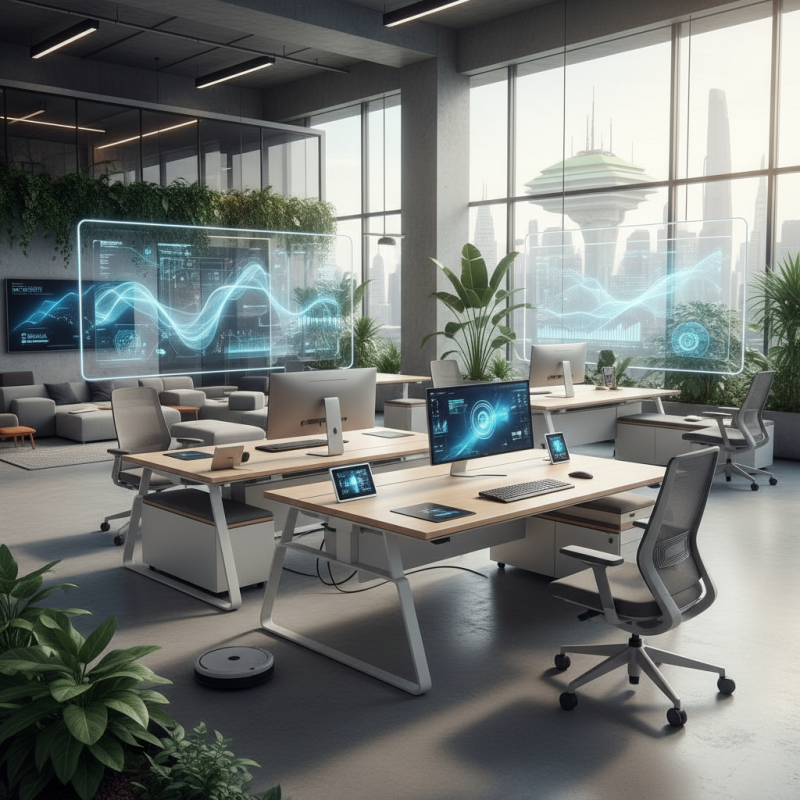
The evolution of smart office furniture is reshaping modern workspaces. Studies show that flexible work environments boost productivity by 20-30%. Ergonomic chairs and adjustable desks are essential for worker comfort. They promote better posture and reduce discomfort during long hours. A survey revealed that 70% of employees experience less stress in flexible settings.
Smart office furniture also incorporates technology. Features like wireless charging and integrated speakers are now common. This seamless tech integration can streamline workflows and enhance collaboration. According to a report from Global Workplace Analytics, 80% of employees find tech-enhanced furniture more appealing. However, adoption can be slow. Companies often hesitate to invest in new solutions due to budget constraints.
Some businesses struggle with implementation. Employees might resist change, preferring their established routines. This creates tension between efficiency and tradition. Research indicates that firms that invest in smart technology can see up to a 30% reduction in operational costs over time. While the benefits are clear, the journey to modernize furniture demands careful planning and consideration.
Smart furniture is reshaping workspaces and encouraging healthier habits.
Adjustable desks allow employees to switch from sitting to standing.
This flexibility can reduce discomfort and fatigue. With proper height adjustments, employees can align their posture better.
Good posture is essential for long-term health.
Moreover, smart furniture often comes with built-in sensors that monitor usage. These sensors remind employees to take breaks or change positions.
Such nudges can enhance focus and prevent burnout. A well-designed workspace can lead to increased concentration.
Higher concentration often means better productivity.
However, not all innovations fit every workplace. Some employees may struggle to adapt to new technologies.
It's important to gather feedback regularly. Understanding employees' needs can help in refining the workspace.
Intelligent furniture should not become a source of stress.
Instead, it should promote a comfortable and healthy working environment.
The role of ergonomics in workplace efficiency is increasingly recognized. Studies show that proper ergonomic setups can increase productivity by up to 15%. When employees are comfortable, they focus better and complete tasks faster. It’s essential to invest in smart office furniture that supports these needs. A report by the Center for Disease Control and Prevention highlights that businesses can lose nearly $225 billion annually due to work-related injuries. The right furniture can prevent these injuries.
Investing in height-adjustable desks leads to a significant decrease in neck pain, with 54% of users reporting relief. Incorporating ergonomic chairs can reduce lower back pain, a common complaint in office settings. It’s not enough to just buy new furniture; understanding how to use it effectively is key. Employees should be trained on adjusting their desks and chairs.
Tips: Encourage regular breaks to stretch and move. This can enhance overall productivity and well-being. Your workspace layout should promote collaboration while ensuring individual comfort. Remember, a poorly designed workspace can hinder effectiveness. Adjustments may be necessary. Reevaluate your setup regularly to keep pace with evolving ergonomics knowledge.
The integration of technology in office furniture design is reshaping modern workspaces. Smart office furniture incorporates features like sensors and connectivity. According to a report from Allied Market Research, the global smart office furniture market is projected to reach $80 billion by 2027, growing at a compound annual growth rate of 15%. This rapid growth highlights the increasing demand for innovative solutions in office environments.
Sensors in desks can track usage, promoting healthier work habits. For instance, some smart desks can remind users to stand or stretch. These innovations don’t just enhance comfort; they improve productivity. However, implementing such technologies also carries challenges. Companies need to invest in infrastructure and training, which can be a barrier. Additionally, security concerns around data collection and privacy issues remain crucial. Balancing innovation while ensuring worker comfort and safety is essential.
The rise of remote and hybrid workforces has intensified the need for adaptive furniture. Flexible workspaces must cater to diverse needs. Reports indicate that 50% of employees prefer adjustable furniture that allows them to customize their settings. Yet, finding the right balance between aesthetics and functionality in design often remains elusive. The evolution of smart furniture will likely continue, but careful consideration of its implications is necessary.
| Innovation Type | Purpose | Benefits | Examples |
|---|---|---|---|
| Height-adjustable Desks | Promote ergonomic working conditions | Reduce back pain, increase comfort | Electric or manual adjustability |
| Smart Chairs | Adjust to user’s body shape | Enhance comfort, improve posture | Sensors for adjustments, posture reminders |
| Collaborative Workstations | Facilitate teamwork and communication | Enhance collaboration, increase engagement | Modular designs, integrated tech |
| Integrated Tech Furniture | Seamlessly link devices | Streamlined work processes, reduce clutter | Built-in charging stations, wireless charging |
| Biophilic Design Elements | Connect humans with nature | Reduce stress, enhance creativity | Plants, natural materials, light integration |
Smart office furniture innovations are transforming today's workspaces. These solutions focus on both sustainability and cost-effectiveness, making them essential. By choosing eco-friendly materials, companies reduce their carbon footprints. This is a valuable move for businesses aiming to enhance their environmental responsibility. Additionally, long-lasting products cut down on replacement costs, saving resources in the long run.
Investing in smart office furniture can feel overwhelming. Consider integrating multi-functional pieces. These can save space and money while meeting multiple needs. A desk that adjusts for sitting or standing is one example. It promotes better health and productivity simultaneously. Choosing local suppliers also strengthens the community. It supports economies while reducing transport emissions.
Ensure your workspace meets diverse needs. Space can feel cramped, so keep it minimalist. This allows for easy movement and flexibility. Evaluate your choices based on practicality. How will your furniture adapt to future changes? Aim for solutions that not only look good but enhance functionality. Emphasizing these aspects leads to better workplace environments.
: Smart office furniture can boost productivity by 20-30% in flexible environments. It supports comfort and better posture.
Features include wireless charging, integrated speakers, and sensors that track usage for healthy habits.
Companies often face budget constraints and may resist changing established routines. This can lead to tension.
Proper ergonomic setups can increase productivity by up to 15% and help reduce work-related injuries.
Training on adjusting desks and chairs is essential. Regular breaks to stretch also enhance comfort and productivity.
Companies need to invest in infrastructure and address security concerns related to data collection and privacy.
Workspaces should be regularly assessed to keep up with evolving ergonomics knowledge and make necessary adjustments.
About 50% of employees favor adjustable furniture that allows personalized settings for comfort and productivity.
A poorly designed workspace can hinder effectiveness, leading to discomfort and reduced productivity.
Businesses can lose nearly $225 billion annually due to work-related injuries, highlighting the need for proper furniture.
The evolution of smart office furniture is transforming modern workspaces, making them more efficient and conducive to employee well-being. Advances in technology have introduced innovations that enhance ergonomic design, contributing to improved health and productivity. Employees can benefit from features such as adjustable desks, integrated lighting, and smart seating, which adapt to their needs throughout the workday. Industry statistics highlight the significant impact of ergonomics on workplace efficiency, emphasizing the importance of investing in these solutions.
In addition to boosting productivity, what are the latest innovations in smart office furniture? These include intelligent systems that monitor usage patterns, optimize spatial arrangements, and promote sustainability through eco-friendly materials. By prioritizing both health and environmental responsibility, organizations can enjoy cost-effective solutions that foster a more dynamic and responsive work environment. The push for smart office furniture reflects a broader trend towards designing spaces that support the holistic needs of employees while driving business success.

Layanaa Furniture