How to Save Money on Bulk Furniture Orders for Schools?

Time:2026-05-19 Author:Amelia
0%

In the education sector, finding cost-effective solutions is crucial. Schools often face budget constraints while needing to furnish classrooms and common areas. A recent report from the National School Furniture Association (NSFA) indicates that bulk furniture purchases can save schools up to 30% compared to single item orders. However, many institutions overlook strategies to optimize these purchases.

Industry expert Dr. John Smith emphasizes, "Schools can significantly lower their expenses by planning ahead and leveraging bulk buying power." This shows the importance of understanding how to save money on bulk furniture orders for schools. The decision-making process can be overwhelming. Schools must balance quality, price, and durability. Additionally, there is a variety of furniture types and styles to consider.

By conducting comprehensive research and comparing vendors, schools can avoid costly mistakes. Many institutions struggle with this due to time constraints or lack of experience. Addressing these challenges can lead to more informed choices and better financial outcomes. Schools need to reflect on their current purchasing methods and consider innovative solutions to enhance their furniture procurement strategies.
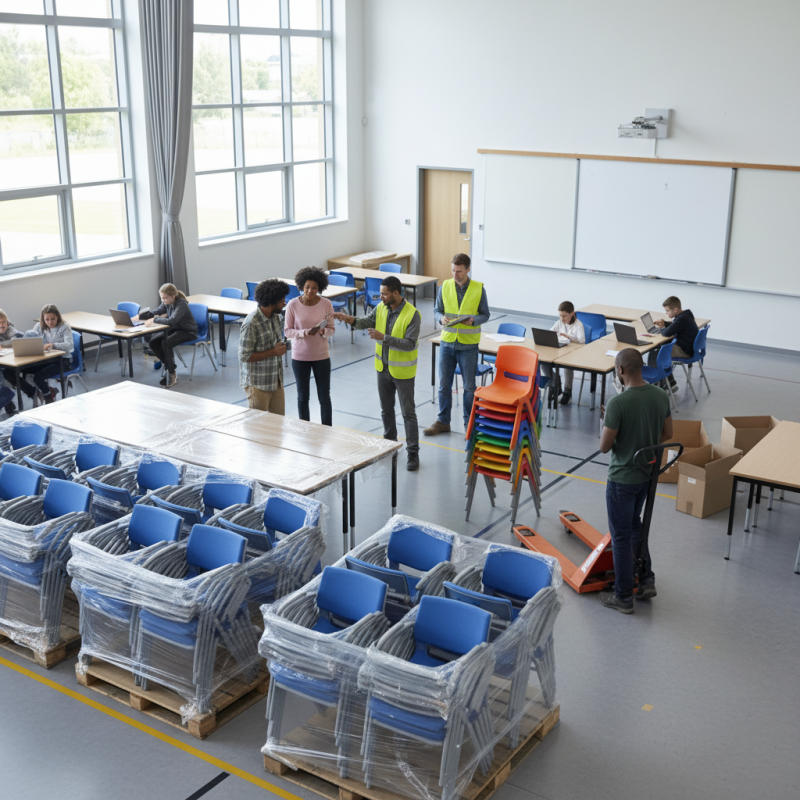
How to Save Money on Bulk Furniture Orders for Schools?

Strategies for Negotiating Bulk Furniture Pricing with Suppliers

Negotiating bulk furniture pricing with suppliers can lead to significant savings for schools. According to a report by the National Association of Educational Furniture Suppliers, schools can save up to 30% by purchasing in bulk. However, achieving these savings requires effective negotiation skills. Research from the Institute of Supply Management shows that understanding market trends can enhance negotiation outcomes.

Developing a solid relationship with suppliers is crucial. Establishing rapport can lead to better deals and priority service. It's also important to compare quotes from multiple suppliers. A 2022 survey indicated that schools that sourced proposals from three or more vendors secured better pricing. Schools should not hesitate to ask suppliers for discounts or incentives, especially for large orders.

Timing is another critical factor. Ordering during off-peak seasons may yield better prices. Being flexible with delivery dates can also provide leverage in negotiations. Schools often overlook this strategy, leading to missed savings. Understanding your needs and communicating them effectively can make a significant difference. The furniture procurement process requires diligence and strategy.

Understanding the Cost Benefits of Buying in Bulk for Educational Institutions

Bulk furniture orders can provide significant cost savings for schools. Educational institutions often operate within tight budgets. Buying in bulk helps manage expenses more effectively. When schools purchase items in larger quantities, suppliers are typically willing to offer discounts. This can lead to savings of 10% to 30% on large orders.

Understanding the specific needs of your school is essential. It’s important to assess the type and quantity of furniture required. Mistakes can happen if schools overestimate need. It’s also crucial to evaluate the quality of the furniture. Lower costs should not compromise durability. Furniture should withstand daily wear and tear in busy classroom environments.

Establishing long-term relationships with suppliers can also yield benefits. Reliable suppliers often provide better service and more favorable terms. However, schools must regularly review their contracts and purchasing strategies. Staying informed about market trends helps schools make better financial decisions. Engaging with other educational institutions can also provide insights on saving strategies. Such collaboration can lead to even more favorable bulk purchasing options.

Evaluating Quality vs. Affordability in Bulk Furniture Purchases

When schools consider bulk furniture orders, the balance between quality and affordability is crucial. Research from the National Association of Educational Furniture (NAEF) indicates that 74% of educational institutions report pressing budget constraints. While saving money is essential, compromising on quality may lead to higher costs in the long run.

Investing in durable furniture can reduce replacement and maintenance expenses. Studies reveal that high-quality pieces can last up to 15 years, while cheaper options often need replacement within 5 years. That's a significant difference in lifespan and overall costs. Furthermore, subpar furniture can negatively impact the learning environment, affecting student focus and engagement.

To make informed decisions, schools should conduct a thorough evaluation of materials and craftsmanship. Engaging with manufacturers who prioritize both value and quality is essential. Transparency in warranties and customer support can also serve as indicators of reliability. Ultimately, each school needs to weigh immediate savings against the potential long-term effects on both budget and student experience.

How to Save Money on Bulk Furniture Orders for Schools? - Evaluating Quality vs. Affordability in Bulk Furniture Purchases

Item Quality Rating (1-5) Unit Price ($) Bulk Discount (%) Total Cost for 100 Units ($)
Student Desk 4 150 10 13500
Teacher's Chair 5 80 15 6800
Computer Lab Table 3 200 5 19000
Library Bookshelf 4 100 12 8800
Outdoor Picnic Table 5 250 8 23000

Exploring Grants and Funding Sources for Bulk Furniture Orders

When considering bulk furniture orders for schools, exploring grants and funding sources is essential. Educational institutions often face budget constraints. By tapping into available funding, they can secure necessary resources. Many local, state, and federal programs offer grants specifically aimed at improving school facilities.

One option is to look for community foundations. These organizations frequently provide grants to support educational initiatives. Research your local community's available funds. Many schools have succeeded with proposals that align with community goals.

Tips: Collaborate with teachers and administrators to create a compelling grant proposal. Engaging the community can increase support and funding opportunities. Consider involving students in the process; their voices can add value. Networking with other schools helps understand successful strategies.

Additionally, revisit past funding sources regularly. Programs may change, and new grants can emerge. Staying informed ensures you don't miss out on potential support. Join education-focused online platforms or attend local workshops to learn more about funding opportunities.

Tips for Streamlining the Bulk Ordering Process for Schools

Bulk furniture orders can seem daunting for schools, but a streamlined process can make it manageable. Begin by assessing specific needs. Survey teachers and staff for their inputs on classroom setups. This ensures that the right pieces are chosen. Create a detailed inventory of existing furniture. Identify what needs replacement or addition. This step prevents overordering and unnecessary expenses.

Collaboration is key in bulk ordering. Form a small committee comprising administrators, teachers, and even students. Their varied perspectives can lead to better decision-making. Additionally, research local suppliers who provide quality products at competitive prices. Establishing a relationship with them can lead to better deals and flexible payment options. Always request samples before finalizing any orders. This helps avoid surprises and potential dissatisfaction.

Think about the logistics. Delivery and assembly can add to costs. Consider schools with similar needs. Coordinating orders can lead to shared shipping and reduced expenses. There might be initial challenges, like miscommunication or delays. Reflecting on these experiences can improve future orders. A little planning can lead to substantial savings for schools.

FAQS

: What are the cost benefits of buying furniture in bulk for schools?

: Buying in bulk can save schools 10% to 30% on furniture orders. Larger quantities often lead to supplier discounts.

How should schools determine their furniture needs?

Assess the type and quantity required. Avoid overestimating needs, as mistakes can lead to unnecessary expenses.

Is quality compromise acceptable when buying cheaper furniture?

No, durability is crucial. Furniture must withstand daily wear and tear in busy classrooms, despite lower costs.

How can schools establish better relationships with suppliers?

Long-term relationships can lead to better service and terms. Regular contract reviews help maintain these relationships effectively.

What funding sources should schools explore for furniture purchases?

Many local, state, and federal programs offer grants. Community foundations often provide funds for improving school facilities.

How can schools create compelling grant proposals?

Collaborate with teachers and administrators. Engaging the community and involving students can strengthen proposals and attract support.

Why should schools network with other institutions?

Networking helps schools understand successful savings strategies. Collaborating can lead to better bulk purchasing options.

How often should schools revisit funding opportunities?

Schools should regularly check past funding sources. New grants may emerge, so staying informed is important.

What role does community engagement play in securing funding?

Engaging the community increases support for proposals. It’s important to align proposals with community goals for better success.

Are there online resources for funding support?

Yes, education-focused platforms and local workshops provide valuable information on available funding opportunities.

Conclusion

This article provides essential insights on how to save money on bulk furniture orders for schools. It discusses effective strategies for negotiating better pricing with suppliers, emphasizing the importance of building strong relationships and leveraging bulk purchasing power. Additionally, it highlights the cost benefits educational institutions can achieve by buying in bulk, allowing them to allocate resources more effectively.

Moreover, the article addresses the critical balance between quality and affordability in bulk purchases, guiding schools to make informed decisions. It also explores potential grants and funding sources that can further enhance the ability to purchase necessary furniture. Lastly, it offers practical tips for streamlining the bulk ordering process, ensuring that schools can efficiently manage their purchases while maximizing financial savings.

Amelia

Amelia

Amelia is a seasoned marketing professional with a wealth of expertise in our company’s core offerings. With an unwavering passion for driving growth and innovation, she plays a pivotal role in shaping our marketing strategies and enhancing brand visibility. A key aspect of her responsibilities......