In 2026, the workplace landscape is rapidly evolving, with a noticeable shift towards modular office desks. Renowned workspace designer Dr. Emily Chen notes, “These desks offer flexibility that traditional setups simply cannot.” As companies seek adaptable solutions, many are questioning why are modular office desks becoming a trend in 2026.
The rise in remote work fueled the demand for versatile office furniture. Modular desks cater to various work styles and preferences. Employees can customize their workspace, promoting creativity and productivity. However, this transformation is not without its challenges. Companies must carefully consider space constraints and budget limitations.
Despite potential drawbacks, the benefits are compelling. Modular designs allow for easy reconfiguration as teams grow or change. The focus on employee well-being further drives this trend. Creating a comfortable and functional workspace is now a priority for many organizations. As the debate continues, one thing is clear: the future of workspaces is shifting, and modular office desks play a pivotal role in this transformation.
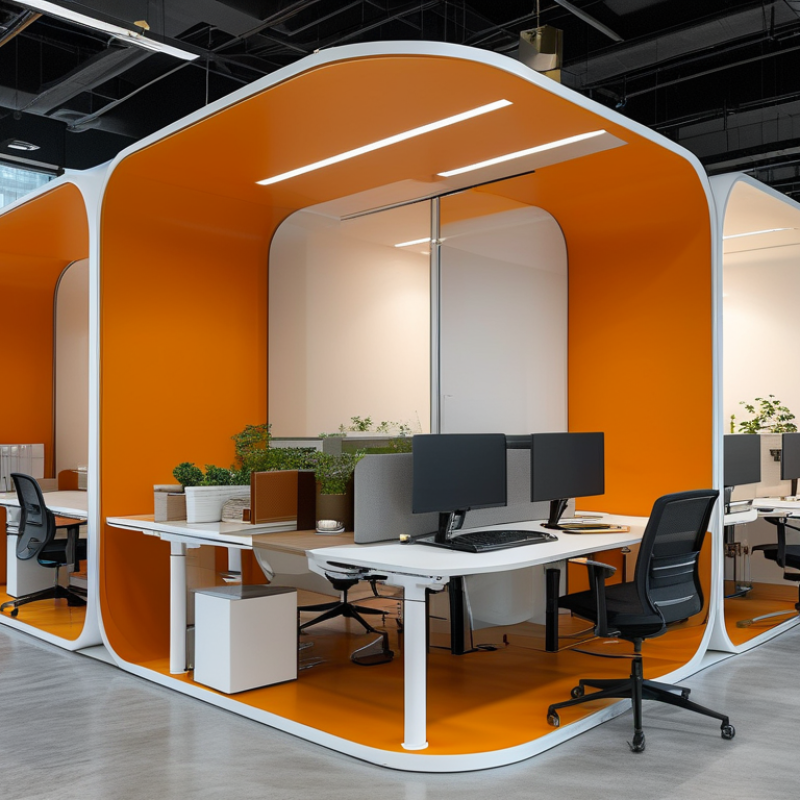
The shift toward modular office desks is reshaping modern workspaces. A recent report from Office Furniture Trends 2026 highlights that nearly 65% of companies are adopting modular designs due to their flexibility. Employees are increasingly demanding work environments that can adapt to different tasks, and modular desks meet that need.
Customization stands at the core of this trend. Modular desks can be easily reconfigured, allowing teams to collaborate effectively. This adaptability supports a dynamic workflow. According to Workspace Innovation Research, businesses that utilize modular furniture report a 30% increase in employee satisfaction. However, some firms struggle with the initial setup costs, a concern that invites further exploration.
A range of materials and designs enhances aesthetic appeal while promoting functionality. Workers who can control their workspace layout often express higher levels of productivity. The trend also raises questions about standardization versus customization. Finding the right balance remains crucial for organizations as they embrace this evolution in office design.
| Feature | Description | Estimated Growth % (2025-2026) | Market Demand Factors |
|---|---|---|---|
| Customization | Modular desks can be tailored to individual office needs, allowing various configurations. | 25% | Increasing remote work and flexible office spaces. |
| Space Efficiency | Optimizes office space utilization, making them ideal for smaller offices. | 30% | High real estate costs and demand for compact solutions. |
| Aesthetic Appeal | Modern designs attract younger professionals and promote a dynamic work environment. | 20% | Trends in interior design focusing on minimalism and functionality. |
| Sustainability | Made from eco-friendly materials, modular desks meet increasing sustainability demand. | 15% | Corporate responsibility and consumer demand for sustainable products. |
| Versatility | Easily reconfigured for different work tasks and styles, promoting teamwork and collaboration. | 18% | Shift towards collaborative work environments. |
: Modular office desks are flexible and adaptable workspaces that can be reconfigured easily.
Their adaptability can boost productivity by up to 30% and enhance creativity among teams.
About 78% of employees report feeling more satisfied in flexible work environments.
Yes, modular designs help maximize utility in smaller offices without sacrificing aesthetics.
Some configurations can be wobbly or misaligned, leading to stability concerns.
Modular desks minimize waste and often use eco-friendly materials, aligning with sustainable practices.
Companies need to assess durability and ensure the design fits their office layout.
New features include smart technology like wireless charging and integrated digital displays.
Companies should educate employees on proper height settings for comfort and productivity.
Some users may find advanced technology overwhelming, indicating a need for simpler options.
The article "Why Are Modular Office Desks a Growing Trend in 2026?" explores the increasing popularity of modular office desks, highlighting their versatility and adaptability to various workspace needs. With the rise of remote work, professionals are seeking flexible solutions that can easily adjust to changing environments. Key features such as customizable layouts and ergonomic designs contribute to their allure, making them an ideal choice for modern offices.
Moreover, the trend is closely linked to sustainability efforts, as modular desks often utilize eco-friendly materials and promote a reduced carbon footprint. As innovation continues, we can expect future advancements in modular office desk solutions that will further enhance functionality and design. In summary, the article delves into why modular office desks are becoming a trend in 2026, driven by the demand for flexibility, sustainability, and a better work-life balance.

 Layanaa Furniture