In today’s fast-paced work environment, maximizing space in a small office is a pressing concern. According to a recent report by the Global Workspace Association, effective space utilization can improve productivity by 20%. Companies are increasingly turning to smart furniture solutions to tackle this issue. Experts emphasize the importance of flexibility and functionality.
John Smith, a workplace optimization specialist, stated, “Smart furniture is essential for making the most of limited spaces.” His insights highlight the critical role these designs play in enhancing efficiency. With innovations like modular desks and multifunctional storage, businesses can create agile workspaces. However, not all smart furniture solutions are created equal. Some may not fit specific office needs, leading to wasted space.
Investing in the right pieces is key. Businesses must assess their unique requirements before choosing furniture. The challenge lies in balancing aesthetics with practicality. Ensuring comfort while maximizing utility requires thoughtful planning. Embracing smart furniture can revolutionize how small offices operate. Ultimately, the right approach can transform cramped environments into productive, engaging workplaces.
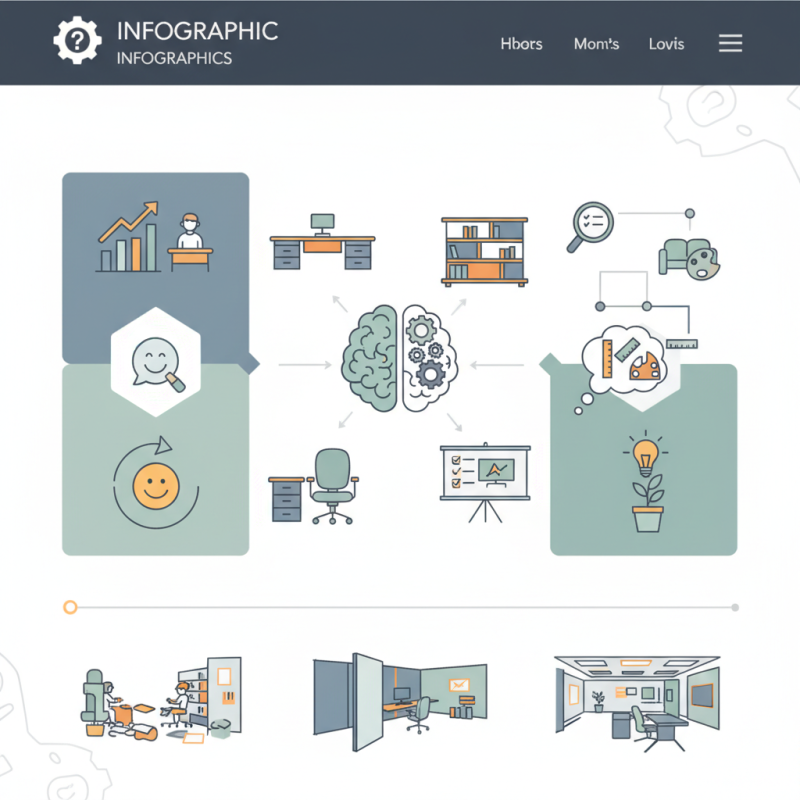
Understanding the Importance of Space Optimization in Small Offices
In small offices, space optimization is crucial. It directly affects productivity and employee morale. When every inch counts, smart furniture can transform your workspace into a functional haven. Remember, a clutter-free environment boosts focus. Consider using tables that double as storage units. Under-desk storage can hold files and supplies without taking up precious floor space.
Maximizing vertical space is another effective strategy. Wall-mounted shelves keep items organized and allow for easy access. This way, you can leave your desk clear for important tasks. Furniture with wheels can also adapt to changing needs. Move it when necessary to create a flexible work environment, but remember to keep it stable when in use.
A common mistake is underestimating the need for clear walkways. Prioritize flow to avoid clutter. Choose a layout that encourages movement and interaction. Using multi-functional furniture can aid in alleviating cramped conditions. Think about pieces that can serve more than one purpose. Reflect on how your office space functions daily, and adjust as needed.
Types of Smart Furniture Ideal for Small Office Environments
When optimizing a small office, smart furniture can significantly enhance functionality. Desks that can convert from sitting to standing are increasingly popular. They allow you to switch positions easily, promoting better health and productivity. Compact desks with built-in storage are also great. They offer a workspace without sacrificing room for your essentials.
Consider multifunctional chairs. Some designs can be used as stools or provide additional storage. This versatility is crucial when every inch counts. Wall-mounted tables can further maximize space. They can be folded down when not in use, freeing up floor space. These innovative solutions keep the office tidy and organized.
Another efficient option is modular shelving. With varying configurations, you can tailor them to your needs. This adaptability allows for custom arrangements and optimizes vertical space. However, finding the right balance can be challenging. Sometimes, simpler designs may be more beneficial in a tiny office. It’s essential to reflect on what best serves your unique workspace requirements.
Maximizing Space in a Small Office with Smart Furniture
This chart illustrates the effectiveness of different types of smart furniture in optimizing space within small office environments. The data showcases various furniture solutions and their corresponding space maximization scores, reflecting user preferences and functionality attributes.
Strategies for Arranging Smart Furniture to Enhance Workflow
In a small office, every square inch counts. Strategically arranging
smart furniture can significantly enhance workflow.
According to a recent report, optimized office layouts can improve productivity by
up to 20%. This highlights the
value of thoughtful furniture placement.
Consider using multi-functional desks that
can serve as both workspaces and meeting areas. Adjustable height desks allow for
standing work, promoting better posture and energy
levels. Studies have shown that standing desks can increase overall productivity by
10-15%. Labeling zones for specific
tasks can also help. Designate areas for collaboration, focus, and relaxation.
Moreover, organization is key. Use vertical storage
solutions to free up floor space. Wall-mounted shelves can hold office supplies and
decorative items without consuming valuable desk area. The right arrangement of smart
furniture can lead to reflection and adjustments in workflow, offering room for
continuous improvement.
Gathering employee feedback on workspace usability can also lead to unexpected revelations
about productivity hurdles, making the space more effective.
Incorporating Multi-Functional Furniture for Maximal Space Efficiency
In a small office, space is often limited.
Multi-functional furniture can significantly enhance efficiency.
Consider a desk that converts into a meeting table. This allows for quick transitions, encouraging collaboration with minimal clutter.
Another option is storage ottomans. They serve as seating and hide office supplies.
This dual purpose helps maintain a tidy workspace.
Think about foldable chairs that can vanish when not in use. They don’t take up space but are easily accessible for guests.
Remember to reflect on your layout. Is every piece of furniture practical?
Sometimes, less is more. A clean, efficient office should inspire productivity.
Embrace smart choices in your furniture selection.
Tips for Choosing Space-Saving Accessories and Storage Solutions
In a small office, space can be a precious commodity. Smart furniture can significantly enhance functionality while saving space. Reports suggest that over 30% of office workers feel cramped in their workspace. Thoughtful accessory choices can alleviate this issue.
Multi-functional furniture, like a desk that doubles as storage, can help keep clutter at bay.
When selecting space-saving accessories, consider vertical storage solutions. Wall-mounted shelves can free up valuable floor space. Evidence indicates that visually organized environments increase productivity by 15%. However, be cautious about overloading shelves. Balance is key to maintaining an appealing and functional workspace.
Incorporating modular furniture also provides adaptability. It enables you to reconfigure your space as needs evolve. Yet, some users overlook the importance of ergonomics. A focus on comfort should complement space-saving efforts. Look for simple yet aesthetically pleasing designs that fit your style.
FAQS
: Desks that convert from sitting to standing enhance health and productivity. Compact desks with built-in storage are also effective.
Chairs that serve as stools or offer storage maximize space. Their versatility is vital when every inch counts.
Wall-mounted tables fold down when not in use, freeing up floor space and keeping the office organized.
Modular shelving allows custom arrangements and optimizes vertical space, but balance is crucial for effective use.
It allows quick transitions, like a desk that doubles as a meeting table, promoting collaboration with minimal clutter.
Vertical storage, like wall-mounted shelves, can save floor space. But be careful not to overload them for a tidy look.
Multi-functional pieces keep clutter controlled and can improve productivity in small office settings.
Focusing on comfort is essential. Ergonomic designs should complement space-saving furniture.
Sometimes, less is more. A clean, efficient office can inspire productivity and should focus on practical furniture.
Reflect on the practicality of each piece. Ensure that every item in your workspace serves a purpose.
Conclusion
In today's increasingly compact work environments, understanding how to maximize space in a small office with smart furniture is essential. The first step is recognizing the importance of space optimization, which not only enhances productivity but also creates a more pleasant working atmosphere. Various types of smart furniture, such as modular desks and adaptable seating, can effectively utilize limited space while offering flexibility for different tasks.
To further enhance workflow, strategic arrangement of smart furniture is crucial. Placing multi-functional pieces, like storage ottomans or extendable tables, provides both functionality and aesthetic appeal. Additionally, selecting space-saving accessories and efficient storage solutions can significantly declutter the workspace. By implementing these strategies, businesses can create a harmonious and productive small office environment that fosters creativity and collaboration.

 Layanaa Furniture