How to Maintain Laboratory Furniture in a Sterile Environment?

Time:2026-06-04 Author:Aria
0%

Maintaining a sterile environment in laboratories is critical for accurate results. According to Dr. Jane Smith, a leading expert in laboratory management, "The integrity of research depends on our ability to maintain cleanliness." This highlights the importance of how to maintain laboratory furniture in a sterile environment. Proper care of laboratory furniture directly impacts the quality of scientific work.

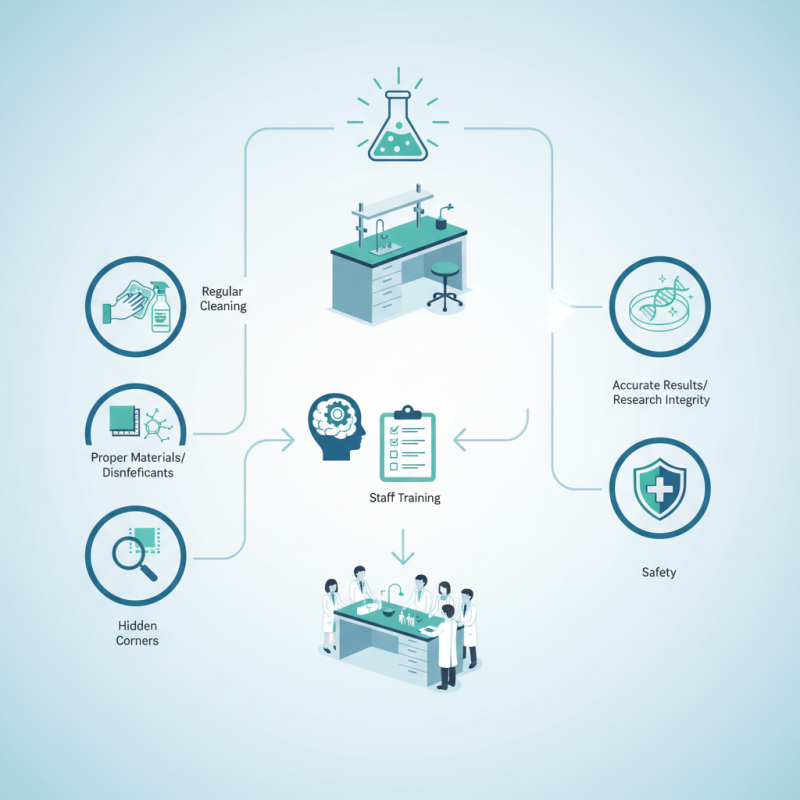
Laboratory furniture, often overlooked, plays a vital role in ensuring sterility. Regular cleaning and proper materials are key factors. Wipe surfaces with appropriate disinfectants regularly. However, it’s easy to miss hidden corners or under tables, where contaminants may build up.

Many labs struggle with maintenance routines. Staff training is essential for consistent practices. Employees should understand the importance of their role in maintaining a sterile environment. Implementing checklists can enhance diligence. Ultimately, a well-maintained laboratory fosters reliability in results and promotes safety for all who work within it. Adapting these practices requires ongoing effort and reflection.
How to Maintain Laboratory Furniture in a Sterile Environment?

Types of Laboratory Furniture Suitable for Sterile Environments

Laboratories require specialized furniture to maintain a sterile environment. A few types stand out for their design and functionality. Stainless steel tables are popular due to their non-porous surface. They resist contaminants and can be easily cleaned. These tables are durable and do not harbor bacteria.

Another option is epoxy resin work surfaces. These surfaces are resistant to chemicals and moisture. They offer a smooth, easy-to-sanitize area for experimentation. Additionally, adjustable-height benches improve ergonomics. They help accommodate various tasks while maintaining cleanliness.

However, not all furniture meets the required standards. It’s crucial to choose equipment that is specifically designed for sterile conditions. Ensure furniture components do not trap dust and debris. Regular inspections can identify areas needing attention. Keeping up with maintenance is essential, but issues can still arise. It's important to assess whether the furniture is suitable for the intended laboratory activities.

Types of Laboratory Furniture Suitable for Sterile Environments

Importance of Regular Cleaning and Disinfection of Laboratory Furniture

Regular cleaning and disinfection of laboratory furniture is critical for maintaining a sterile environment. In labs, surfaces can harbor pathogens, chemicals, and contaminants. Frequent cleaning not only reduces these risks but also ensures safety for all personnel. Implementing a strict cleaning schedule is essential. Each piece of furniture, from tables to storage units, needs attention.

Utilizing appropriate disinfectants can be complex. Not all surfaces can handle harsh chemicals. It’s crucial to select effective products while considering the material of the furniture. Some might become damaged over time, leading to costly replacements. Training staff on proper cleaning techniques is also vital. In some cases, poor practices can lead to cross-contamination.

Neglecting this routine can have serious consequences. A laboratory that appears clean may still be a breeding ground for microorganisms. Regular audit trails should be maintained to ensure compliance. Staff should reflect on their cleaning practices regularly. Feedback can lead to improvements in methods and protocols.

Best Practices for Maintaining Laboratory Furniture Surfaces

Maintaining laboratory furniture surfaces requires diligence and attention to detail. Regular cleaning is essential to prevent contamination. Use approved cleaning agents that are effective yet safe for the surfaces. Wipe down tables and counters after each use, especially in sterile environments. Disposing of waste promptly helps minimize the risk of cross-contamination.


In addition to cleaning, inspect furniture regularly for signs of wear or damage. Scratches or dents can harbor bacteria. If you notice any issues, address them immediately. It’s better to replace a damaged piece than risk contamination. Ensure all surfaces are smooth and easy to clean. Using furniture with minimal crevices aids in effective sanitation.


Training staff on proper cleaning protocols is vital as well. Encourage team members to keep maintenance logs and share any irregularities. Open communication can improve overall hygiene practices. Reflecting on these procedures can lead to better compliance and safer workspaces. Regular assessment helps identify areas needing improvement.

Guidelines for Storing Laboratory Equipment in Sterile Settings

When storing laboratory equipment in sterile settings, organization is key. Utilize labeled containers to keep items separated. This enables quick access while minimizing contamination risks. Ensure surfaces are smooth and easy to clean. Regularly inspect storage areas for dust or debris. Even small particles can jeopardize sterility.

Temperature and humidity control are essential. High humidity can lead to mold growth, impacting equipment safety. It’s crucial to monitor conditions closely and adjust as necessary. Ideal storage areas should be cool and dry. Use moisture-absorbing materials when needed.

Training personnel is vital for maintaining sterile conditions. All staff should understand the importance of cleanliness. Inadequate training can lead to risky behaviors, such as leaving containers open. Regular workshops can reinforce best practices. A culture of sterility requires ongoing commitment and attention.

How to Maintain Laboratory Furniture in a Sterile Environment? - Guidelines for Storing Laboratory Equipment in Sterile Settings

Item Maintenance Frequency Cleaning Method Storage Conditions
Laboratory Workbench Daily Disinfect with 70% ethanol In a dry, cool place
Storage Cabinets Weekly Wipe with disinfectant Dust-free area, closed doors
Sample Refrigerators Monthly Clean with mild soap and water Maintain at optimal temperature
Sinks and Drains Daily Use bleach solution Ensure clear drainage

Implementing an Inspection Schedule for Laboratory Furniture Integrity

Regular inspection of laboratory furniture is vital for maintaining a sterile environment. Over time, wear and tear can compromise furniture integrity. Small scratches or dents may harbor contaminants, affecting experiments. A structured inspection schedule helps identify these issues early.

Inspect in intervals that suit your lab’s use. Monthly checks can highlight problems before they escalate. Look for signs of damage, dirt accumulation, or corrosion. Ensure that all surfaces are smooth and free from cracks. It’s not just about visual checks; touch and feel matter too. Furniture should feel stable and secure.

Document each inspection to track the condition over time. This creates a reliable history of maintenance. Staff members should be trained to report any abnormalities immediately. Encourage a culture of responsibility regarding laboratory furniture. Reflecting on past inspections may reveal patterns or recurring issues. Each inspection is an opportunity to enhance your sterile environment.

FAQS

: How often should laboratory furniture be cleaned?

: Clean surfaces after each use to prevent contamination. Regular maintenance is crucial for a safe environment.

What should I do if I find damage on laboratory furniture?

Address any issues like scratches or dents immediately. It's better to replace damaged items than risk contamination.

How can I effectively store lab equipment?

Use labeled containers to keep items organized. This helps minimize contamination risks and enables quick access.

Why is temperature and humidity control important?

High humidity can cause mold growth. Maintaining a cool, dry environment is essential for equipment safety.

What training should laboratory staff receive?

Staff should understand proper cleaning and storage protocols. Regular workshops can reinforce the importance of cleanliness.

How can we ensure our inspection process is effective?

Implement regular inspections of furniture. Document findings to track conditions and identify patterns over time.

What factors should be considered during furniture inspections?

Look for wear, dirt accumulation, or corrosion. Ensure all surfaces feel stable and are free from cracks.

How do I promote a culture of sterility in the lab?

Encourage open communication and shared maintenance logs. Reflecting on procedures can improve compliance and hygiene practices.

How often should inspections take place?

Monthly checks can help identify problems before they escalate. Regular assessments are crucial for a sterile environment.

Conclusion

To understand how to maintain laboratory furniture in a sterile environment, it's essential to recognize the types of furniture that are best suited for such settings, including stainless steel and non-porous materials that resist contaminants. Regular cleaning and disinfection practices are crucial in preventing the buildup of harmful microorganisms, helping to ensure a safe work environment. Best practices for maintaining surfaces include using appropriate cleaning agents and methods that do not damage the furniture while ensuring effective sanitation.

Additionally, guidelines for storing laboratory equipment should focus on minimizing exposure to contaminants, utilizing designated storage solutions, and maintaining organization to facilitate easy access. Implementing a regular inspection schedule is vital for verifying the integrity of laboratory furniture, allowing for prompt repairs or replacements when necessary. By adhering to these practices, laboratories can effectively maintain their furniture while supporting a sterile environment.

Aria

Aria

Aria is a dedicated marketing professional with a deep passion for innovative strategies and a keen understanding of our company's product offerings. With a wealth of experience in the industry, Aria excels at crafting engaging content that highlights the unique features and benefits of our......