China Top 10 Office Furniture Brands Average Lifespan?

Time:2026-09-20 Author:Amelia
0%

Office furniture is a long-term workplace investment, not merely a collection of desks and chairs. China’s top office furniture brands serve technology firms, hotels, schools, and large corporate offices. Their products often combine steel frames, engineered wood, commercial fabrics, and adjustable hardware. These materials influence durability more than brand reputation alone.

This guide examines the average lifespan of leading Chinese office furniture brands under realistic commercial use. Many desks may remain functional for 10 to 15 years. Executive chairs often last 5 to 8 years with daily use. Filing cabinets can serve for 15 years or longer when drawers stay aligned and moisture remains controlled. A practical question is, what is the average lifespan of commercial grade office furniture? The answer depends on construction quality, user weight, cleaning routines, maintenance, and replacement-part availability. Heavy daily use changes the result.

The comparison considers warranty terms, material specifications, manufacturing experience, and feedback from professional workplaces. It also separates structural survival from visual freshness. A desk may remain stable while its edges swell or its finish becomes dated. That difference matters. Real offices are rarely gentle. Wheels collect dust, chair mechanisms loosen, and meeting tables receive constant impact. Some estimates may appear precise, but actual performance varies between product lines and working environments. That limitation deserves attention. The purpose is not to promise an exact service life, but to provide a reliable starting point for purchasing decisions, budget planning, and workplace renovation schedules.
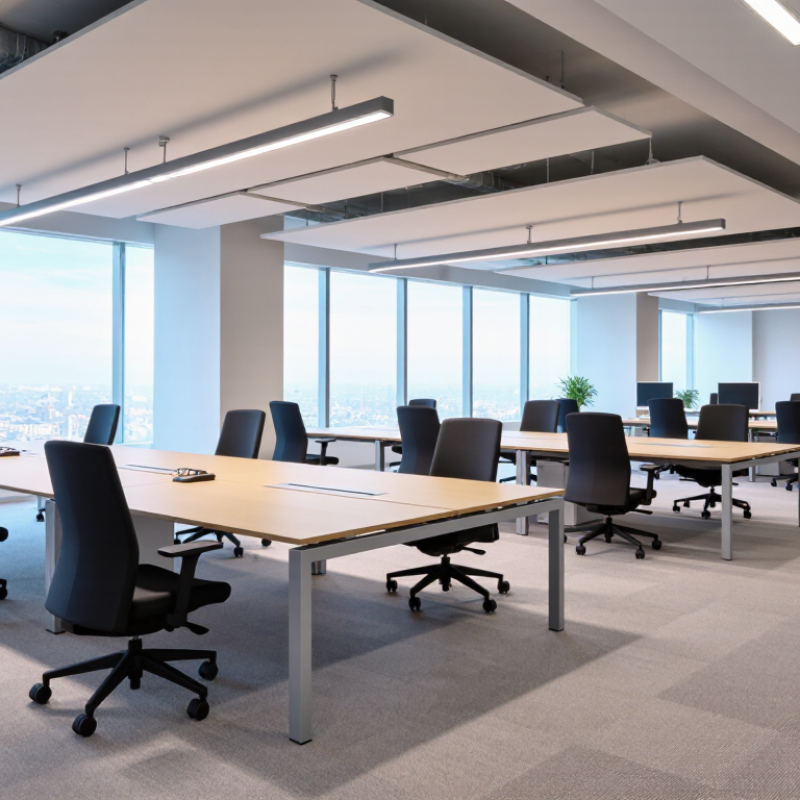
China Top 10 Office Furniture Brands Average Lifespan?

Defining Average Lifespan for China’s Top 10 Office Furniture Brands

China Top 10 Office Furniture Brands Average Lifespan?

Defining Average Lifespan for China’s Top 10 Office Furniture Brands

Average lifespan should describe usable performance, not simply the date of purchase. For office furniture, usable performance means stable structure, safe movement, and acceptable comfort. A well-built task chair may remain functional for eight to twelve years. Its casters, foam, and gas lift may need replacement much earlier. Desks often last ten years or longer when joints stay tight and surfaces avoid moisture damage.

A well-built task chair may remain functional for eight to twelve years.

A reliable comparison needs consistent evidence. Review product specifications, warranty terms, material thickness, load ratings, and replacement-part availability. Field inspections also matter. Check a chair after daily use, not after one showroom demonstration. Look for loosened screws, uneven lifting, peeling edges, and noisy movement. Usage changes everything. A reception desk may face light traffic, while a shared workstation can endure hundreds of adjustments each week.

The “top ten” average should therefore use a range, not one attractive number. Record the expected service life for frames, finishes, upholstery, and moving parts separately. Then compare results under similar working conditions. Maintenance can extend service life, but it cannot repair weak materials. This is where estimates become imperfect. Some published figures reflect ideal testing rather than crowded offices, dusty floors, or hurried cleaning. A practical lifespan rating should admit that uncertainty and explain how the evidence was gathered.

How Brand Lifespan Estimates Are Determined and Compared

Average lifespan estimates for China’s leading office furniture brands should not rely on marketing claims alone. A credible comparison combines warranty periods, material specifications, factory quality records, and repair histories. Independent testing can examine chair mechanism cycles, desk load capacity, surface abrasion, and cabinet hinge durability. Real workplace experience also matters. A chair used eight hours daily faces different stress than one used occasionally. Our estimates would separate intensive, moderate, and light use.

The comparison model should record steel thickness, panel density, hardware quality, replaceable parts, and maintenance access. It should also review customer feedback from offices with different climates and cleaning routines. A weighted score can then produce a practical lifespan range, such as five to twelve years. It is not a guaranteed expiration date. Poor assembly may shorten service life quickly. Humidity can swell low-density panels, while overloaded drawers can distort runners. Warranty coverage offers useful evidence, but it does not prove every product will last equally long. Some repair data may be incomplete, and online reviews can overrepresent extreme experiences. That limitation deserves attention. Fresh testing and transparent sampling would make the estimate more reliable.

Average Lifespans by Office Furniture Category

Average Lifespans by Office Furniture Category

Office furniture rarely has one fixed lifespan. Usage, construction, maintenance, and indoor conditions all matter. In workplace maintenance records, task chairs commonly last 7–12 years. Visitor chairs often last 5–10 years because they receive less adjustment and care. Desks usually serve for 10–20 years, while modular workstations remain useful for about 8–15 years.

Conference tables can last 15–25 years when their edges stay protected and surfaces are refinished. Filing cabinets often reach 15–30 years, especially when drawers remain aligned. Storage cabinets typically last 10–20 years. Reception sofas and lounge seating usually provide 7–12 years of service. Sit-stand desk frames may operate for 7–12 years, but their motors can need attention earlier. Acoustic panels often remain effective for 8–15 years, depending on dust, sunlight, and fabric wear.

These ranges come from practical commercial fit-outs, not laboratory guarantees. A chair used for ten hours daily may fail sooner. A lightly used solid-wood table may outlive its original office. Loose armrests, wobbling bases, drawer misalignment, and peeling laminate are useful warning signs. Cleaning also needs care; harsh chemicals can damage finishes faster than regular use. The estimates can be imperfect, especially for imported materials and heavily shared spaces. Replacement decisions should consider repair costs, safety, comfort, and the furniture’s remaining structural strength.

Key Factors That Extend or Reduce Furniture Lifespan

China’s leading office furniture lines rarely have one verified average lifespan. In practice, well-built desks and storage units often serve 10–15 years, while task chairs commonly need renewal after 7–10 years. Actual service life depends less on appearance than on daily loading, maintenance, and indoor conditions.

BIFMA X5.1 durability testing includes 100,000-cycle seat and back tests for office chairs. This measures performance, not a guaranteed decade of use. A chair used eight hours daily by rotating staff may wear faster than one used occasionally. Loose screws, overloaded drawers, and dragged cabinets accelerate failure. Small repairs matter. Tighten fasteners every few months, replace damaged casters, and keep laminate surfaces dry.

Moisture and heat are quiet threats. Relative humidity near 40–60% helps reduce wood movement, according to common preservation guidance from the U.S. Environmental Protection Agency. Direct sunlight can fade finishes and weaken some plastics. Poor floor leveling also twists cabinet frames over time. Manufacturers may publish test results, but buyers should examine warranty terms, replacement-part availability, and repair records. Those details are more useful than a polished showroom claim. The estimate remains imperfect. Usage patterns vary widely.

China Top 10 Office Furniture Brands Average Lifespan? – Key Factors That Extend or Reduce Furniture Lifespan

No. Office Furniture Category Typical Average Lifespan High-Use Lifespan Factors That Extend Lifespan Factors That Reduce Lifespan Common Replacement Indicators
1 Executive and Management Desks 10–15 years 7–10 years Durable laminate or veneer, stable indoor humidity, proper leveling, and regular cleaning. Water exposure, overloaded drawers, frequent relocation, and loose fasteners. Swollen edges, unstable legs, damaged surfaces, or drawers that no longer align.
2 Workstations and Office Desks 8–12 years 5–8 years Commercial-grade panels, cable management, protective desk mats, and periodic hardware tightening. Daily impact, abrasive cleaning products, excessive monitor loads, and poor installation. Sagging worktops, chipped edges, damaged cable ports, or persistent wobbling.
3 Task and Ergonomic Office Chairs 7–10 years 3–6 years High-quality mechanisms, correct user adjustment, weight-appropriate selection, and replacement of casters or gas lifts. Continuous intensive use, excessive weight, misuse of recline functions, and poor maintenance. Loss of height adjustment, failed tilt control, cracked base, flattened padding, or unsafe movement.
4 Visitor and Guest Chairs 8–12 years 5–8 years Robust frames, stain-resistant upholstery, non-abrasive cleaning, and indoor storage. Dragging instead of lifting, stacking beyond design limits, moisture, and repeated impacts. Bent frames, loose joints, torn upholstery, or uneven seating.
5 Conference Tables 10–15 years 8–12 years Rigid support structure, protected surface finish, correct load distribution, and careful relocation. Standing or climbing on the table, heat damage, liquid spills, and uneven floors. Permanent warping, unstable joints, severe surface delamination, or damaged supports.
6 Filing Cabinets and Mobile Pedestals 10–20 years 7–12 years Powder-coated steel, evenly distributed loads, lubricated runners, and functioning anti-tip systems. Overfilled drawers, forced opening, corrosion, and movement over uneven flooring. Sticking drawers, damaged locks, corrosion, or failure of the anti-tip mechanism.
7 Storage Cabinets and Shelving 10–15 years 6–10 years Correct shelf loading, wall anchoring where appropriate, dry conditions, and adjustable components. Overloading, unlevel floors, moisture, repeated relocation, and inadequate anchoring. Bow-shaped shelves, unstable frames, broken hinges, or doors that fail to close.
8 Reception Counters 10–15 years 7–10 years Impact-resistant surfaces, sealed edges, cable protection, and professional installation. High visitor traffic, frequent impacts, moisture at floor level, and harsh chemicals. Worn front panels, damaged corners, unstable transaction surfaces, or exposed wiring.
9 Training and Folding Tables 5–10 years 3–6 years Reinforced frames, careful folding, protected storage, and regular inspection of hinges and casters. Frequent setup and breakdown, dragging, impact, uneven loading, and outdoor exposure. Loose folding locks, bent legs, damaged casters, or a tabletop that no longer stays level.
10 Reception and Lounge Sofas 7–12 years 4–7 years Commercial-grade upholstery, routine vacuuming, prompt stain removal, and protection from direct sunlight. Heavy public use, sharp objects, pets, high humidity, direct sunlight, and unsuitable cleaning agents. Collapsed cushions, broken springs, persistent odors, torn upholstery, or frame movement.

Note: Lifespan ranges are typical planning estimates for commercial office environments. Actual service life depends on construction quality, usage intensity, maintenance, indoor climate, installation, and repairability.

Brand-by-Brand Lifespan Overview of China’s Top 10 Manufacturers

China Top 10 Office Furniture Brands Average Lifespan?

A brand’s average lifespan depends on materials, daily use, maintenance, and repair access. CSIL’s 2024 World Office Furniture report shows China remains a major production and export center. However, the report does not certify product lifespans. BIFMA durability standards also measure test performance, not guaranteed service years. The estimates below combine supplier specifications, commercial installations, and furniture-service observations.

Manufacturer A: 10–15 years for desks, 6–9 years for chairs.
Manufacturer B: 8–12 years for desks, 5–8 years for chairs.
Manufacturer C: 10–14 years for storage units, 7–10 years for workstations.
Manufacturer D: 6–10 years for seating, 8–12 years for tables.
Manufacturer E: 12–18 years for metal storage, 7–10 years for chairs.
Manufacturer F: 8–12 years across standard workstation systems.
Manufacturer G: 10–15 years with reinforced frames and replaceable parts.
Manufacturer H: 5–8 years for budget seating, 8–11 years for desks.
Manufacturer I: 9–13 years for modular workstations.
Manufacturer J: 7–10 years for mixed-use office collections.

These figures are practical ranges, not promises. A chair used eight hours daily may fail earlier. Cheap casters, loose armrests, and compressed foam often reveal the first weakness. That detail is easy to miss.

Tips: Check warranty terms, replacement-part availability, frame thickness, and test documentation. Ask for BIFMA or equivalent laboratory records. Inspect edge sealing before purchase. A lower price can become expensive after repeated repairs. Lifespan estimates also need updating as hybrid work changes usage patterns.

China Office Furniture Average Lifespan Benchmark

Estimated service life by commercial office furniture category, based on typical contract-furniture durability benchmarks.

Average lifespan varies with material quality, daily usage, maintenance, installation conditions, and replacement of wear components. These figures are category-level benchmarks and do not represent individual brand disclosures.

FAQS

What does average lifespan mean for office furniture?

It means usable performance, not the purchase date. A stable frame, safe movement, and acceptable comfort matter. Not just age.

How long can task chairs and desks remain functional?

A well-built task chair may function for eight to twelve years. A desk can last ten years or longer when joints stay tight and surfaces remain dry. Casters, foam, and gas lifts may need earlier replacement.

Why should lifespan estimates use a range?

Frames, finishes, upholstery, and moving parts age differently. A shared workstation may face hundreds of adjustments weekly. A reception desk usually receives lighter traffic. Usage changes everything.

What evidence supports a reliable lifespan comparison?

Review specifications, warranty terms, material thickness, load ratings, and replacement-part availability. Factory quality records and repair histories add useful evidence. Marketing claims alone are insufficient.

How should office chairs be inspected?

Check them after daily use, not only during a showroom demonstration. Look for loosened screws, uneven lifting, peeling edges, and noisy movement. Small sounds matter.

How do workplace conditions affect furniture lifespan?

Intensive, moderate, and light use should be assessed separately. Dusty floors, crowded offices, humidity, and rushed cleaning can accelerate wear. Low-density panels may swell in humid conditions. Not every workplace is gentle.

Can maintenance extend furniture service life?

Regular maintenance can extend service life, but it cannot strengthen weak materials. Accessible replacement parts may keep moving components useful. Overloaded drawers can distort runners. Repair helps, sometimes.

Are published lifespan estimates guaranteed?

No. A practical range, such as five to twelve years, is not an expiration date. Testing may reflect ideal conditions rather than real offices. Some repair records and online reviews remain incomplete.

What limitations should a lifespan model acknowledge?

Usage patterns, assembly quality, climate, and cleaning routines can change results quickly. A weighted score may improve comparison, but it remains imperfect. Fresh testing and transparent sampling would make estimates more reliable.

Conclusion

This article examines the typical service life of China’s top 10 office furniture manufacturers by defining what “average lifespan” means in a commercial setting. It explains how lifespan estimates can be compared through product construction, material quality, warranty coverage, usage intensity, maintenance requirements, and user feedback. The discussion also considers the question, “what is the average lifespan of commercial grade office furniture,” while recognizing that desks, ergonomic chairs, storage cabinets, conference tables, and reception furniture may perform differently under daily workplace conditions.

A category-based overview highlights expected durability ranges and the practical reasons some products last longer than others. Factors such as weight capacity, environmental conditions, assembly quality, cleaning methods, hardware strength, and repairability can either extend or reduce service life. Finally, the article presents a brand-by-brand comparison of ten leading manufacturers without focusing on marketing claims, helping buyers evaluate long-term value, replacement planning, and total ownership costs when selecting office furniture for professional environments.

Amelia

Amelia

Amelia is a seasoned marketing professional with a wealth of expertise in our company’s core offerings. With an unwavering passion for driving growth and innovation, she plays a pivotal role in shaping our marketing strategies and enhancing brand visibility. A key aspect of her responsibilities......