As we navigate the ever-evolving workplace, understanding "what are the latest innovations in smart office furniture" becomes crucial. Smart office furniture integrates technology to enhance productivity and well-being. According to a recent report by Frost & Sullivan, the smart office furniture market is projected to reach $34 billion by 2025. This growth reflects a shift towards more personalized and functional workspaces.
Dr. Margaret Chen, a leading expert in workplace ergonomics, emphasizes the importance of innovation in design. She states, "Smart furniture is not just about technology; it's about creating environments that foster collaboration and creativity." Innovations such as height-adjustable desks, built-in charging stations, and AI-driven task management systems are redefining how we engage with our workspaces.
However, challenges persist in the adoption of these technologies. Many companies hesitate due to high initial costs or lack of familiarity with smart solutions. It's essential for firms to weigh these innovations' long-term benefits against upfront investments. By doing so, they can create a more adaptable and efficient work environment that meets the demands of modern professionals.
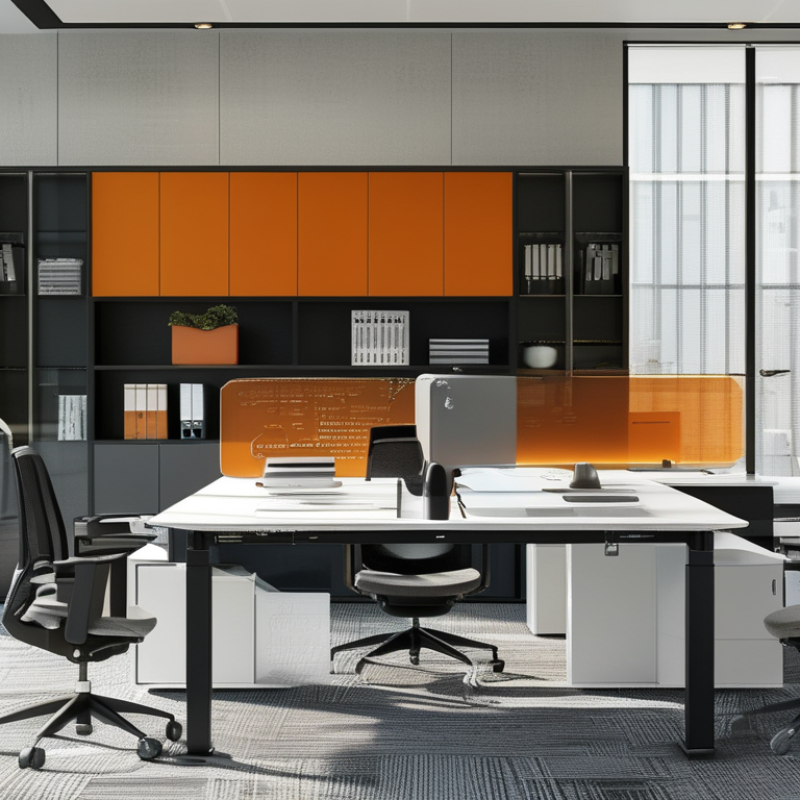
Smart office furniture is evolving rapidly. The latest designs focus on enhancing productivity through innovative features. Height-adjustable desks are gaining popularity. They allow users to alternate between sitting and standing, promoting better posture. This flexibility can boost concentration and energy levels throughout the day.
Another exciting development is the integration of technology into these desks. Built-in wireless charging pads and USB ports make it easy to keep devices powered. Some models even include AI-driven features, adjusting the desk height based on user preferences. This smart technology can enhance workflow and efficiency.
While these innovations sound promising, there are challenges to consider. Not everyone may adapt quickly to a standing desk. Some users report discomfort after prolonged use. It’s essential to listen to your body and make adjustments as needed. Balancing ergonomics with technology is crucial for optimal productivity. Embracing these advancements requires thoughtful reflection and adaptation.
The modern workplace is evolving. Ergonomic smart chairs are leading this transformation. Reports indicate that poor posture costs businesses up to $120 billion annually in healthcare expenses. Smart chairs address these issues by providing adjustable features that promote healthy sitting.
When looking for these chairs, consider adjustability. They should support various heights and back angles. According to ergonomic studies, adjustable lumbar support can reduce discomfort significantly. A chair with built-in sensors can help by reminding you to change position. This feature can boost productivity and satisfaction.
Tips for choosing an ergonomic smart chair include checking for breathability and cushioning. Materials play a crucial role in comfort. Ensure the chair allows airflow to prevent overheating. Test the chair before buying—it should feel comfortable instantly yet offer support over long periods. Remember, not every chair fits every body. Personal comfort is essential.
In today’s fast-paced work environment, smart office furniture is becoming essential. With technology integrated into desks and chairs, employees can stay connected and productive. Smart desks often include built-in charging stations and Bluetooth speakers, transforming a traditional workspace into a tech-friendly zone. Imagine a desk that reminds you to stand or adjust its height according to your preferences.
Moreover, the connectivity of smart furniture can be both a boon and a challenge. While it enhances user experience, it may also add to distractions. Features like app controls and smart interfaces can overwhelm some users. Finding a balance between functionality and simplicity is crucial.
The evolving landscape of smart office furniture is fascinating yet reflective. Innovations are not just about providing more gadgets. They should also prioritize user well-being. As we embrace these technologies, it's important to question how they impact our focus, physical health, and overall work satisfaction. Understanding and integrating these aspects will lead to truly smarter work environments.
This chart showcases the growth in adoption of smart office furniture with built-in connectivity features over the past five years. As remote work becomes more prevalent, the demand for innovative furniture integrated with technology has risen significantly.
Adjustable furniture plays a crucial role in promoting employee wellbeing.
Many workers spend long hours at desks. This can lead to discomfort and health issues. Adjustable desks and chairs can alleviate these problems. They allow employees to switch between sitting and standing. This flexibility encourages movement and reduces fatigue.
Here are a few ways adjustable furniture can enhance your workspace. First, encourage employees to adjust their workstations based on personal comfort. This empowers them to take control of their environment. Next, create designated break areas to stretch or walk. Movement can improve focus and morale. Lastly, provide training on proper ergonomics. This helps employees use their furniture correctly to prevent strain.
Incorporating adjustable furniture does not guarantee a perfect solution. Some employees might resist change or feel awkward initially. Recognizing this can guide you in creating a more inclusive and supportive environment. Understanding individual needs is essential for promoting overall wellbeing in the workplace.
Sustainable smart office furniture is revolutionizing workplace design. Research shows that eco-friendly materials in office furniture can reduce carbon footprints significantly. A 2022 report highlighted that adopting sustainable practices in furniture manufacturing could cut emissions by up to 40%.
One enticing innovation is the use of recycled materials. For example, office chairs made from reclaimed wood or plastic not only look modern but also contribute to waste reduction. Many companies are now integrating technology to enhance sustainability. Smart desks that adjust to user preferences are designed to last longer, reducing the need for replacements.
Despite these advancements, challenges remain. Not all sustainable materials perform well over time. Some eco-friendly options lack durability, raising concerns about long-term investment. Additionally, the initial cost of sustainable furniture can be higher, which deters many businesses. Evaluating the balance between sustainability and practicality is crucial for organizations aiming to create greener workplaces.
| Feature | Description | Sustainability Aspect | Smart Technology |
|---|---|---|---|
| Adjustable Height Desks | Desks that can be easily adjusted between sitting and standing positions. | Use of recycled materials for construction. | Integrated sensors to monitor posture and health. |
| Smart Conference Tables | Tables with built-in technology for video conferencing and presentations. | Made from sustainably sourced wood. | Touch controls and connectivity for devices. |
| Eco-Friendly Chairs | Chairs made from biodegradable materials that provide ergonomic support. | Manufactured with low-impact processes. | Built-in health monitoring systems. |
| Wireless Charging Desks | Desks equipped with wireless charging pads for devices. | Utilizes energy-efficient charging technology. | Smart indicators to show charging status. |
: Ergonomic smart chairs support healthy sitting. They often have adjustable features to improve posture and reduce discomfort.
Adjustable features cater to different body types. They provide lumbar support, improving comfort for long periods of sitting.
Some smart chairs have sensors. They remind users to change positions, which can enhance focus and satisfaction.
Look for breathability and cushioning. Materials that allow airflow help prevent overheating during long work hours.
Adjustable furniture allows for changing positions. This flexibility helps reduce fatigue and encourages movement throughout the day.
Some employees might resist change. They may find it awkward at first, highlighting the need for proper support and training.
Eco-friendly furniture can significantly reduce carbon footprints. Using recycled materials contributes to waste reduction and sustainability.
Not all sustainable materials are durable. Some may have a higher initial cost, leading to hesitance among businesses to invest.
Provide designated break areas and training on ergonomics. This encourages comfort and helps employees use furniture correctly.
Understanding individual needs is crucial. This helps create a comfortable environment and improves overall workplace morale.
In today's rapidly evolving work environment, understanding what are the latest innovations in smart office furniture is essential for enhancing productivity and employee wellbeing. Innovative smart desks now feature advanced functionalities designed to optimize workflow, allowing users to adjust heights easily and incorporate integrated technology for seamless connectivity. Alongside these desks, ergonomic smart chairs are transforming workspaces with designs that prioritize comfort and support, enabling workers to maintain focus over long hours.
Moreover, the rise of adjustable furniture plays a significant role in promoting employee wellbeing by encouraging movement and reducing strain. Sustainability has also become a key consideration, with eco-friendly innovations in smart office furniture that not only serve functional purposes but also contribute positively to the environment. Collectively, these advancements highlight a significant shift toward creating more efficient, comfortable, and responsible workspaces.
Layanaa Furniture