Why is the Average Lifespan of Commercial Grade Office Furniture Important?

Time:2026-05-22 Author:Oliver
0%

When considering office spaces, the question often arises: what is the average lifespan of commercial grade office furniture? According to industry expert John Smith, “Understanding the lifespan of office furniture is essential for optimal investment.” This issue is crucial for businesses aiming to maximize their resources.

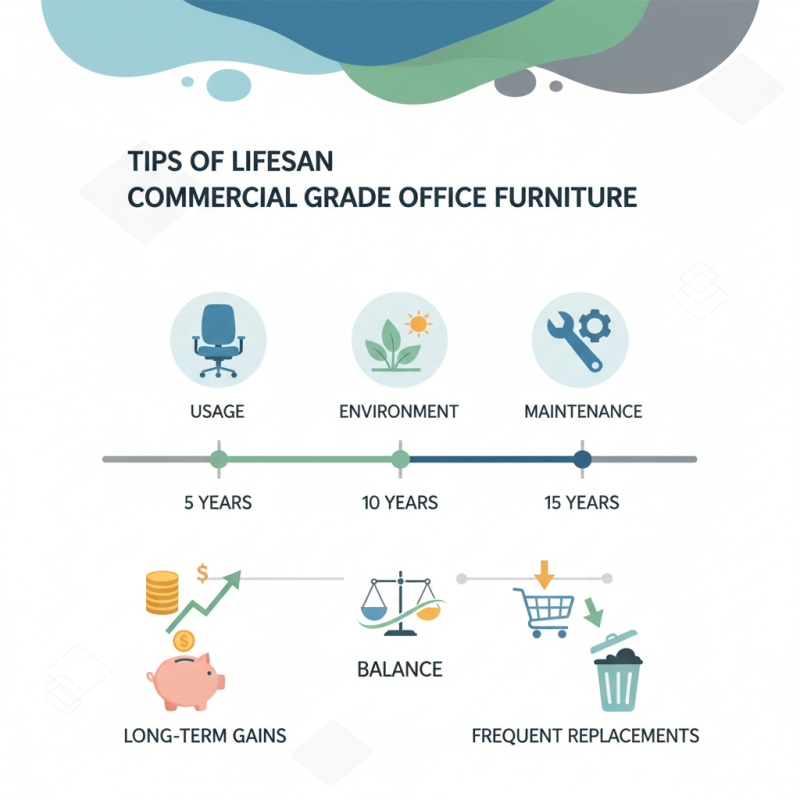
Commercial grade office furniture is not just about aesthetics. Its lifespan impacts budget planning and employee satisfaction. Typically, these pieces can last between five to fifteen years. However, factors like usage, environment, and maintenance can significantly affect this timeframe.

Investing in quality furniture can lead to significant long-term gains. Yet, businesses should also reflect on the cost of frequent replacements. Should they prioritize durability over trends? Finding the balance between style and sustainability is key. It’s essential to recognize that furniture choices today can influence workplace dynamics tomorrow.
Why is the Average Lifespan of Commercial Grade Office Furniture Important?

Importance of Understanding Commercial Grade Office Furniture Lifespan

Understanding the lifespan of commercial-grade office furniture is crucial for businesses. Quality furniture can significantly impact work efficiency. Employees spend countless hours at their desks. If the furniture is uncomfortable or worn out, it affects their productivity. A proper lifespan assessment helps businesses make informed purchases.

Commercial furniture is an investment. Typically, it lasts between five to ten years. However, various factors influence this lifespan. Heavy usage, environmental conditions, and material quality play significant roles. Choosing the right furniture based on these criteria can prevent premature replacement. Yet, many businesses overlook this aspect, leading to unnecessary costs.

Businesses should evaluate their specific needs. Furniture that fails to meet these can hinder employee morale. It’s important to conduct regular assessments. Does the furniture still meet ergonomic standards? Are there visible signs of wear? Awareness of these factors leads to better decision-making and long-term savings. Engaging with specialists can provide insights, helping businesses avoid common pitfalls in furniture selection.

Why is the Average Lifespan of Commercial Grade Office Furniture Important?
Furniture Type Average Lifespan (Years) Maintenance Cost per Year ($) Replacement Frequency (Years) Sustainability Indicator (1-5)
Desks 7 100 5 4
Chairs 5 50 3 4
Conference Tables 10 150 8 5
Cabinets 12 75 10 3
Reception Desks 7 120 5 4

Factors Affecting the Lifespan of Commercial Office Furniture

The lifespan of commercial office furniture significantly impacts businesses. Several factors influence this lifespan, including material quality, usage intensity, and maintenance practices. High-quality materials tend to last longer, but not all businesses can afford premium options. The everyday wear and tear from heavy use can shorten the life of even well-made pieces. Frequent rearrangements and heavy items can also contribute to quicker deterioration.

Environmental conditions play another critical role. Humidity and temperature fluctuations can warp materials over time. An office in a climate-controlled environment may see its furniture outlast that in less stable conditions. Regular maintenance, like cleaning and routine checks, can extend furniture life. However, many neglect these tasks, leading to unnecessary replacements.

Lastly, aesthetics matter too. Often, businesses prioritize style over durability. This can result in choosing trendy items that may not hold up in the long run. The desire for a fresh look may overshadow the need for practical choices. Striking a balance between design and durability is key but often overlooked in decision-making processes. Addressing these factors can help improve the longevity of office furniture and optimize investment.

Factors Affecting the Lifespan of Commercial Grade Office Furniture

Benefits of Investing in Long-Lasting Office Furniture

Investing in long-lasting office furniture offers numerous advantages that benefit both employers and employees. Durable furniture can resist wear and tear, saving money on frequent replacements. High-quality materials ensure that desks and chairs maintain their appearance and functionality over time. This leads to a professional atmosphere that can enhance productivity.

Comfort is another crucial factor. Well-designed furniture allows employees to work without strain. This can improve focus and reduce health issues, such as back pain. People spend hours sitting at their desks, so investment in their comfort is essential. Yet, it's important to recognize that not all long-lasting furniture is ergonomically perfect.

Additionally, choosing durable pieces supports sustainability. When furniture lasts longer, fewer resources are consumed for manufacturing and disposal. This reflects a commitment to environmental responsibility. Still, companies must reflect on whether they prioritize aesthetics over function. A beautiful but uncomfortable chair may lead to poor employee satisfaction. Balancing these elements results in a more efficient workplace.

Cost Implications of Short vs. Long Lifespan Furniture

The lifespan of commercial grade office furniture significantly impacts cost management for businesses. Research indicates that furniture with a lifespan of over ten years can reduce replacement costs by as much as 25%. Conversely, items with shorter life expectancies often lead to frequent expenditures. These costs accumulate, affecting overall budget allocations for other essential needs.

Investing in durable office furniture not only brings savings but also fosters a better workplace environment. A 2022 industry report from the Furniture Manufacturers Association highlights that well-maintained furniture retains 70% of its original value after five years. Poorly chosen, low-quality options often require early replacement, driving wasteful spending. Analyzing the total cost of ownership is crucial. Many companies fail to consider long-term implications, focusing more on upfront costs rather than the bigger picture.

Moreover, the environmental impact of furniture waste cannot be overlooked. Disposing of short-lived items contributes to landfill overcrowding. Companies are increasingly challenged to align with sustainability goals. As businesses strive to enhance their corporate responsibility, choosing furniture designed for longevity becomes a strategic priority. Balancing initial investment with future returns is essential for a thriving, responsible workplace.

Sustainability and Environmental Impact of Office Furniture Durability

The lifespan of commercial-grade office furniture is a crucial factor in understanding its sustainability. Furniture that lasts longer reduces the frequency of replacement. This means less waste in landfills and fewer resources consumed in manufacturing. Durable furniture helps minimize the carbon footprint associated with production and disposal.


Sustainability goes beyond just durability. It also involves the materials used in furniture production. Many companies are now focusing on environmentally friendly materials. These materials can significantly reduce the environmental impact of office furniture. However, not all options are perfect. Some eco-friendly materials may lack the durability needed for long-term use. This requires careful choice and consideration.


Organizations must also reflect on their purchasing habits. Sometimes, the allure of lower prices leads to poor-quality furniture. This often results in a cycle of waste and consumption. It’s important to weigh the initial costs against the long-term benefits of durable, sustainable options. Thoughtful investment can enhance office environments while promoting responsible consumption practices.

FAQS

: Why is understanding the lifespan of office furniture important?

: It helps businesses improve work efficiency and make informed purchases.

How long does commercial-grade furniture typically last?

It usually lasts between five to ten years, depending on various factors.

What factors influence the lifespan of office furniture?

Material quality, usage intensity, maintenance, and environmental conditions all play significant roles.

Can heavy use shorten the lifespan of furniture?

Yes, everyday wear and tear from heavy use can lead to quicker deterioration.

How do environmental conditions affect furniture longevity?

Humidity and temperature fluctuations can warp materials, impacting their lifespan.

Why is regular maintenance important for office furniture?

Routine cleaning and checks can extend furniture life, but many neglect these tasks.

Should businesses prioritize style over durability?

No, focusing too much on aesthetics can lead to poor long-term choices.

What can happen if furniture does not meet ergonomic standards?

It can hinder employee morale and negatively affect productivity.

How can businesses avoid common furniture selection pitfalls?

Engaging with specialists can provide valuable insights into better choices.

Is it essential to assess furniture condition regularly?

Yes, regular assessments ensure furniture still meets needs and standards.

Conclusion

Understanding what is the average lifespan of commercial grade office furniture is essential for businesses aiming to make informed purchasing decisions. The lifespan of such furniture can be influenced by various factors including materials, usage intensity, and design. By investing in long-lasting office furniture, companies can benefit from reduced replacement frequency, lower overall costs, and enhanced workplace aesthetics.

Moreover, the implications of choosing short-lived furniture can be significant, leading to increased expenses and environmental concerns. Durable office furniture not only supports sustainability efforts by minimizing waste but also aligns with a company's commitment to environmental responsibility. In summary, considering the average lifespan of commercial grade office furniture is vital for cost-effectiveness and ecological impact in the workplace.

Oliver

Oliver

Oliver is a seasoned marketing professional with a wealth of expertise in driving brand awareness and engagement. With a deep understanding of our company's product offerings, he consistently delivers high-quality content that enriches our professional blog. His insights not only shed light on......