2026 How to Choose the Best Commercial Sideboards for Your Needs?

Time:2026-03-30 Author:Amelia
0%

Choosing the right commercial sideboards can greatly impact your workspace's functionality. According to industry expert Sarah Bennett, "The best sideboards blend design with practical storage solutions." This statement emphasizes the importance of practicality when selecting furniture.

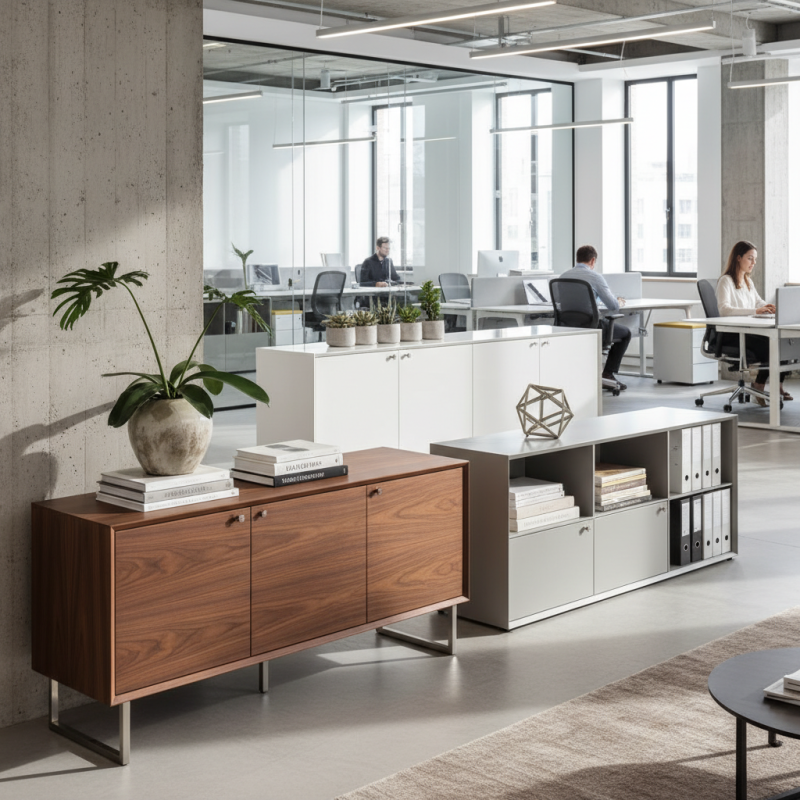
Commercial sideboards serve various purposes. They can enhance office aesthetics while providing essential storage. Consider your needs carefully. For instance, if your space is limited, opt for compact designs. Take into account the materials used; durability matters, especially in high-traffic areas.

Remember, not all commercial sideboards are created equal. Some may lack the stability you desire. Quality varies, and design trends shift. Reflect on what best suits your environment. Will it complement your style? Will it stand the test of time? Balancing aesthetics and function is key to making the right choice.
2026 How to Choose the Best Commercial Sideboards for Your Needs?

Understanding Commercial Sideboards: Key Features and Benefits

Commercial sideboards serve various purposes, from storage to enhancing decor. They are vital for businesses, especially in hospitality and retail sectors. According to a 2023 market analysis, the demand for stylish and functional sideboards has grown by 15% over the past two years. This demand reflects evolving consumer preferences for multifunctional furniture.


When selecting a sideboard, consider its key features. Storage capacity is crucial; a sideboard should meet your space needs effectively. An ideal option might have adjustable shelves for versatility. A report from the Furniture Industry Association states that over 70% of businesses prioritize durability. Materials should withstand daily use without compromising aesthetics.


A sideboard can also enhance workflow. Designs that facilitate easy access to supplies improve efficiency. However, many businesses still overlook the importance of ergonomics in furniture placement. Investing in a sideboard that offers both functionality and style can significantly impact productivity. Reassessing your choice annually is essential to adapt to changing needs and trends.

Assessing Your Space: Size and Layout Considerations for Sideboards

When selecting the right commercial sideboard, the dimensions of your space play a crucial role. A well-structured report from the American Institute of Architects suggests that over 50% of commercial spaces face layout challenges. To address these, focus on measuring the dimensions of your area accurately. A common mistake is underestimating the required clearances. Ideally, maintain at least three feet of open space around the sideboard for ease of movement.

Consider your existing layout when choosing a sideboard. For narrow spaces, slender designs may be more appropriate. Sideboards that are less than 15 inches in depth can fit well in tight corners. The National Kitchen and Bath Association reports that sideboards often occupy 25% of dining area layouts. This statistic highlights the importance of visual balance. If your sideboards dominate the space, it may lead to a cramped feeling.

Pay attention to the overall aesthetic. Choose colors and textures that complement your interior design. However, even with a perfect fit, one must reflect on functionality. Some sideboards offer limited storage, which could lead to clutter. It is essential to strike a balance between design and practicality to ensure long-term satisfaction in your choice.

2026 How to Choose the Best Commercial Sideboards for Your Needs? - Assessing Your Space: Size and Layout Considerations for Sideboards

Dimension Measurement (inches) Recommended Use Style Recommendation
Height 30-36 Dining Room Traditional
Width 60-72 Office Storage Modern
Depth 18-24 Entryway Organization Contemporary
Drawer Space 4-6 Living Room Storage Rustic
Weight Capacity 100-150 lbs Multifunctional Use Industrial

Material Matters: Choosing the Right Material for Durability and Style

When choosing a commercial sideboard, material is crucial for durability and style. Common materials include wood, metal, and laminate. The choice can significantly affect the furniture's longevity and visual appeal. According to a 2022 industry report, solid wood sideboards last 20% longer than their laminate counterparts. This durability makes them suitable for high-traffic areas like restaurants and offices.

Metal sideboards offer a sleek, modern look. They are resistant to scratches and spills, which is essential for busy environments. A survey indicated that 75% of businesses prefer materials that require minimal maintenance. However, metal can sometimes appear cold or industrial, which may not blend well with every interior design.

Tips: Consider your specific needs. If you need something robust, go for solid wood or metal. Laminate might be appealing due to its affordability but reflect on its long-term durability. Remember, the right sideboard should not only meet functional needs but also enhance the overall aesthetic of your space. Prioritize based on your environment's demands and your budget constraints.

Functionality vs. Aesthetics: Balancing Practical Use and Design

Choosing the right commercial sideboard is not just about looks. Aesthetic appeal is important, but functionality is crucial. The goal is to create a balance. You want a sideboard that fits your space and meets your practical needs.

Consider the room layout and the sideboard’s purpose. Will it store elegant dinnerware or serve as a display for promotional materials? The design should enhance the environment while being sturdy. Textures and colors can draw people in, yet they must also blend seamlessly with existing decor.

However, sometimes the most stylish options lack practicality. A beautiful finish might not withstand heavy use. Reflect on what you value more: looks or usability. Finding a sideboard that marries both can be challenging but rewarding. Explore different materials and styles, and don’t shy away from considering imperfections that add character.

Budgeting for Quality: How to Find Value in Commercial Sideboards

When looking for the best commercial sideboards, budgeting for quality should be at the forefront of your mind. It's tempting to go for the cheapest option, but this can lead to problems down the road. Cheaper materials wear out quickly. A quality sideboard is an investment that pays off in the long term. Look for sturdy materials that guarantee durability.

Tips: Always check the warranty. A good warranty signifies confidence in the product. Compare different models and their prices. This will help you to identify the best value for your investment. Additionally, consider the intended use of the sideboard. Will it hold heavy items? If so, ensure it has a robust design.

Think critically about what features matter to you. Some may prefer greater storage capacity. Others might prioritize aesthetics. Take your time to assess your needs. Reflect on your space and how the sideboard fits in. This can clarify what you truly need, helping you make a more informed choice. Remember, value isn't just about price, it's about satisfaction after purchase.

2026 Commercial Sideboards Budget Analysis

FAQS

: What is the primary function of commercial sideboards?

: Commercial sideboards provide storage and enhance the decor in businesses, particularly in hospitality and retail sectors.

How has the demand for sideboards changed recently?

There has been a 15% increase in demand for stylish and functional sideboards over the past two years.

What should I consider when selecting a sideboard?

Key factors include storage capacity, material durability, and how well it meets your space requirements.

Why is the layout of my space important for sideboards?

Measuring the space accurately helps avoid layout challenges. Clear movement space around the sideboard is vital.

How can sideboards improve workflow in a business?

Designs that allow easy access to supplies can enhance efficiency, though ergonomics are often overlooked.

What materials are commonly used for sideboards?

Popular materials include wood, metal, and laminate, each with unique durability and aesthetic features.

What makes solid wood sideboards a good choice?

Solid wood sideboards last 20% longer than laminate options, making them ideal for high-traffic areas.

Are there drawbacks to certain sideboard materials?

Metal sideboards can look cold and industrial, while laminate may not be as durable in the long run.

How important is it to reassess my sideboard choice annually?

Regular reassessment helps adapt to changing needs and trends, ensuring continued functionality and satisfaction.

What balance should I strike when choosing a sideboard?

Aim for a mix of design and practicality to avoid clutter while enhancing the space's overall look.

Conclusion

When selecting the best commercial sideboards for your needs, it's essential to understand their key features and benefits. A well-chosen sideboard not only enhances the aesthetics of your space but also provides functional storage solutions. Consider the size and layout of your area to ensure that the sideboard fits harmoniously within your environment.

Material choice plays a crucial role in the durability and style of commercial sideboards, with various options available that cater to different design preferences. Additionally, balancing functionality with aesthetics is vital; the sideboard should serve practical uses while also complementing the overall decor. Finally, budgeting properly will help you find high-quality commercial sideboards that offer both value and longevity, making them a worthwhile investment for your commercial space.

Amelia

Amelia

Amelia is a seasoned marketing professional with a wealth of expertise in our company’s core offerings. With an unwavering passion for driving growth and innovation, she plays a pivotal role in shaping our marketing strategies and enhancing brand visibility. A key aspect of her responsibilities......