Maintaining a sterile environment in hospitals is crucial. Recent studies highlight that up to 80% of hospital-acquired infections (HAIs) are linked to surfaces. One key area often overlooked is hospital furniture. Understanding how to clean and sanitize hospital furniture effectively is essential for infection control.
Proper cleaning methods not only contribute to patient safety but also to the overall efficiency of healthcare settings. Certain reports suggest that traditional cleaning methods miss vital areas, leaving pathogens to thrive. Hospital furniture, including beds, chairs, and tables, must undergo rigorous sanitization processes to mitigate these risks.
Furthermore, dedicated staff training on effective cleaning techniques is often inconsistent. This inconsistency can lead to residual contaminants, undermining efforts to maintain a safe environment. By employing evidence-based protocols, healthcare facilities can significantly reduce infection rates, ensuring both patients and staff are protected.
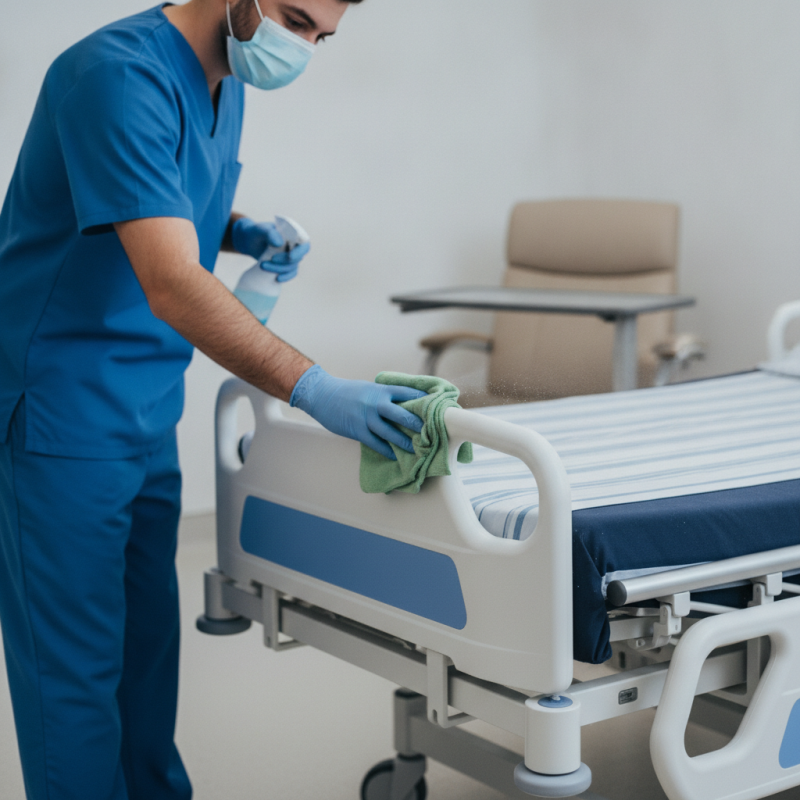
Cleaning and sanitizing hospital furniture is crucial for patient safety and overall health. This furniture often comes into contact with pathogens, making it a potential source of infections. Effective cleaning minimizes these risks and ensures a sterile environment, especially in high-traffic areas.
Routine cleaning protocols should include both physical cleaning and disinfection. Use proper disinfectants that are effective against germs. Focus on high-touch areas like bed rails, chairs, and tables. Regularly assess the effectiveness of cleaning methods. If a certain area continues to harbor dirt or grime, it might be time to rethink your cleaning strategy.
Tips: Always train staff on the latest cleaning techniques. Ensure that they understand the importance of personal safety while cleaning. A checklist can help track cleaning tasks and ensure nothing is overlooked. Regular audits of cleaning processes can uncover areas needing improvement, thus enhancing the overall effectiveness of sanitization practices in the hospital setting.
Cleaning and sanitizing hospital furniture is crucial for maintaining health standards. Different types of furniture require attention. Hospital beds, for instance, are a hotspot for pathogens. A study shows that around 30% of hospital-acquired infections are linked to contaminated surfaces. Regular cleaning can significantly reduce this risk.
Another important item is waiting room chairs. They are frequented by many patients and can harbor harmful bacteria. Research indicates that high-touch surfaces, like armrests, can carry up to 100 times more germs than regular surfaces. It’s essential to use effective disinfectants that can kill 99.9% of germs on these surfaces.
Medical carts also deserve focused cleaning efforts. They transport supplies and can cross-contaminate areas. A report found microbial counts can double in areas where carts frequently operate. Regular sanitization is key. Cleaning schedules should be adapted based on use frequency and patient turnover. This approach fosters a safer environment for all.
| Type of Furniture | Cleaning Frequency | Recommended Cleaning Agents | Sanitization Method |
|---|---|---|---|
| Patient Beds | Daily | Disinfectant wipes, Hydrogen peroxide solution | Wipe down surfaces thoroughly, focus on high-touch areas |
| Wheelchairs | After each use | Soap and water, Alcohol-based disinfectants | Spray and wipe down all surfaces |
| Exam Tables | After every patient | Bleach solution, Multi-surface disinfectants | Spray and allow to sit for recommended time before wiping |
| Medical Carts | Weekly | Alcohol wipes, Antimicrobial spray | Wipe all surfaces and allow to air dry |
| Waiting Room Chairs | Daily | Vinyl cleaner, Disinfectant sprays | Spray and wipe down, focusing on armrests and seats |
When it comes to cleaning and sanitizing hospital furniture, selecting the right cleaning agents and sanitizers is crucial. Effective cleaning can eliminate harmful pathogens that linger on surfaces. According to a report by the World Health Organization, approximately 15% of patients acquire infections while hospitalized, often due to contaminated surfaces.
Using disinfectants based on quaternary ammonium compounds (quats) or hydrogen peroxide can significantly reduce microbial loads. Studies indicate that quats can achieve a 99.9% reduction of common hospital pathogens when used properly. However, attention must be paid to contact time; many sanitizers require surfaces to remain wet for specific durations to be most effective.
Despite the effectiveness of these agents, challenges remain. Some surfaces may become damaged if improper cleaners are used. For instance, harsh chemicals can corrode metal components. Moreover, cleaning frequency often falls short; many hospitals fail to meet recommended cleaning protocols. This can lead to serious health consequences. Ongoing training for staff in proper sanitization practices is essential for successful implementation.
Cleaning hospital furniture is crucial for maintaining a safe environment. To begin, gather all necessary supplies: disinfectants, microfiber cloths, gloves, and brushes. Wear gloves to protect your hands from chemicals. Begin with a visual inspection. Look for stains, dirt, or wear. This helps identify areas needing extra attention.
Start the cleaning process with surfaces that are frequently touched, like armrests and tabletops. Use a microfiber cloth soaked in the disinfectant solution. Wipe down these areas thoroughly. Pay attention to seams and crevices where dirt can hide. It’s easy to overlook these details, which can lead to bacteria build-up. For upholstered furniture, use a vacuum with an upholstery attachment. This removes dust and debris from fabric.
After cleaning, allow surfaces to air dry. This ensures the disinfectant works effectively. Regular training for staff on cleaning techniques is vital. Many may forget proper methods over time. Continuous reflection on these practices can lead to improvements. Cleaning is not just a task; it requires diligence and attention to detail.
Cleaning and sanitizing hospital furniture is crucial for patient safety. Regular maintenance helps reduce infection risks.
Furniture in waiting areas, patient rooms, and treatment spaces needs attention. It's not just about wiping surfaces; it requires a structured approach.
Daily cleaning should focus on high-touch areas like armrests and tabletops.
Weekly deep cleaning is also essential. This includes disinfecting all surfaces with approved agents. Staff should pay special attention to fabrics and cushions, which can harbor germs.
Proper training on cleaning techniques improves efficiency. Remember, old stains or tears in upholstery can compromise hygiene standards.
Evaluate the cleaning process regularly. Are protocols being followed? Feedback from staff can provide insights.
Continuous improvement is key in maintaining hospital environments. Engaging all team members fosters a culture of cleanliness.
Regular assessments ensure the effectiveness of cleaning practices.
: It helps maintain health standards and reduces the risk of infections.
Hospital beds, waiting room chairs, and medical carts require frequent sanitization.
They harbor bacteria and can carry many more germs than regular surfaces.
Disinfectants based on quats and hydrogen peroxide can significantly reduce pathogens.
Conduct a visual inspection to identify stains, dirt, and areas needing extra attention.
Ongoing training and continuous reflection on practices can enhance staff performance.
Many hospitals fail to meet recommended cleaning frequencies, risking health.
It allows the solutions to work effectively against harmful pathogens on surfaces.
Use a vacuum with an upholstery attachment to remove dust and debris.
They can damage surfaces and lead to corrosion of metal components.
Cleaning and sanitizing hospital furniture is crucial for maintaining a safe and hygienic environment in healthcare settings. Effective cleaning prevents the spread of infections and protects both patients and healthcare staff. The types of hospital furniture that require regular cleaning include beds, chairs, and waiting area furniture, all of which can harbor harmful pathogens. To clean and sanitize these items effectively, it is essential to utilize recommended cleaning agents that are both safe and effective for hospital use.
To understand how to clean and sanitize hospital furniture effectively, one should follow a systematic step-by-step process. This includes preparing the cleaning solution, ensuring proper protective gear is worn, thoroughly cleaning surfaces, and applying sanitizers as per the guidelines. Moreover, adhering to best practices and establishing a regular maintenance frequency ensures that hospital furniture remains clean and minimizes risks of infection within the facility. Regular training for staff on these procedures can further enhance overall hygiene standards in hospitals.

Layanaa Furniture