How to Design a Collaborative Workspace with Modern Furniture?

Time:2026-05-09 Author:Madeline
0%

In today's fast-paced work environment, understanding how to design a collaborative workspace with modern furniture is essential. Recent studies indicate that well-designed collaborative spaces can boost team productivity by up to 25%. Industry experts emphasize the importance of flexibility and comfort in office design. John Smith, a leading office design consultant, stated, "Modern furniture must cater to collaboration while ensuring ergonomic support."

Creating a space that promotes teamwork involves selecting the right furniture that fosters communication. Open layouts combined with movable furniture allow for dynamic interactions. However, the challenge remains in balancing aesthetics with functionality. Not all designs facilitate collaboration effectively, and choices need careful consideration.

Implementing modern furniture can transform workspaces but requires an understanding of employee needs. Innovation in office design is not just about trendy pieces. It's about thoughtful integration that can sometimes feel overwhelming. Striking the right balance is key. As we explore how to design a collaborative workspace with modern furniture, these factors will guide us toward more effective and engaging environments.
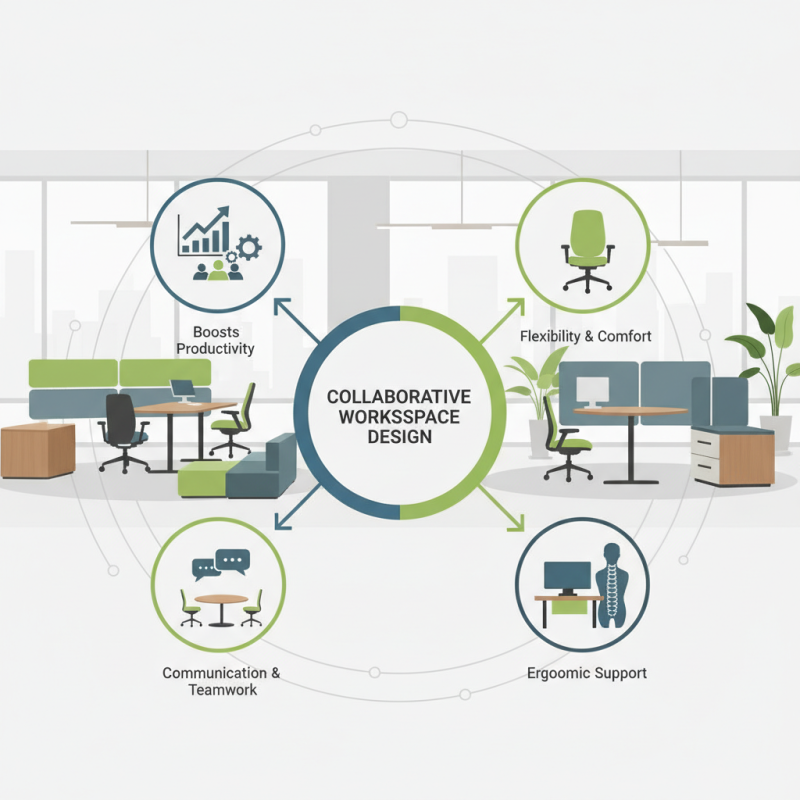
How to Design a Collaborative Workspace with Modern Furniture?

Understanding the Principles of Collaborative Workspace Design

Creating a collaborative workspace involves understanding how design influences interaction. The goal is to foster creativity and teamwork. A well-designed space encourages communication among team members. This means considering layout, furnishings, and overall atmosphere.

Open layouts are popular for collaboration. They allow easy movement and visibility. However, they can also create distractions. Finding a balance is key. Small breakout areas can provide a place for focused discussions. These spaces should be equipped with comfortable seating and writable surfaces. Such details can enhance engagement and idea sharing.

Selecting the right furniture is equally important. Pieces that are modular can be rearranged based on team needs. While flexibility is useful, it requires thoughtful planning. It's essential to consider acoustics. Noise can disrupt collaboration. Incorporating sound-absorbing materials might be necessary. Reflecting on these elements ensures your workspace truly supports collaborative efforts.

How to Design a Collaborative Workspace with Modern Furniture? - Understanding the Principles of Collaborative Workspace Design

Design Element Description Benefits
Flexible Workstations Movable desks and seating arrangements that can be adapted for different tasks. Promotes adaptability and comfort, catering to diverse working styles.
Collaborative Zones Dedicated areas with furniture designed for teamwork, such as lounges and meeting pods. Encourages teamwork and interaction among employees.
Ergonomic Furniture Furniture designed to support the body comfortably, reducing strain. Enhances employee well-being and productivity.
Technology Integration Incorporating tech solutions like video conferencing tools into furniture design. Facilitates seamless communication and collaboration.
Acoustic Panels Sound-absorbing panels integrated into the workspace to reduce noise levels. Improves focus and overall workplace atmosphere.

Choosing Modern Furniture for Enhanced Collaboration

Creating a collaborative workspace involves selecting modern furniture that fosters communication and teamwork. Open-plan desks can encourage interaction. However, they may sometimes lead to distractions. Balance is essential. Consider integrating movable desks. They allow for flexibility in workspace arrangements.

Tips: Choose furniture with muted colors to avoid overwhelming the senses. Bright colors can stimulate creativity but may also distract. Having soft seating areas can encourage informal discussions. This setup invites collaboration while providing spaces for quiet reflection.

Another important aspect is technology integration. Collaborative workspaces often feature shared screens and charging stations. Ensure that furniture allows for easy access to these tech tools. An ideal design includes power outlets within reach to keep everyone connected. However, too much tech can overwhelm users, so streamline your approach to avoid chaos.

Layout Strategies to Foster Team Interaction and Creativity

Designing a collaborative workspace involves careful consideration of layout strategies. Creating spaces that encourage team interaction can significantly enhance creativity. Open layouts are often popular. They minimize barriers, making communication easier. However, they can also lead to distractions. It’s essential to balance openness with areas for focused work.

Incorporating flexible furniture can stimulate creativity. Movable tables and chairs allow teams to rearrange spaces based on their needs. However, without proper organization, this can lead to chaos. Establishing zones for different activities can help. A lounge area for informal meetings might spark innovative ideas. Meanwhile, quiet zones can provide necessary privacy.

Natural light plays a crucial role too. It boosts mood and energy levels. Spaces near windows can become hubs of collaboration. Yet, too much exposure can cause glare, hindering productivity. It’s a challenge to find the right balance. Collecting feedback from the team can guide adjustments in real-time. By being open to change, the workspace can evolve to better suit its users.

Collaboration Space Usage by Furniture Type

Incorporating Technology in Collaborative Furniture Solutions

Technology plays a vital role in designing collaborative workspaces. Integrating advanced tech solutions can enhance interaction and productivity. Smart desks, for instance, adjust to users’ needs. They allow for comfortable standing or sitting options. This flexibility caters to diverse working styles. Additionally, shared screens promote seamless communication among team members.

Wireless charging stations are essential in a tech-centric workspace. They reduce clutter and ensure devices are always powered. However, incorporating technology doesn't come without challenges. Not all workers adapt easily to new tools. Some may feel overwhelmed by constant changes. Ensuring proper training is crucial for maximizing tech benefits.

Collaborative furniture should also consider acoustics. Noise-canceling panels can help manage sound levels. However, these panels might not work for every environment. Spaces with open designs may present unique acoustic issues. It’s important to assess the specific needs of your team. Listening to feedback is essential in refining the workspace design. Finding the right balance between furniture and technology requires ongoing adjustments.

Creating Flexible Spaces for Adaptable Work Environments

Modern workplaces are evolving to meet the dynamic needs of employees. Flexible spaces play a crucial role in this transformation. According to a report by the International Facility Management Association, 74% of employees benefit from adaptable environments that encourage collaboration. Designing such spaces requires careful consideration of furniture choices and layouts.

To create effective flexible workspaces, prioritize mobility. Furniture on wheels can quickly adapt to various tasks, allowing teams to reconfigure areas for brainstorming sessions or quiet focus. Studies show that team performance can increase by 15% with the right collaborative layout. Natural light and greenery can enhance productivity too, fostering a healthier atmosphere.

Tip: Encourage open communication. Incorporate feedback loops to understand what your team needs. Regular adjustments can lead to a more satisfying workspace. KPMG found that organizations with highly engaged employees are 21% more profitable.

Emphasize comfort while remaining functional. Even if a space looks great, it must serve its purpose. Evaluate how often spaces are utilized. If areas sit unused, rethink their design. Adapting is essential as employee needs change, and flexibility can drive better outcomes.

FAQS

: What is the main goal of designing a collaborative workspace?

: The main goal is to foster creativity and teamwork through effective design.

How does an open layout affect collaboration?

Open layouts encourage communication but can also lead to distractions. Balancing is essential.

Why are breakout areas important in a workspace?

Breakout areas offer spaces for focused discussions, enhancing engagement and idea sharing.

What role does furniture play in workspace collaboration?

Modular furniture allows rearrangement for different needs. Thoughtful planning is needed to avoid chaos.

How can noise impact collaboration in an office?

Noise can disrupt collaboration. Using sound-absorbing materials may help create a quieter environment.

How does natural light influence workspace productivity?

Natural light boosts energy levels but too much can cause glare. Finding a balance is crucial.

What is a beneficial practice for workspace design?

Collecting team feedback helps to adjust spaces in real-time based on needs.

How can flexibility in a workspace be achieved?

Using movable furniture and adaptable layouts allows teams to reconfigure spaces easily for various tasks.

What should be considered when evaluating workspace usage?

Assess how often areas are utilized. If they remain empty, rethinking their design may be necessary.

Why is it important to adapt workspaces over time?

Employee needs change, and adapting ensures the workspace continues to support effective collaboration.

Conclusion

Designing a collaborative workspace with modern furniture involves an understanding of key design principles that enhance teamwork and creativity. Central to this is selecting the right furniture that promotes interaction among team members. By choosing adaptable and aesthetically pleasing pieces, organizations can create environments that not only encourage collaboration but also reflect contemporary design trends.

Effective layout strategies are essential to fostering communication and collaboration. Arranging furniture in open, flexible configurations allows for spontaneous interactions and brainstorming sessions. Additionally, incorporating technology into furniture solutions can further support teamwork by providing necessary tools for communication and project management. Ultimately, learning how to design a collaborative workspace with modern furniture means creating flexible spaces that can easily adapt to the evolving needs of teams, ensuring an engaging and productive work environment.

Madeline

Madeline

Madeline is a dedicated marketing professional with a wealth of expertise in our company's core offerings. With a keen understanding of the industry, she brings a unique perspective to her role, consistently delivering high-quality content that highlights the superior aspects of our products. As......