Creating a healing environment in hospitals is vital for patient recovery. One key aspect involves how to customize hospital furniture for patient comfort. Furniture plays a crucial role in patients’ experiences. Comfortable seating, adjustable beds, and supportive chairs can significantly impact their well-being.
When addressing customization, consider patients' diverse needs. For instance, elderly patients may require furniture that is easier to access. Young patients might prefer furniture with playful designs that can uplift their spirits. Involving healthcare professionals in the selection process is essential. Their expertise ensures that the furniture meets ergonomic standards and enhances overall comfort.
However, the customization process is not without its challenges. Budget constraints often limit choices. Additionally, trends in healthcare design shift over time. It can be difficult to balance aesthetics with functionality. Continuous feedback from patients can help refine choices and ensure efforts meet their needs. Thus, it's imperative to focus on how to customize hospital furniture for patient comfort while being open to evolving standards and preferences in the healthcare industry.
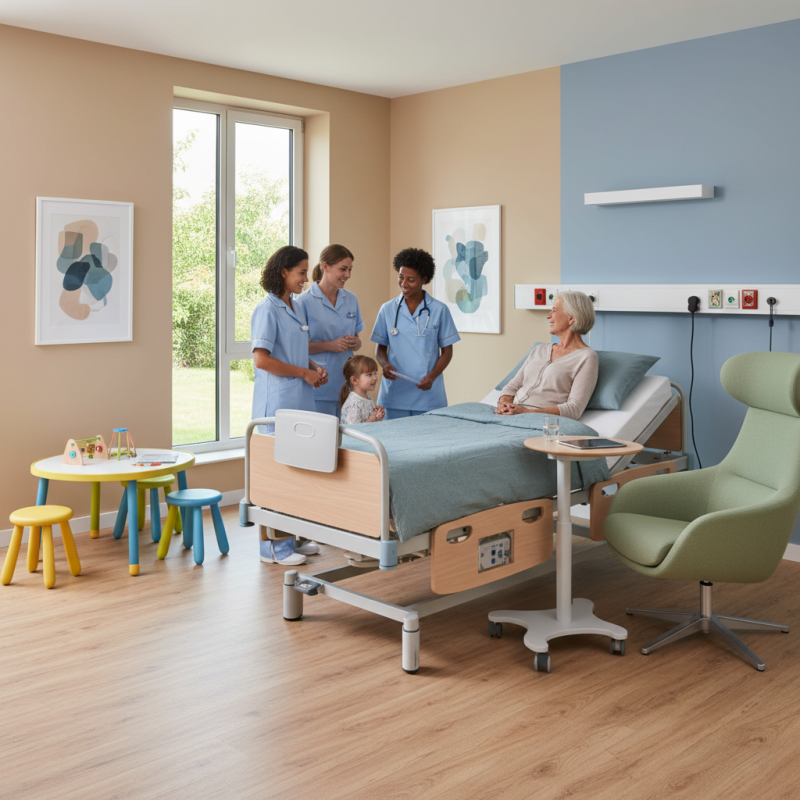
Patient comfort is crucial in healthcare settings. A comfortable environment can significantly impact recovery and well-being. Patients experience stress and anxiety during their stay. Thoughtful furniture design can mitigate these feelings. For example, adjustable beds enhance support, allowing patients to find a comfortable position. Soft, breathable fabrics also play a role in creating a welcoming atmosphere.
Accessibility is another critical aspect. Furniture must accommodate various mobility challenges. Wide chairs with armrests can aid in standing up. Proper height tables make it easier for patients to engage with care providers. Furthermore, the layout should allow for easy navigation. Cluttered spaces can lead to frustration and discomfort.
It is essential to listen to patient feedback. Their insights can highlight areas needing improvement. Sometimes, furniture that appears beneficial may not serve its purpose effectively. Regular assessments can help identify gaps in comfort. Design must evolve with changing patient needs. Adapting furniture accordingly is key to enhancing patient experiences in healthcare environments.
When it comes to enhancing patient comfort in hospitals, selecting the right furniture is crucial. Beds designed with adjustable heights and positions can greatly improve a patient’s experience. Recliners with soft fabric offer a cozy place for patients to rest. Positioning these pieces near windows can bring in natural light, creating a soothing atmosphere. It’s essential to choose materials that are easy to clean and maintain, as hygiene is a top priority.
Moreover, storage solutions should be within easy reach, reducing the need for patients to strain themselves. Side tables that can accommodate personal items can also help keep essential items close. Additionally, the use of sound-absorbing materials in furniture can minimize noise, contributing to a peaceful environment. However, it’s crucial to ensure that these elements do not hinder mobility or access for healthcare providers.
Also, consider the aesthetic impact of hospital furniture. Vibrant colors and welcoming designs can make the space feel less institutional. Yet, not all designs may be practical for every hospital environment. Careful consideration must be given to the unique needs of different patient populations. Ultimately, the goal is to create a balance between comfort, functionality, and safety.
Hospital furniture plays a crucial role in patient comfort and recovery. According to a study by the American Hospital Association, well-designed furniture can reduce patient anxiety levels by up to 25%. Comfortable seating and adjustable beds can improve rest, essential for healing. Utilizing soft, breathable materials can enhance the tactile experience, making patients feel more at ease.
Design aspects should focus on both functionality and aesthetics. For example, biophilic design principles suggest incorporating natural elements, like plant motifs or earthy colors, which can lead to a calming atmosphere. Research indicates that environments enriched with natural aesthetics can speed up recovery times. However, not all designs meet these criteria. Some hospital chairs lack proper lumbar support, leading to discomfort during prolonged use.
Material selection is equally significant. Medical-grade upholstery that resists stains and is easy to clean reduces infection risks. However, it's vital to balance durability with comfort. Some hard plastics may offer longevity but can feel cold and uninviting. Providing a mix of surfaces might be more beneficial, creating a warmer environment for patients. Thoughtful customization of hospital furniture can greatly enhance well-being, yet continual reflection on patient feedback is necessary to ensure it meets evolving needs.
Customization of hospital furniture plays a crucial role in patient comfort. Incorporating ergonomics is essential for this process. Research reveals that well-designed furniture can enhance patient satisfaction by up to 30%. That’s a significant figure when considering the impact on recovery rates and overall well-being.
Furniture that adapts to individual needs contributes to a better hospital experience. For example, adjustable beds allow patients to find their preferred position. Ergonomic chairs maintain proper posture, reducing strain during long waiting periods. According to studies, proper seating can reduce pressure ulcers by nearly 20%. Yet, many hospitals still overlook basic ergonomic principles.
Reflection is necessary in the customization process. Many hospitals miss the mark by using standard designs that don’t consider diverse patient needs. Improving comfort is not just about aesthetics; it’s about functionality. Small adjustments can yield major improvements. It’s vital to involve patients in feedback loops. Their insights can significantly drive better design choices.
| Furniture Type | Key Features | Ergonomic Considerations | Comfort Rating (1-10) |
|---|---|---|---|
| Hospital Bed | Adjustable height, side rails, pressure relief mattress | Adjustable positions to minimize strain | 9 |
| Patient Chair | Reclining feature, easy access armrests | Supports diverse seated positions | 8 |
| Overbed Table | Height adjustable, easy to clean surface | Improves accessibility for patients | 7 |
| IV Pole | Swivel base, height adjustable | Easy maneuverability to reduce hassle | 8 |
| Bedside Locker | Multiple storage options, portable | Promotes organization and easy access to essentials | 7 |
Engaging staff and patient feedback is crucial in customizing hospital furniture. Studies indicate that patient satisfaction correlates with comfort. A recent survey revealed that 78% of patients preferred adjustable beds, highlighting the importance of personalized solutions.
Staff input can drive practical design choices. They witness firsthand how furniture impacts patient care. For instance, ergonomic furniture can reduce staff injuries and boost efficiency. A study showed that 65% of nurses reported less strain with well-designed chairs. This perspective is vital in creating a healing environment.
However, integrating feedback can be challenging. Some staff members may hesitate to share their views. Additionally, patient preferences can vary widely, complicating design decisions. It’s essential to foster open channels for feedback. Regular workshops can bridge the gap between staff experiences and patient needs. Engaging stakeholders in this process creates furniture that truly enhances comfort and care quality.
: Beds with adjustable heights and positions greatly improve patient experience. They allow for personalized comfort.
Positioning recliners near windows can bring in natural light, contributing to a peaceful environment for recovery.
Easy-to-clean materials are essential, as maintaining hygiene is a top priority in healthcare settings.
Ergonomic furniture can reduce strain for both patients and staff, promoting comfort and efficiency during care.
Vibrant colors and welcoming designs can make hospital spaces feel less institutional and more comforting to patients.
Engaging patient feedback is crucial; it helps tailor furniture to meet individual needs for enhanced comfort.
Not all chairs provide proper lumbar support, which can lead to discomfort during prolonged use in hospitals.
Incorporating elements like plants or earthy colors can enrich the environment and aid in faster recovery times.
Some staff may hesitate to share their opinions, complicating the integration of their insights into design decisions.
It's essential to balance durability with comfort; hard materials may last longer but can feel cold and uninviting.
In addressing how to customize hospital furniture for patient comfort, it's essential to understand the significant role that comfort plays in healthcare settings. Comfort not only enhances the patient experience but also contributes to better recovery outcomes. Key features such as adjustable beds, supportive seating, and easy-to-clean surfaces are fundamental for improving patient well-being.
Moreover, the choice of materials and designs should prioritize both aesthetics and functionality, promoting a calming environment. Incorporating ergonomic principles ensures that furniture supports the physical needs of patients while also considering the dynamics of space within healthcare facilities. Engaging feedback from both staff and patients during the design process can yield valuable insights, resulting in customized furniture solutions that genuinely enhance patient comfort and satisfaction.

Layanaa Furniture