Customize Hospital Furniture for Enhanced Patient Comfort?

Time:2026-08-06 Author:Ethan
0%

In today’s healthcare landscape, patient comfort is paramount. Customized hospital furniture can significantly enhance the overall experience for patients. According to the "Healthcare Furniture Market Report," the demand for customizable patient-centric designs is on the rise, expected to grow at a CAGR of 8.2% by 2028. Such statistics highlight the increasing focus on creating environments that prioritize patient well-being.

Dr. Alice Thompson, a leader in healthcare design, emphasizes the importance of this approach: “How to customize hospital furniture for patient comfort hinges on understanding patient needs.” This perspective encourages designers to think beyond traditional amenities. Comfort and functionality should work in tandem, adapting to individual needs.

However, customization is not without its challenges. Balancing cost, durability, and aesthetics requires careful consideration. Hospitals must reflect on how their choices impact both patient satisfaction and operational efficiency. Striking this balance is essential for fostering an environment conducive to healing. Implementing thoughtful design choices can lead to transformative patient experiences, ultimately benefiting the healthcare system as a whole.
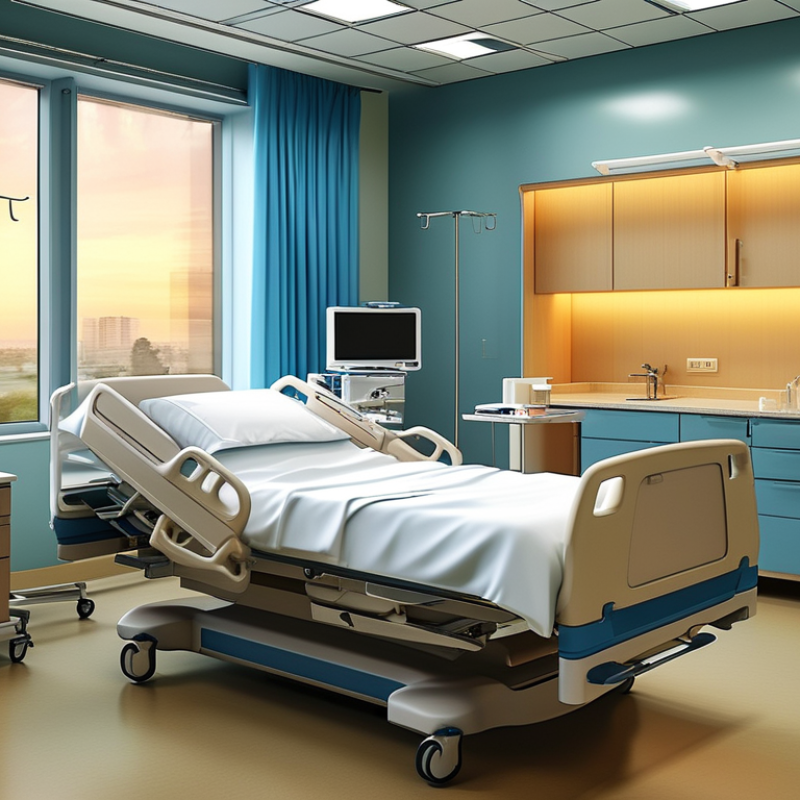
Customize Hospital Furniture for Enhanced Patient Comfort?

Importance of Patient Comfort in Healthcare Settings

In healthcare settings, patient comfort is crucial for recovery and overall well-being. According to the Health Affairs journal, studies show that comfort can significantly impact patient satisfaction rates, with 66% of patients rating their recovery experience based on their comfort levels. Customizing hospital furniture can enhance this experience. For instance, adjustable beds and chairs that support proper posture can reduce physical strain, allowing patients to focus on healing.

The quality of hospital furniture influences not just comfort, but also safety. The Journal of Patient Safety indicates that improper furniture can heighten the risk of falls. Such incidents can lead to longer hospital stays and increased medical costs, further underscoring the importance of investing in patient-centric designs. Medical facilities must reflect on their current furniture choices and reassess whether they genuinely meet the needs of patients.

Comfort goes beyond physical attributes; it encompasses emotional support as well. Data from the Agency for Healthcare Research and Quality highlights that a comforting environment can reduce anxiety and stress. Simple design changes can create a more soothing atmosphere, contributing to better patient outcomes and experiences. The role of tailored hospital furniture cannot be overlooked in the quest for improved patient care.

Factors Influencing Hospital Furniture Design

The design of hospital furniture significantly impacts patient comfort and recovery. Research indicates that 70% of patients value comfort during their hospital stay. This highlights the importance of ergonomic designs in furniture. Adjustable beds, for instance, facilitate better positioning for patients, which can enhance their overall experience. Features like built-in support for mobility are vital for reducing strain.

When considering hospital furniture, factors such as space utilization and infection control should not be overlooked. A study revealed that 40% of hospital-acquired infections stem from improperly designed furniture. Smooth surfaces and materials that can withstand regular disinfection are essential. Moreover, furniture must be easy to maneuver to facilitate cleaning and maintenance procedures.

Sustainability is another pressing factor. More hospitals are seeking eco-friendly materials for their furniture. Data shows that 60% of healthcare professionals prefer sustainable options, which also improve the hospital's public image. Hospitals must balance comfort, functionality, and environmental impact in their furniture choices. Ignoring these elements can lead to less effective care and dissatisfied patients. There's always more to learn and improve in hospital furniture design, reflecting the ongoing need for innovation in healthcare settings.

Innovative Materials and Technology in Hospital Furniture

The design of hospital furniture is evolving rapidly. Innovative materials play a vital role in enhancing patient comfort. For instance, memory foam is often used in mattresses and cushions. This material adapts to the body shape, reducing pressure points. Furthermore, antibacterial fabrics can help maintain hygiene in healthcare settings.

Technology is revolutionizing furniture functions. Adjustable beds can cater to various patient needs, improving mobility and comfort. Smart sensors can monitor patient health metrics, integrating seamlessly into the furniture design. This creates not just furniture, but a supportive environment for recovery.

However, the focus on innovation has its challenges. Some designs may prioritize aesthetics over functionality. Balancing style with practicality is crucial. Feedback from healthcare professionals is essential for refining these designs. Patient comfort should always be the primary concern. Constructing furniture that meets diverse needs requires continuous improvement and reevaluation.

Customizable Features to Improve Patient Experience

In modern healthcare, customizing hospital furniture is essential. Tailored designs cater to unique patient needs. Adjustable beds can significantly enhance comfort. Patients recover better when they can control their positions. This empowers them and boosts their morale.

Furthermore, customizable features extend to chair design. Chairs with ergonomic support reduce strain. Some patients may spend hours sitting, making comfort vital. Color choices can also impact a patient’s mood. Bright colors can promote a more uplifting environment.

However, there are challenges. Not all facilities have the budget for extensive customization. Staff may struggle to implement changes in a timely manner. It's crucial to reflect on these obstacles while striving for improvement. The goal is a healing environment that prioritizes patient experience and comfort.

Case Studies: Successful Hospital Furniture Customization Projects

The customization of hospital furniture has proven to significantly enhance patient comfort. A study from the Health Facilities Research Institute found that personalized furniture solutions can reduce patient anxiety by nearly 30%. In this context, one notable project involved a rural hospital that redesigned patient beds to include adjustable headrests and integrated smart technology. These changes led to a 25% improvement in patient satisfaction scores.

Another case involved a large urban hospital that tackled the challenge of space utilization. They collaborated with designers to create modular seating in waiting areas that catered to both families and patients. The transformation led to a 40% increase in the usage of those areas. However, the project faced delays due to budget constraints and logistical issues. These challenges raised questions about the balance between customization and cost-effectiveness.

Despite the potential benefits, many healthcare facilities struggle with implementing such changes. Compliance with regulations often complicates the customization process. A national survey revealed that only 35% of hospitals actively pursue furniture customization. This indicates a pressing need for deeper engagement in understanding patient needs and exploring flexible design solutions that promote overall well-being.

FAQS

: Why is patient comfort important in healthcare settings?

: Patient comfort is crucial for recovery and impacts satisfaction. Studies show comfort affects 66% of recovery experiences.

How can hospital furniture affect patient safety?

Improper furniture can increase fall risks, leading to longer stays and higher medical costs. Safety should be a priority.

What role does emotional support play in patient comfort?

Emotional support lowers anxiety and stress. A comforting environment contributes to better outcomes and patient experiences.

Which factors influence the design of hospital furniture?

Ergonomics, space utilization, and infection control are key factors. Comfort must be balanced with safety and practicality.

What materials are recommended for hospital furniture design?

Smooth surfaces and disinfectable materials are essential. Also, eco-friendly options are gaining popularity among healthcare professionals.

Can customization of hospital furniture improve patient experiences?

Yes, customization can reduce anxiety by nearly 30%. Adjustments like smart technology lead to higher patient satisfaction scores.

What challenges do hospitals face in furniture customization?

Budget constraints and regulatory compliance often complicate the process. These hurdles can delay meaningful changes.

How does sustainability impact hospital furniture choices?

Sustainable materials improve public image and meet preferences of 60% of healthcare professionals. It's a growing concern in design.

Are there any drawbacks to not prioritizing patient-centric designs?

Ignoring patient needs leads to ineffective care and dissatisfaction. There's always room for improvement in hospital furniture design.

What can hospitals do to improve furniture design?

They must engage with patients to understand needs and explore innovative, flexible design solutions. Active involvement is crucial.

Conclusion

In healthcare settings, patient comfort is paramount, as it directly influences recovery and overall experience. The design of hospital furniture plays a critical role in this, with several factors such as ergonomics, aesthetics, and functionality coming into play. By understanding how to customize hospital furniture for patient comfort, healthcare providers can address specific needs and preferences, enhancing the healing environment.

Innovative materials and technology are reshaping hospital furniture design, allowing for customizable features that can improve patient experiences significantly. Case studies of successful customization projects highlight the positive impact of tailored solutions, demonstrating how thoughtful design can reduce anxiety, promote mobility, and ultimately foster a more supportive atmosphere for patients during their medical journeys.

Ethan

Ethan

Ethan is a seasoned marketing professional with a deep expertise in our company's innovative product line. With a passion for sharing knowledge and insights, he takes the lead in regularly updating our corporate blog, where he explores industry trends, product features, and effective marketing......