Choosing the right furniture for a laboratory layout is crucial for efficiency and safety. Experts like Dr. Jane H. Roberts, a leading laboratory design consultant, emphasize, "Furniture selection impacts workflow and safety in any lab setting." Understanding how to choose the right furniture for a laboratory layout involves assessing specific needs and goals.
Laboratory furniture must promote ergonomics and functionality. A well-planned layout can reduce clutter and enhance productivity. However, this often requires balancing aesthetics with practicality. Many facilities overlook the importance of adjustable workstations, which can significantly improve user comfort.
Flexibility in furniture design is essential. Portable tables and movable shelves allow for easy reconfiguration. Despite advancements, some labs still struggle with fixed layouts that hinder collaboration. Addressing these challenges can lead to improved outcomes. It’s vital to regularly evaluate furniture choices to adapt to evolving research needs and team dynamics.
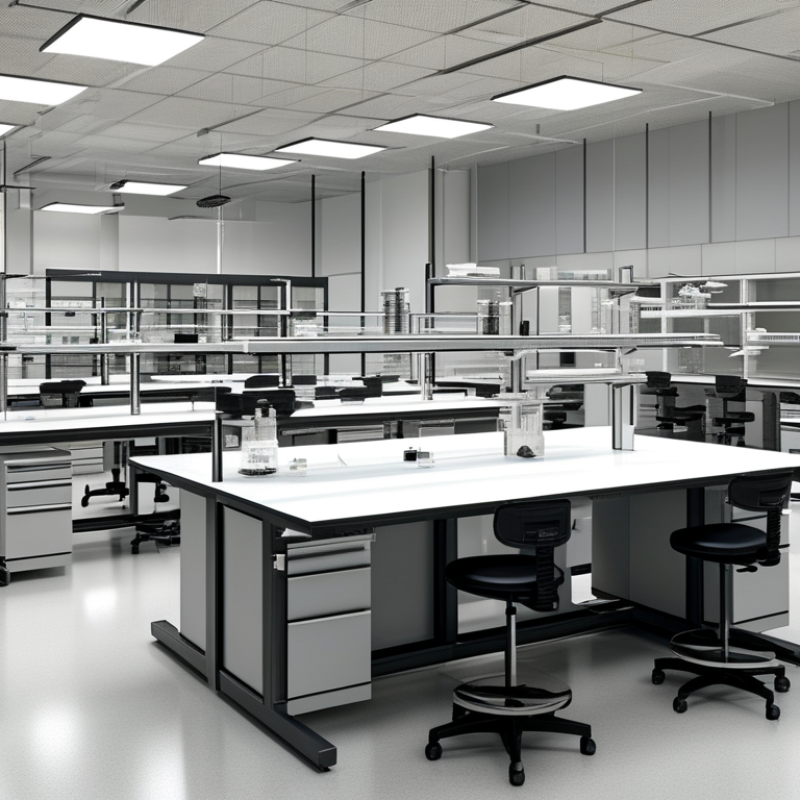
When designing a laboratory space, understanding its functional requirements is crucial. Different laboratories serve varying purposes, from research to quality control. Each function dictates the type of furniture needed. For example, a cleanroom requires specialized workbenches, while a chemistry lab may need acid-resistant surfaces. Assessing these specific needs helps determine the right fit.
Consider the flow of movement. Equipment should be positioned to minimize congestion. This allows staff to work efficiently. For larger items, such as microscopes or centrifuges, ensure they are easily accessible. However, sometimes there is a mismatch between furniture and workflow. This may lead to frustration and reduced productivity.
Storage solutions also play a vital role in functionality. Cabinets should align with the type of materials being used. If hazardous substances are stored, proper containment is essential. Think about the balance between accessibility and safety. Reflection on these elements ensures your layout meets the necessary requirements and enhances productivity.
When selecting laboratory furniture, understanding the market options is crucial. The diversity of laboratory furniture includes workbenches, storage units, and seating designed specifically for scientific tasks. Research shows that ergonomic workbenches can reduce strain and enhance productivity by 30%. Therefore, evaluating each option based on your laboratory's unique needs is vital.
Many institutions overlook the importance of quality materials. Furniture made from durable, non-porous surfaces can withstand harsh chemicals. According to industry reports, only 45% of laboratories prioritize high-quality finishes. This lack of attention can lead to premature wear and increased costs over time. Consider how easy it is to clean and maintain each piece.
Tip: Always test furniture before purchase. Sit at different workstations and feel the comfort level. Assess if you have adequate storage for instruments and chemicals. Prioritize modular designs; they adapt better to evolving lab layouts. A flexible approach will save you time and resources in the long run. Remember, thoughtful decisions about laboratory furniture today will yield long-term benefits for your research environment.
| Furniture Type | Material | Features | Best Use | Price Range |
|---|---|---|---|---|
| Lab Benches | Steel / Laminated | Durable, Chemical-resistant | Research labs, Testing | $300 - $800 |
| Fume Hoods | Steel / Glass | Ventilated, Safety features | Chemical handling, Experiments | $1,000 - $5,000 |
| Storage Cabinets | Metal / Wood | Secure, Adjustable shelving | Storing chemicals, Equipment | $200 - $1,000 |
| Work Tables | Wood / Metal | Height-adjustable, Mobile | General lab work, Collaboration | $150 - $800 |
| Stools & Chairs | Plastic / Metal | Ergonomic, Adjustable height | Seating for lab work | $50 - $300 |
Choosing suitable furniture for a laboratory is crucial. Ergonomics and safety should be top priorities. Well-designed furniture enhances productivity and reduces the risk of injury. A comfortable workspace minimizes strain. This is essential for long hours of use.
When selecting laboratory furniture, assess desk height and chair ergonomics. Ensure the desk accommodates standing and sitting positions. Chairs should support the lower back. Adjustable options offer flexibility for various users.
**Tips:** Check if furniture materials are resistant to spills or chemicals. Sliding drawers and smooth surfaces can prevent accidental injuries.
Safety considerations also matter. Stable furniture prevents tipping during use. Ensure that walkways are clear for easy access. Regularly inspect furniture for wear and tear. This can help maintain a safe environment.
**Tips:** Encourage a routine for checking furniture stability. Identify potential risks in furniture arrangements. Being proactive can prevent accidents.
Designing a laboratory for flexibility and future growth is crucial. As the needs of research evolve, so must the layout. A recent report by the International Laboratory Furniture Association states that 65% of laboratories require redesign within five years due to changing technology and research demands. This statistic highlights the need for adaptable furniture solutions.
Modular furniture can play a significant role in achieving flexibility. It allows for quick reconfiguration in response to new projects or advancements. For instance, mobile workstations can be repositioned as needed, ensuring efficient use of space. Investing in adjustable shelving and movable benches can accommodate various research workflows. Such choices not only enhance current productivity but also prepare the lab for future expansions.
Planning for future growth also involves considering the integration of technology. A survey by the National Institute of Standards and Technology indicates that 70% of laboratory professionals believe that smart lab technologies will redefine layouts in the next decade. Installing furniture that supports technology infrastructure is essential. While it may require upfront investment, it fosters a lab environment that evolves with scientific advancements. Ignoring these trends may lead to outdated setups, constraining research innovation.
When budgeting for laboratory furniture, it’s essential to prioritize quality without overspending. Begin by assessing your space needs. Measure the layout precisely to determine how much furniture you can accommodate. Poor planning can lead to overcrowded spaces or underutilized areas.
Tips: Consider modular furniture designs. They offer flexibility and can adapt to changing needs. This choice can save costs in the long run.
Research suppliers thoroughly. Look for vendors with solid reputations for durable and functional furniture. Read reviews and seek recommendations from other laboratories. Budget constraints may tempt you to choose the cheapest option. This can result in higher replacement costs down the line.
Tips: Create a list of must-have features for your furniture. Prioritize items that enhance safety and productivity. Bargain for bulk pricing or discounts.
Ultimately, investing in quality laboratory furniture should be viewed as a long-term investment. Reflect on the balance between cost and functionality. Sometimes, spending a little more upfront yields significant benefits in usability and longevity.
: Ergonomics enhances comfort and reduces the risk of injury during long hours of use.
Ensure the desk accommodates both sitting and standing positions for flexibility.
Adjustable chairs support the lower back and cater to various user heights and preferences.
Choose materials resistant to spills and chemicals to enhance durability and safety.
Regular inspections can identify wear and tear, maintaining a safe working environment.
Modular furniture allows for easy reconfiguration, adapting to changing research needs.
Smart technologies will redefine lab layouts, making it essential to install future-ready furniture.
Focus on quality while assessing your space needs to prevent overcrowding or wasting space.
Research suppliers thoroughly and seek recommendations to avoid costly replacements later.
Overspending can lead to budget constraints, limiting essential features for safety and productivity.
When considering how to choose the right furniture for a laboratory layout, it is crucial to first understand the specific functional requirements of the lab space. This entails evaluating the workflows and types of experiments conducted to ensure that the furniture supports these activities effectively. Next, various types of laboratory furniture available in the market must be assessed for their suitability, taking into account the materials, durability, and specific features that cater to laboratory needs.
Additionally, ergonomics and safety considerations play a significant role in selecting furniture, as they affect both productivity and the well-being of lab personnel. Designing for flexibility and future growth is also important; allowing for easy reconfiguration as the laboratory evolves can save time and resources. Finally, budgeting for quality laboratory furniture within financial constraints ensures that lab facilities remain functional and effective in the long run. By adhering to these guidelines, one can successfully navigate the complexities of laboratory furniture selection.

Layanaa Furniture