Choosing the right ergonomic office chair is essential for a productive work environment. Many people overlook the importance of chair features. They assume all chairs are created equal. However, this is far from true. Understanding what are the essential features of ergonomic office chairs can make all the difference.
An ergonomic chair should support natural body posture. It should adjust to your unique shape and size. Features like adjustable height are critical. A well-designed chair can reduce strain on your back and neck. Many people ignore adjusting their chairs. This habit can lead to discomfort over time.
Additionally, consider lumbar support. Proper support helps maintain spinal alignment. A chair with breathable material increases comfort. Users often forget about this aspect but it matters. Exploring these features can lead to better health and productivity. As you evaluate options, reflect on your personal needs. The right chair isn't just about aesthetics; it should enhance your well-being too.
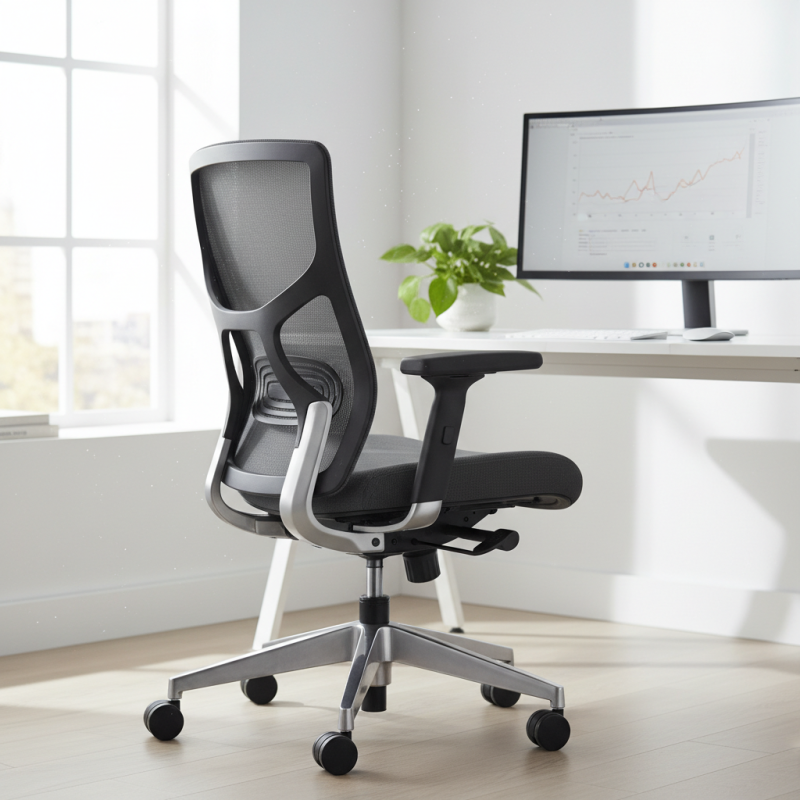
Understanding ergonomics is crucial in office chair design. Ergonomics focuses on optimizing human
well-being and performance. According to a report by the American Occupational Therapy Association,
poor posture can lead to chronic pain. A survey found that 54% of
office workers experience musculoskeletal disorders due to inadequate seating.
An ergonomic chair reduces strain. Key features include lumbar support
and seat height adjustability. The chair must promote a
neutral spine position. Research indicates that proper support can increase productivity by up to 20%. However, many users overlook these aspects.
They often choose style over function, leading to discomfort.
Material also matters. Breathable fabrics help in temperature regulation.
Memory foam provides comfort but may retain heat. A study revealed that 38%
of workers feel fatigue due to unsuitable seating materials. This oversight can hinder focus and productivity.
Investing time in selecting an ergonomic chair is essential for long-term health.
When choosing an ergonomic office chair, several key features are essential. Lumbar support is crucial. It helps maintain the natural curve of your spine. Without proper support, back pain may arise. Look for adjustable lumbar options. This ensures it fits your body perfectly.
Seat height adjustment is another critical aspect. A chair should be easily adjustable for your desk height. Your feet should rest flat on the floor. If your knees don’t align with your hips, discomfort can develop. Additionally, armrests should be adjustable. They minimize shoulder strain. Ideally, your arms should be at a comfortable angle.
Consider the seat material as well. It should be breathable and soft, allowing for prolonged sitting. If the chair is too firm, it can lead to pressure points. Some users may find that the cushion compresses over time. Regular reflection on your comfort is important. What feels good today might not work in a few months. Pay attention to your body’s signals to ensure long-term comfort.
Choosing an ergonomic office chair is not just about comfort; it's about adjustability and customization. A well-fitted chair can enhance your productivity. One key feature to look for is seat height adjustment. This allows you to align your chair with your desk, ensuring your feet rest flat on the ground. Height matters. If your feet dangle, it can cause discomfort and fatigue.
Another aspect to consider is lumbar support. This is crucial for maintaining a healthy posture. A chair with adjustable lumbar support helps you avoid slouching. Try moving the support up or down to find your sweet spot. The right posture is vital, but not everyone pays attention to it. Overlooking this can lead to chronic back pain.
Don't forget about armrests. Adjustable armrests can help reduce strain on your shoulders. You might think they are less important, but bad arm support can create tension in your neck. Pay attention to your body's signals. If you feel strain, it’s time to adjust.
Set aside some time to explore these features. If a chair doesn’t feel right, it might not be the right choice for you. Always prioritize comfort and support. Trust your instincts—it’s essential to invest in your well-being.
| Feature | Description | Importance | Customization Options |
|---|---|---|---|
| Adjustable Height | Allows users to set their chair height for optimal desk alignment. | High | Pneumatic controls for easy height adjustment. |
| Seat Depth Adjustment | Enables users to adjust the depth of the seat for proper thigh support. | Medium | Slider mechanism for deeper or shallower seating. |
| Lumbar Support | Supports the lower back to prevent slouching and back strain. | High | Adjustable lumbar mechanisms for personalized support. |
| Armrest Adjustment | Allows users to set the height and width of the armrests. | Medium | Height and width adjustable armrests. |
| Recline Feature | Allows the chair to recline for relaxation during breaks. | Medium | Recline angle adjustments for user preference. |
Choosing the right materials for ergonomic office chairs is crucial. High-quality fabrics, such as mesh or synthetic leather, can enhance breathability and comfort. Mesh provides excellent ventilation, helping to regulate body temperature during long hours of work. On the other hand, synthetic leather is sturdy and easy to clean. These materials should offer not only comfort but also durability.
The chair's construction matters too. Look for a solid frame that supports your body weight effectively. A well-constructed chair minimizes wobbling and instability. Consider a chair with adjustable features, allowing you to customize it to your body shape. But sometimes, manufacturers cut corners. A chair may feel comfortable initially but can deteriorate quickly. It’s worth investigating users' experiences over time.
Don’t forget cushions. Memory foam can mold to your body, providing great support. However, not all memory foam is created equal. Some may flatten too quickly. Ensure the foam is high-density to retain its shape. A chair that looks good but lacks quality materials won’t serve its purpose well. Balancing aesthetics with functionality is essential for a truly ergonomic experience.
When evaluating ergonomic office chairs, consider user experiences. Look for detailed reviews that emphasize personal comfort over marketing claims. Real opinions often highlight both positives and negatives, giving a clearer picture.
Testing chairs in-store can be revealing. Sit in different models. Pay attention to lumbar support and seat height. Does the chair adjust easily? A comfortable chair might not suit everyone. What works for one person could lead to discomfort for another.
Online, search for comparisons and in-depth assessments. Check forums or blogs where users share their journeys. Note the common issues mentioned. Sometimes, even expensive chairs can disappoint. Be ready to reflect on what features are truly essential for your needs.
: Ergonomics focuses on enhancing human comfort and performance. It reduces strain and prevents chronic pain.
Key features include lumbar support and adjustable seat height. Proper alignments enhance comfort and reduce discomfort.
It helps maintain the natural curve of the spine. Without it, back pain may develop over time.
Breathable fabrics regulate temperature. Memory foam adds comfort but may retain heat, impacting productivity.
Your feet should rest flat on the floor. Knees should align with your hips to avoid discomfort.
Regularly reflect on your comfort levels. What feels good now may not work as time goes on.
Sit in various models and check lumbar support. Ensure adjustments are easy and meet your needs.
They provide personal insights beyond marketing. Real experiences highlight both benefits and potential drawbacks.
Price does not guarantee comfort. Some high-end models may not fit your specific needs or preferences.
Regular check-ins with your body can help. Listening to signals of discomfort is key to long-term health.
Choosing the right ergonomic office chair is crucial for maintaining comfort and productivity in a work environment. In the article "How to Choose Ergonomic Office Chairs Essential Features Explained," key aspects of ergonomic design are highlighted, including the foundational principles of ergonomics that enhance user comfort and support. The article outlines what are the essential features of ergonomic office chairs, such as adjustable seat height, lumbar support, and armrest customization, which allow users to tailor the chair to their specific needs.
Moreover, the selection of materials and construction is discussed, emphasizing the importance of durability and breathability for long hours of use. Additionally, the article delves into the significance of testing and reviews, encouraging users to evaluate ergonomic chairs based on real experiences to ensure they find the best fit for their workspace. By understanding these factors, individuals can make informed decisions when choosing ergonomic office chairs that promote health and efficiency.

Layanaa Furniture