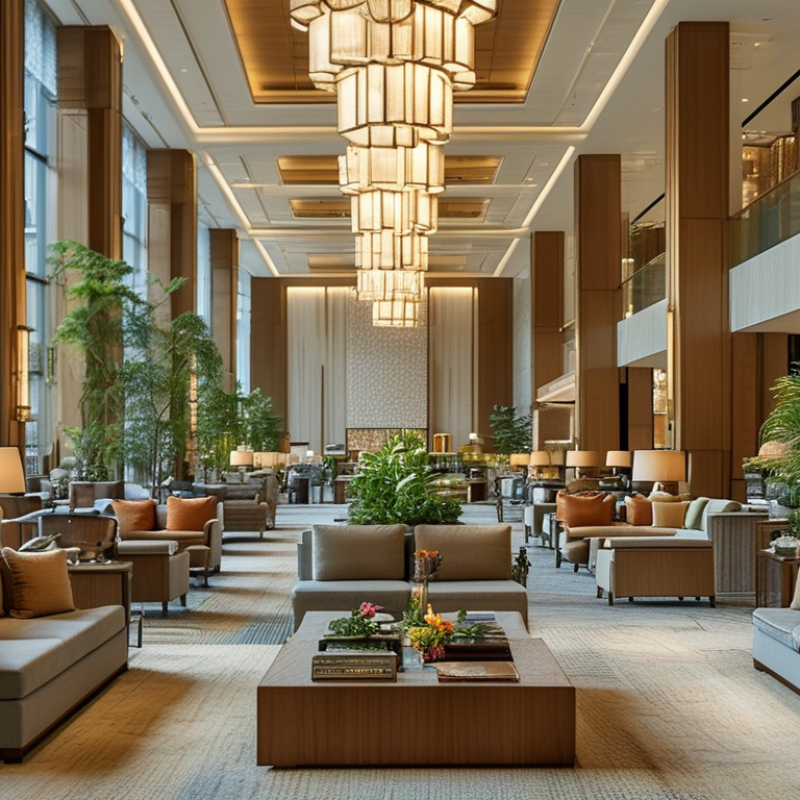
Choosing durable furniture for busy hotel lobbies is vital for maintaining a welcoming atmosphere. Industry reports indicate that hotels lose 20% of their revenue due to poor guest experiences linked to inadequate furnishings. High-traffic areas require furniture that withstands continuous use while still looking appealing. Understanding how to select durable furniture for high-traffic hotel lobbies is essential for hoteliers aiming to enhance guest satisfaction.
Durable furniture materials, such as commercial-grade upholstery and solid wood, can significantly reduce replacement costs over time. A study revealed that investing in quality can yield a return on investment of up to 30%. Hotels also need to consider the balance between aesthetics and endurance. While trendy designs may attract guests, they should not compromise the furniture's longevity. Reflection on previous choices can lead to better decisions, ensuring that the furniture does not only meet immediate needs but also aligns with long-term goals. In summary, the right furniture selection process must prioritize both durability and style to create inviting hotel lobbies.
In busy hotel lobbies, furniture endures constant use. Guests check in, socialize, and wait, all contributing to wear and tear. According to industry reports, over 60% of furniture damage occurs in high-traffic areas. This highlights the need for durable pieces that can withstand daily demands.
Choosing the right materials is essential. Furniture made from hardwoods offers longevity, while commercial-grade upholstery resists stains and fading. Research shows that resilient furniture can last up to 10 years longer than standard options in high-traffic environments. However, the initial cost of quality pieces may challenge budgets. It’s a balancing act between aesthetics and practicality.
Maintenance must not be overlooked. Regular inspections can reveal small issues before they escalate. For example, loose screws or worn-out cushions can affect comfort and safety. Investing in dependable furniture is crucial for creating inviting spaces. Yet, hotels must also be prepared for occasional need for replacements or repairs, reflecting the reality of managing high-traffic areas.
Choosing durable furniture for busy hotel lobbies involves careful consideration of materials. Wood, metal, and upholstery all play critical roles in durability and aesthetics. Solid wood offers warmth and a classic look. However, it may be prone to scratches and dents. Regular maintenance is necessary to preserve its beauty.
Metal is another strong contender. It resists wear and tear, making it ideal for high-traffic areas. Steel and aluminum are common choices. While metal can be cold, combining it with softer materials can create balance. However, exposed metal can dent, so avoid sharp corners.
Upholstery is vital for comfort but also requires attention. Stain-resistant fabrics are beneficial in lobbies. High-performance textiles can withstand daily use. It's important to test the fabric under different conditions to gauge its durability. Overall, mixing materials thoughtfully can enhance the lobby's functionality while maintaining an inviting atmosphere. Regular checks and maintenance keep furnishings looking fresh.
When selecting furniture for hotel lobbies, wear resistance is crucial. High traffic areas face daily challenges. Materials must endure spills, scratches, and general wear. Assessing what lasts is not always straightforward. Strength is vital, but not everything that seems durable truly is.
Industry standards can guide your choices. Look for fabrics and finishes tested for abrasion. Upholstery should resist fading and stains. Solid wood or metal frames often offer better longevity than particleboard options. Consider the weight of the furniture too. Heavier pieces tend to stay in place despite movement.
However, even the most durable items may show signs of wear over time. Scratches and dents can accumulate, leading to a tired appearance. Regular maintenance and timely repairs can extend this lifespan. Engaging staff in care routines is essential. They should know how to tackle minor issues swiftly. Balancing aesthetics with durability requires reflection and ongoing evaluation.
Choosing furniture for busy hotel lobbies requires a keen eye for both ergonomics and style. Guests spend time waiting, socializing, or working. Therefore, comfort is paramount. A well-designed chair or sofa should offer adequate support. Look for pieces with good lumbar support to enhance the guest experience.
Tips: Opt for materials that are both durable and easy to clean. Consider using fabrics that can withstand heavy use. For example, synthetic leathers or treated fabrics can be great options. Remember that aesthetics matter too. A stylish lobby invites guests and creates a memorable first impression.
However, achieving the perfect balance between comfort and style can be tricky. Some pieces may look stunning but lack the comfort that guests desire. Additionally, consider how the furniture will fit with your lobby's overall decor. Test various arrangements to find optimal layouts. It’s essential to repeatedly assess the functionality of chosen pieces.
This chart illustrates the durability ratings of various furniture materials suitable for busy hotel lobbies. A higher rating indicates greater durability, which is crucial for maintaining appearance and functionality in high-traffic areas.
Choosing furniture for busy hotel lobbies requires a careful balance of initial costs versus long-term durability. While it may be tempting to opt for cheaper options, investing in sturdy and resilient materials pays off in the long run. Over time, wear and tear from high traffic can lead to substantial expenses in repairs and replacements. Selecting durable options minimizes these ongoing costs and enhances guest experiences.
When budgeting, consider the quality of the materials. Solid wood, metal, and high-grade fabrics withstand frequent use better than lower-quality alternatives. Look for furniture designed specifically for commercial settings. This can provide the assurance of durability and longevity.
**Tips:**
Look for warranties. A longer warranty can indicate better quality.
Test the furniture before purchase. Check its comfort and stability.
Keep space flexibility in mind. Modular furniture can adapt to different needs.
Making informed choices ensures you select pieces that offer both style and endurance. While the initial higher price tag can be hard to justify, it’s essential to reflect on the bigger picture. Long-lasting furniture contributes to overall guest satisfaction and reduces maintenance headaches.
| Furniture Type | Material | Durability Rating (Years) | Initial Cost ($) | Long-Term Investment ($/Year) |
|---|---|---|---|---|
| Sofa | Leather | 10 | 1200 | 120 |
| Chair | Plastic | 5 | 150 | 30 |
| Dining Table | Wood | 15 | 800 | 53.33 |
| Bar Stool | Metal | 8 | 200 | 25 |
| Coffee Table | Glass | 6 | 300 | 50 |
: Key materials include wood, metal, and upholstery, each contributing to durability and aesthetics.
Yes, solid wood offers warmth and beauty, but may scratch or dent easily. Regular maintenance helps.
Metal resists wear and tear, making it ideal for busy spaces. However, avoid sharp corners to prevent dents.
Stain-resistant fabrics and high-performance textiles are essential. Testing fabrics under various conditions is wise.
Look for materials tested for abrasions, fading, and staining. Solid wood and metal generally last longer than particleboard.
Heavier furniture pieces tend to stay in place, reducing movement issues.
Lower prices may lead to higher long-term costs due to repairs. Investing in durable options is more economical.
Regular maintenance and timely repairs are crucial. Staff training on care routines is also important.
Balance initial costs with long-term durability. Higher upfront costs often lead to better quality and satisfaction.
Yes, longer warranties usually indicate better quality and can provide peace of mind for long-term investments.
Choosing durable furniture for busy hotel lobbies is crucial to maintaining both aesthetics and functionality in high-traffic areas. This article discusses how to select durable furniture for high-traffic hotel lobbies by examining the importance of robust materials like wood and metal, as well as suitable upholstery options. It emphasizes the need to assess wear resistance based on industry standards, ensuring that furniture can withstand daily use without compromising quality.
Additionally, the article highlights the balance between ergonomics and style, which is essential for creating a welcoming environment while providing comfort to guests. Budget considerations are also addressed, reinforcing the idea that investing in durable furniture may incur higher initial costs but ultimately saves money over time due to reduced replacement frequency. By considering these factors, hoteliers can make informed decisions that enhance their lobby's appearance and durability.
Layanaa Furniture