In crowded classrooms, effective storage solutions can transform the learning environment. Educators often grapple with the question, "what are the best storage solutions for crowded classrooms?" According to Dr. Sarah Thompson, a leading expert in classroom organization, "Creative storage can maximize space and foster an engaging learning atmosphere." Her insights remind us that how we organize materials impacts student focus and interaction.
When classrooms feel cramped, it becomes essential to think outside the box. Shelving units, multi-functional furniture, and labeled bins are practical ideas. Dr. Thompson emphasizes that "using vertical space is crucial." Utilizing walls for storage not only saves floor space but also keeps supplies accessible. However, it is vital to assess what items are truly needed. Overcrowded storage can lead to chaos rather than organization.
Lastly, consider the balance between aesthetics and functionality. While bins might be colorful, they can also become clutter if not monitored. Continuous reflection on storage use is needed. After all, the goal is to create an environment that promotes learning while accommodating all materials.
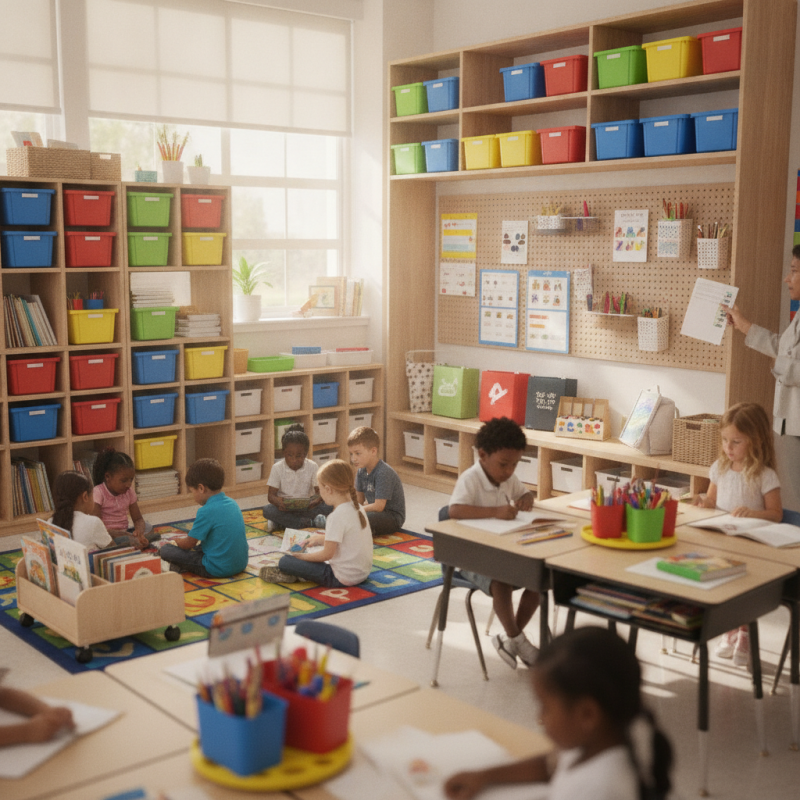
In crowded classrooms, effective storage is essential. It helps create a more organized and efficient learning environment. With limited space, teachers need solutions that maximize every inch. Cabinets, shelves, and bins can play vital roles. These tools not only store supplies but also enhance accessibility.
Clutter can become overwhelming. It's easy to lose important materials in a disorganized room. Teachers may find themselves spending more time searching than teaching. Implementing storage systems encourages students to keep their spaces tidy too. When students are involved in organization, they develop responsibility.
However, choosing the right storage isn't always straightforward. Some solutions may not fit the classroom's layout or budget. Assessing the space available and understanding what needs storage can save time and effort. It's okay to experiment with different arrangements. Reflecting on what works best is key. Effective storage is not just about keeping things out of sight; it's about creating a conducive learning atmosphere.
In assessing the unique needs of your classroom space, start by identifying how your current layout impacts student engagement. A National Education Association report indicates that 80% of teachers believe classroom organization directly affects learning. Think about the space available. Is it cluttered or do students have room to move? A well-organized classroom provides better access to materials, fostering a productive environment.
Next, consider the kinds of storage solutions that align with your teaching style. For example, mobile storage bins can be effective in crowded classrooms. A recent survey revealed that 65% of educators prefer flexible storage options. These allow for easy access and rearrangement throughout the school day. Reflect on how often you need to change your setup. Is it too rigid or accommodating enough to support diverse activities?
Lastly, look at your classroom’s specific needs. Are there special considerations for students with disabilities or different learning requirements? According to a Journal of Educational Psychology study, organized spaces can reduce stress and distraction for all students. Implementing thoughtful storage solutions not only enhances accessibility but encourages independent learning. Always assess how these elements come together to enhance the overall classroom experience.
In crowded classrooms, effective storage solutions can transform the learning environment. One popular option is modular shelving. These systems can be customized to fit any space. They allow teachers to store books, supplies, and resources neatly. You'll often find them wall-mounted or free-standing, maximizing floor space.
Another option is portable carts. They provide flexibility in organizing classroom materials. Teachers can easily move them for different activities. This mobility encourages collaboration among students. However, these carts can become cluttered quickly. Regular organization is necessary to keep them functional.
Additionally, consider under-desk storage bins. These bins help utilize often-overlooked areas. They can hold personal items or student materials. The compact design is perfect for maintaining an organized look. Still, overstuffing can lead to disorganization. Regularly review contents to enhance accessibility and efficiency.
When assessing storage solutions for busy classrooms,
durability and functionality are paramount.
According to reports from the National Clearinghouse for Educational Facilities, durable materials extend
the lifespan of classroom furniture. This ultimately reduces costs over time. Classrooms are high-traffic
areas, and storage pieces must withstand daily wear and tear. Options made from high-quality, resistant
materials, such as steel or
laminate, often perform better in this environment.
Functionality in storage is equally critical. A well-designed storage system should accommodate various
educational materials. Research by the American Institute of Architects
emphasizes the importance of flexible storage solutions that promote easy access and organization.
Lockable storage is necessary for securing sensitive materials, ensuring both order and safety. Furthermore,
integrating mobile units allows teachers to rearrange classroom layouts quickly. However, not all storage
solutions offer these features. Sometimes, more attractive units sacrifice practicality for aesthetics.
Careful reflection on how storage fits into the classroom's
workflow is essential. Solutions can inadvertently create clutter if not well-suited for specific needs.
More complex designs can lead to frustration rather than efficiency. Striking the right balance between
durability and functionality often involves testing various items within the actual classroom setting before
making a commitment.
In crowded classrooms, organization often becomes a challenge. Effective organization can drastically improve learning environments.
Begin by assessing the current space. Identify clutter and areas that demand attention. Use storage bins and shelves strategically. Visual barriers can help designate zones for different activities.
Creating a functional layout is essential. Arrange desks and tables to maximize open space. This encourages better flow and access to materials. Utilize vertical space for storage.
Shelves placed high can store infrequently used items. This keeps essential tools within reach and minimizes distractions.
Regularly involve students in maintaining organization. Encourage them to take ownership of their space. Create a checklist for keeping supplies in order. This can lead to reflections on what works and what doesn't.
As needs change, so should storage solutions. Flexibility in organization will help adapt to new challenges in crowded classrooms.
: Common choices include modular shelving, portable carts, and under-desk storage bins.
Modular shelving can be customized to fit any space, allowing for neat storage of books and supplies.
They offer flexibility and can be easily moved, enhancing collaboration during various activities.
They can become cluttered quickly and require regular organization to remain functional.
They utilize overlooked spaces and maintain organization for personal and student materials.
Look for materials like steel or laminate that withstand daily wear in high-traffic areas.
Storage should accommodate various materials and promote easy access while maintaining organization.
Lockable storage is necessary for keeping important items safe and organized.
Poorly suited solutions can create clutter and may lead to frustration if designs are too complex.
Test various items in the actual classroom setting to ensure they fit well with workflow needs.
In addressing the question of what are the best storage solutions for crowded classrooms, it's essential to recognize the significance of effective storage in optimizing learning environments. By assessing the unique needs of your classroom space, educators can identify specific storage challenges and opportunities. A variety of storage solutions are available, ranging from shelves and bins to mobile carts, each catering to different organizational needs.
Durability and functionality are critical factors when evaluating storage options, ensuring that they can withstand the daily demands of classroom use. Furthermore, implementing smart organization strategies can significantly enhance space utilization, creating an organized and efficient learning atmosphere. By thoughtfully considering these elements, teachers can create a comfortable and productive environment for their students.
Layanaa Furniture