In recent years, the importance of quality school furniture for primary schools has gained significant attention. Numerous studies highlight the impact of classroom environments on student learning and well-being. According to a report by the National Center for Education Statistics, well-designed furniture can enhance student focus and retention rates. This raises an important question: what to look for when buying school furniture for primary schools?
Safety is a primary concern. Furniture must adhere to strict regulations to prevent accidents and injuries. Ergonomics also plays a crucial role; tables and chairs should accommodate children's growth and promote proper posture. Durability is another critical factor. Furniture that withstands daily wear and tear saves costs in the long run, as highlighted in the Educational Furniture Market Report.
Moreover, aesthetics can influence students' engagement. Bright colors and flexible arrangements foster creativity and collaboration. Schools often overlook these elements, focusing solely on cost. Thoughtful investments in quality furniture can deeply impact the overall learning experience. It’s essential to consider comfort, safety, and style when diversifying school environments.
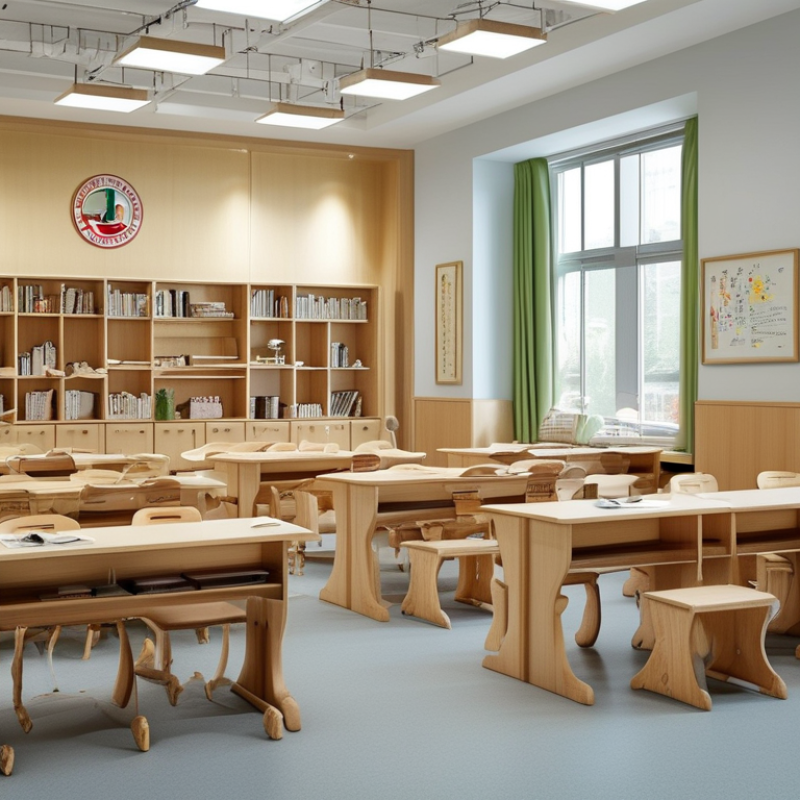
When selecting school furniture for primary schools, durability is key. Kids are active and curious. They can easily damage cheap furniture, so choose materials that withstand daily wear. Look for pieces made from strong, non-toxic materials. Safety is also critical. Ensure furniture has rounded edges and stable bases to prevent injuries.
Consider the ergonomic design of furniture. Children come in different sizes. Adjustable desks and chairs can accommodate their growth. This flexibility promotes comfort and encourages better posture. Storage options are important too. Classrooms need to be organized, and furniture with built-in storage can help keep supplies tidy.
Lastly, aesthetics matter. Bright colors and fun designs can engage young learners. However, simplicity should not be overlooked. Furniture should not clutter the space or overwhelm the students. Striking a balance between fun and functional is essential, ensuring the environment is conducive to learning.
When choosing school furniture for primary students, ergonomics plays a critical role. Young learners spend hours seated in classrooms, and proper furniture design can impact their physical health. According to a recent study, over 50% of students report discomfort while sitting at their desks. This discomfort can lead to concentration difficulties and decreased academic performance.
Ergonomic furniture aims to support the natural posture of children. Desks should be at an appropriate height to prevent slouching. Adjustable chairs can accommodate various body sizes. The National Institute for Occupational Safety and Health (NIOSH) emphasizes that improper seating can lead to long-term health issues. Schools should regularly assess how well current furniture meets ergonomic standards and make necessary adjustments.
Yet, not all schools prioritize ergonomics. Some institutions may opt for cheaper furniture without considering the health ramifications. Teachers and parents should advocate for better designs. Research indicates that investing in ergonomic furniture leads to improved student engagement and comfort. Schools must reflect on their choices and understand the profound effect furniture has on learning experiences.
When buying school furniture for primary schools, durability is crucial. The materials used play a significant role in the lifespan and usability of furniture. Wood, metal, and high-quality plastics are common choices. Each has its pros and cons. Solid wood looks beautiful and withstands wear, but it can be expensive. Metal is robust but can rust over time. Plastic is lightweight and easy to clean but might not endure heavy use.
Consider the environment where the furniture will be used. Classroom settings can be chaotic. Kids can be rough on their surroundings. Look for products that have been tested for strength. Check if they meet safety standards. Look for warranties that reflect confidence in the product. Inspect finishes and edges to ensure they minimize risk of injury.
Reflecting on these details helps prevent future headaches. For instance, purchasing cheap furniture can lead to frequent replacements. This is not just costly; it disrupts learning. Sometimes, schools overlook quality in favor of price. In the long run, investing in durable materials pays off. Quality furniture fosters a better learning atmosphere. It’s worth the thought.
Creating flexible learning spaces is essential in primary schools. Modular furniture options allow for dynamic classroom setups, promoting collaboration. According to a recent study by the National Center for Education Statistics, well-structured learning environments can enhance student engagement by 30%. This highlights the need for adaptable classroom furniture.
Tip one: Prioritize versatility. Choose furniture that can be easily rearranged to support various activities. Items like foldable tables and stackable chairs can turn a traditional setup into a group-learning space within minutes. This adaptability fosters a more interactive atmosphere.
Tip two: Incorporate comfort. Ergonomically designed furniture is vital. For example, adjustable seating promotes better posture, influencing student focus. A survey from Classroom 2025 revealed that 67% of teachers noticed improved concentration when students were comfortable.
Tip three: Assess durability. Investing in long-lasting materials is crucial. Children are active and often hard on their environment. Using quality resources reduces the need for frequent replacements. This not only saves money but also minimizes waste, aligning with sustainable practices. Evaluating choices closely ensures that the furniture serves your school long-term.
| Tip Number | Tip Description | Benefits | Modular Options |
|---|---|---|---|
| 1 | Consider Adjustable Height Desks | Accommodates different student sizes and promotes comfort. | Yes |
| 2 | Incorporate Collaborative Seating | Encourages group work and interaction. | Yes |
| 3 | Opt for Lightweight Furniture | Easier to rearrange for different activities. | Yes |
| 4 | Use Multi-functional Furniture | Saves space and adds functionality. | Yes |
| 5 | Prioritize Ergonomic Designs | Improves student posture and reduces fatigue. | Yes |
| 6 | Choose Durable Materials | Long-lasting furniture saves costs over time. | Yes |
| 7 | Select Colorful and Engaging Designs | Stimulates creativity and keeps students engaged. | Yes |
| 8 | Incorporate Technology Integration | Supports digital learning tools. | Yes |
| 9 | Assess Safety Standards | Ensures a safe learning environment. | No |
| 10 | Ensure Easy Maintenance | Saves time and costs on cleaning and repairs. | Yes |
When budgeting for school furniture in primary institutions, a structured approach is vital. Data from the National Center for Education Statistics reveals that schools often face budget constraints, with over 60% reporting funding challenges for essential resources. This highlights the need for a careful evaluation of spending on furniture.
One major factor to consider is the lifespan of furniture items. Investing in durable and ergonomic options can save money in the long run. A study cites that high-quality classroom furniture can reduce replacement costs by up to 30%. Schools should also consider the total cost of ownership. This includes maintenance and repair expenses, not just the initial purchase price.
Collaborative purchasing can be beneficial as well. A report from the Purchasing Consortium suggests that schools pooling resources tend to secure better pricing. Engaging with local suppliers and exploring second-hand options could also yield significant savings. An estimated 15-25% reduction in costs can be achieved through strategic sourcing and negotiation. However, schools must balance cost with the quality of furniture, ensuring a suitable learning environment for students.
: Kids are active and can easily damage furniture. Durable materials withstand daily wear and tear.
Furniture should have rounded edges and stable bases to prevent injuries and ensure safety for children.
Ergonomic furniture supports proper posture and can reduce discomfort, helping students focus better during lessons.
Adjustable desks and chairs accommodate children's growth, promoting comfort and better posture as they develop.
Built-in storage helps keep classrooms organized, reducing clutter and making supplies easy to access for students.
Bright colors and fun designs engage young learners but should balance simplicity to avoid overwhelming them.
Schools should evaluate lifespan, consider total ownership costs, and explore collaborative purchasing for better pricing.
Some institutions choose cheaper furniture without assessing the health impacts on students, leading to discomfort issues.
Students experiencing discomfort may struggle with concentration, emphasizing the need for proper furniture design in classrooms.
Parents and teachers should advocate for better designs, reflecting on how furniture affects the overall learning experience.
When considering what to look for when buying school furniture for primary schools, several key factors should be prioritized. First, understanding the importance of ergonomics is crucial, as properly designed furniture can significantly enhance comfort and support for young students. The materials used also play a vital role; selecting durable options ensures that the furniture withstands daily use and minimizes replacement costs.
Creating flexible learning spaces is another vital consideration. Modular furniture options can adapt to various teaching styles and classroom activities, promoting an environment conducive to learning. Additionally, budgeting effectively is essential for primary institutions to ensure that purchases are sustainable and within financial constraints. By focusing on these elements, schools can successfully invest in furniture that meets the needs of both students and educators.

Layanaa Furniture