Choosing the right school furniture is essential for primary schools. It affects students' learning and comfort. So, understanding what to look for when buying school furniture for primary schools is crucial.
First, consider ergonomics. Furniture should support good posture. Desks and chairs must fit children of various sizes. Look for adjustable options that grow with the students. Safety is another key factor. Avoid sharp edges and materials that can easily break.
Also, think about durability. Children can be rough on furniture. Invest in sturdy options that can withstand daily use. Don't forget aesthetics. A colorful and inviting environment can enhance learning. Reflect on these aspects carefully while making your decision. Each choice shapes the classroom experience.
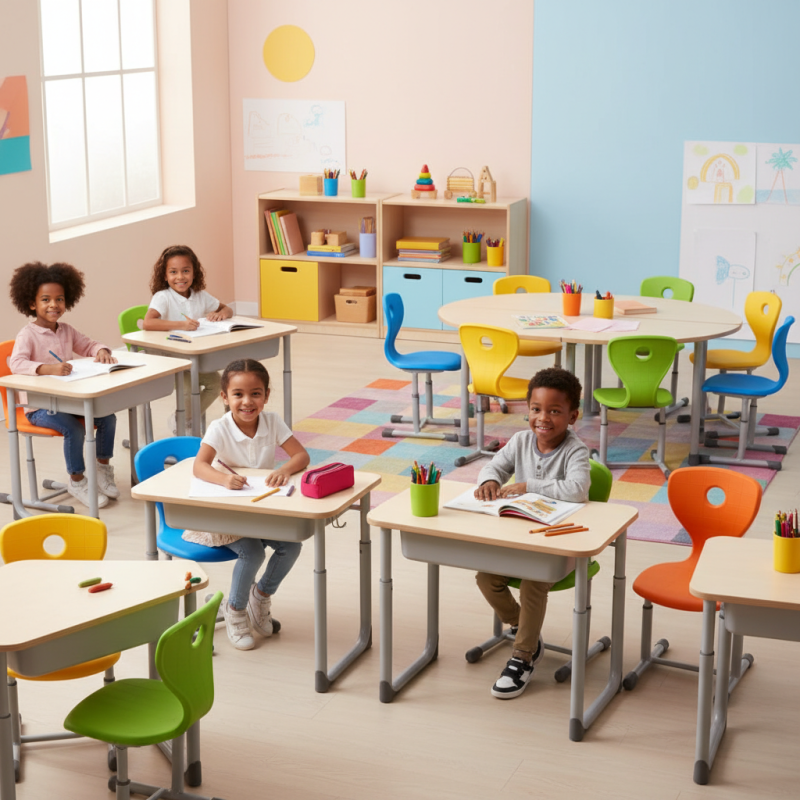
When choosing materials for primary school furniture, safety is paramount. Furniture should be made from non-toxic materials that are safe for young children. This means selecting items that meet safety standards. Materials like metal, solid wood, and high-quality plastics are good choices. They should resist wear and tear from daily use. Many times, schools overlook this essential aspect.
Durability is another crucial factor. Children can be rough on furniture. Chairs and tables need to withstand constant moving and jumping. Materials should not easily chip or crack. Lightweight options encourage students to rearrange their furniture, promoting flexibility in the classroom. However, flexibility should not compromise stability.
Ergonomics also play a significant role. Furniture should fit the size of the children. Properly designed tables and chairs will support students’ posture. This consideration is often neglected, leading to discomfort and health issues. Schools should also think about how colors and textures affect learning. Bright colors can inspire creativity but might distract some students. Balancing aesthetics and functionality is not easy. Each decision should be carefully weighed, as these pieces will shape the learning environment.
Selecting the right furniture for primary schools requires careful consideration of ergonomics. Young learners have unique physical needs. Furniture must accommodate their growth and promote healthy posture. Desks and chairs should be adjustable to suit different heights. This helps prevent discomfort during long school hours.
Ergonomics in classroom design aids concentration. A well-fitted chair can enhance focus. If students feel uncomfortable, their attention drifts. Schools should pay attention to the materials used, too. Soft, breathable fabrics can improve the learning environment. It’s essential to encourage active sitting, allowing children to shift positions easily.
When choosing furniture, consider flexibility. Classrooms often require different setups for various activities. Movable furniture encourages collaboration but can lead to chaos. Finding a balance is tricky. Make sure furniture is durable yet adaptable to various teaching styles. Reflect on how these choices affect learning outcomes. Prioritizing ergonomic principles can support both comfort and education.
When designing collaborative learning spaces for primary schools, several design considerations come into play. Research shows that flexible seating arrangements can boost student engagement by up to 80%. These arrangements facilitate group work and discussions. Consider using modular furniture that can be easily moved to create different classroom layouts. This adaptability encourages creativity and teamwork among students.
Color can significantly impact students’ moods and focus. According to studies, using bright colors can enhance children's creativity. However, too many vivid colors may also cause distraction. A balanced approach in choosing colors for furniture and classroom walls is essential. Using softer tones can create a calming environment while still encouraging collaboration.
Another critical aspect is technology integration. Classrooms equipped with tech resources enhance learning experiences. Yet, without adequate planning, this can lead to distractions. The design must also consider pathways for movement and interaction. Reports indicate that schools that emphasize mobility in their design witness a noticeable increase in student collaboration. Reflecting on these elements can lead to more effective learning environments.
When selecting school furniture for primary schools, durability should be a top priority. Research indicates that furniture in educational settings needs to last. Studies show that well-chosen school furniture can last up to a decade with proper maintenance. This longevity reduces the frequency of replacements, ultimately saving schools money.
Maintenance is another vital factor. Many materials used in school furniture, like laminate or solid wood, require different care. For instance, laminate surfaces are often easier to clean and resist stains. They’re ideal for younger students who may be more prone to spills. Conversely, solid wood might demand more careful treatment but offers aesthetic value. Understanding these requirements helps institutions make informed decisions.
It’s essential to involve teachers and maintenance staff in discussions. Their insights can highlight potential durability issues early on. Regular wear and tear can't be ignored. Schools should consider furniture that can withstand heavy use. Some reports reveal that nearly 30% of furniture needs replacement within five years due to damage. Choosing robust designs can mitigate this risk, fostering a productive learning environment.
| Furniture Type | Material | Durability Rating | Maintenance Requirements | Average Lifespan (Years) |
|---|---|---|---|---|
| Classroom Desks | Plywood | High | Wipe clean; annual polish | 10 |
| Chairs | Polypropylene | Medium | Spot clean; inspect joints | 8 |
| Shelving Units | Steel | Very High | Periodic inspection and cleaning | 15 |
| Canteen Tables | Laminate | Medium | Wipe clean; avoid sharp objects | 7 |
| Storage Cabinets | Wood | High | Dust regularly; check for wear | 12 |
When budgeting for school furniture, the focus should be on both quality and safety. According to the National School Furniture Association, about 60% of school furniture purchases fall short in safety standards. This compromises student well-being and learning environments. Investing in furniture that meets both durability and safety certifications is crucial.
Quality furniture often comes with a higher upfront cost. However, the long-term benefits outweigh these initial expenses. Research shows that schools that invest in high-quality furniture can reduce replacement costs by 30%. Additionally, durable materials can withstand daily wear and tear, extending the life span of classroom assets.
Beyond the financial aspect, schools must consider ergonomic designs. Students spend up to 7 hours a day sitting. Poor furniture choices can lead to discomfort and health issues. Ensuring that furniture is adaptable to different sizes and activities fosters a productive learning atmosphere. Investing wisely in school furniture may not be easy, but it directly influences the overall educational experience.
: Non-toxic materials are essential. Metal, solid wood, and high-quality plastics are good choices.
Durability is crucial. Furniture must withstand rough use and constant moving by children.
Chairs and desks should be adjustable. This helps support healthy posture for different heights.
Well-designed furniture aids concentration. Uncomfortable seating can lead to distractions and reduce attention.
Bright colors can inspire creativity. However, they might distract some students from learning tasks.
Different materials have various care needs. Laminate is easier to clean, while solid wood requires more attention.
With proper maintenance, furniture can last up to a decade. This reduces the need for frequent replacements.
Yes, teachers' insights can identify durability issues early. Their input is valuable for informed decisions.
Nearly 30% of school furniture may need replacing within five years due to damage.
Movable furniture promotes collaboration but can also lead to chaos in the classroom setup.
When considering what to look for when buying school furniture for primary schools, it's essential to focus on several key factors. Firstly, selecting the right materials is crucial, as they should be safe, durable, and easy to maintain. Equally important is understanding ergonomics tailored for young learners, ensuring that furniture supports their developing bodies and promotes comfort during learning activities.
In addition, design considerations for collaborative learning spaces should foster engagement and interaction among students. This includes furniture that can easily be rearranged to accommodate different teaching methods and group work. Assessing durability and maintenance requirements will help in making long-term investments rather than short-term solutions. Finally, budgeting for quality and safety is vital to ensure that the furniture not only meets the aesthetic needs of a classroom but also adheres to safety regulations, creating a conducive environment for education.

Layanaa Furniture