2026 Best Ways to Save on Bulk Furniture for Schools?

Time:2026-09-15 Author:Liam
0%

School furniture budgets face constant pressure from enrollment changes, aging classrooms, and limited public funding. This guide examines how to save money on bulk furniture orders for schools without sacrificing safety, comfort, or long-term value. A low invoice can look attractive, yet weak chairs may crack after one semester. That mistake becomes expensive.

Experienced buyers compare total ownership costs, not only unit prices. They review warranty terms, replacement parts, delivery charges, classroom dimensions, and installation requirements. They also request samples before approving hundreds of desks or chairs. A sample chair beside a real classroom table reveals wobbling, sharp edges, and uncomfortable proportions quickly. These small checks prevent costly surprises.

Elena Marquez, a school-furniture procurement adviser, says, “The smartest discount is the one that still works five years later.” Her point deserves attention. Schools can negotiate volume pricing, combine compatible products, and schedule deliveries during planned facility closures. They should also ask suppliers about refurbished options, surplus inventory, and flexible replacement policies. However, every saving strategy has limits. Buying too early may create storage problems. Choosing the lowest bid may reduce quality. Forecasts can also be wrong.

The most dependable approach combines verified specifications, transparent quotes, and documented supplier performance. Procurement teams should involve teachers, facilities staff, and finance officers before ordering. Their practical feedback can expose problems that spreadsheets miss. This article outlines realistic methods for controlling costs while protecting daily learning environments. It also recognizes an uncomfortable truth: saving money sometimes means spending more upfront.
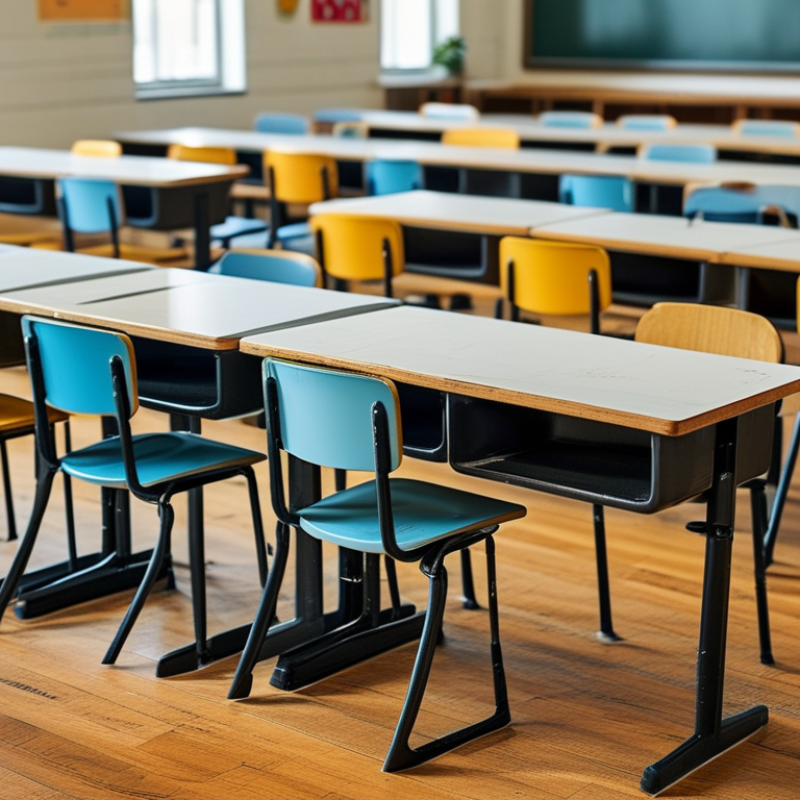
2026 Best Ways to Save on Bulk Furniture for Schools?

Assess School Furniture Needs and Set a Realistic Bulk-Buying Budget

Before requesting bulk furniture quotes, schools should audit every room. Record student capacity, desk dimensions, chair condition, storage gaps, and accessible pathways. Photograph damaged edges and unstable joints. Small details often expose larger replacement needs.

The U.S. Government Accountability Office reported in 2020 that school districts estimated nearly $197 billion in infrastructure improvements. Furniture is only one part of that pressure. NCES data also shows public school enrollment may decline nationally through 2030, though local growth can remain uneven. Therefore, purchasing identical quantities for every campus may create expensive excess stock.

Build the budget from measured demand, not catalogue averages. Separate costs for furniture, delivery, assembly, installation, storage, and disposal. Add a 10–15% contingency for price changes and unexpected room repairs. A spreadsheet should compare the current replacement plan with a three-year phased purchase. Include warranty periods and expected service life. Measure twice.

For example, a school needing 420 student seats should verify enrollment by grade, classroom schedules, and projected transfers. It might order 390 seats initially, then reserve funds for the remaining classrooms. This approach reduces storage pressure. It also leaves room for better decisions after the first delivery.

The plan will not be perfect. We may underestimate seasonal enrollment or assembly labor. That weakness deserves review before approval. Reliable purchasing records, staff feedback, and post-installation inspections make the next bulk order more accurate.

How to use this chart: These planning estimates represent typical bulk-purchase allowances per item in USD. Assess the number of students, classrooms, teachers, storage areas, and shared spaces first, then multiply each allowance by the required quantity and add 10–15% for delivery, installation, and contingency costs.

Compare Suppliers, Contracts, and Volume Discounts for 2026

2026 Best Ways to Save on Bulk Furniture for Schools?

For 2026 purchasing, schools should compare suppliers beyond the listed unit price. Request matching quotes for desks, chairs, storage units, delivery, assembly, and replacement parts. A cheaper chair may need repairs sooner. That difference matters across 500 classrooms. Ask suppliers for product specifications, warranty terms, safety documentation, and realistic lead times. Inspect a sample before approving a large order. One test chair can reveal more than a polished catalog.

Contracts can create stronger savings when they define volume tiers, delivery dates, payment stages, and return procedures. Schools should also confirm whether prices remain fixed during the contract period. A flexible agreement may help when enrollment changes, but vague wording creates risk. Include penalties for late delivery and clear standards for damaged goods. Keep every quotation and revision in one procurement file. It supports accountability.

Volume discounts deserve careful comparison. A 12 percent discount may not beat an 8 percent discount with free delivery and longer warranty coverage. Ask for separate prices at 100, 300, and 1,000 units. Consider shared purchasing across nearby schools, if schedules and storage capacity allow it. However, ordering too much can block classrooms and tie up funds. This is where planning can fail. Review past usage, measure storage areas, and leave room for unexpected enrollment changes.

Choose Durable, Flexible Designs That Reduce Long-Term Costs

Schools can save more on bulk furniture by buying for years, not just opening day. In my experience, the cheapest table often becomes expensive after repeated repairs. Durable frames, replaceable glides, and scratch-resistant surfaces handle crowded classrooms better. Check load ratings, cleaning guidance, and warranty terms before approving a large order.

Flexibility also protects the budget. Choose lightweight tables that one teacher can move safely. Nesting chairs can clear a room for art, testing, or group activities. Adjustable-height desks support different learners and reduce early replacement.

A practical layout matters too. Measure doorways, storage areas, and teaching zones before selecting standard quantities.

Small details matter. Rounded edges reduce daily damage. Sturdy casters improve movement. Neutral finishes can serve several age groups.

Do not assume every “heavy-duty” claim means lasting value. Ask for test methods and replacement-part availability. I have seen schools overbuy specialized furniture that later limited room use. That mistake deserves review.

A simple spreadsheet can compare purchase price, expected service life, repairs, storage needs, and disposal costs. It will not predict everything. Still, it exposes weak assumptions before public funds are committed. A pilot classroom may reveal noise, weight, or cleaning problems that samples cannot show.

Plan Orders, Delivery, Storage, and Installation Efficiently

Bulk furniture savings begin with a realistic order plan, not a rushed discount request.
Measure classrooms, corridors, doorways, and storage rooms before selecting quantities. Group items by building, room, and installation date. This reduces sorting time and prevents expensive re-deliveries.

Our first plan was too optimistic. We scheduled every classroom for one delivery, but storage space quickly became crowded. A phased schedule worked better. Ask suppliers to deliver by floor or department. Confirm truck access, unloading times, and contact details at least one week ahead.

Keep a receiving checklist with counts, damaged cartons, and photographs. Small errors become costly later.

Storage needs equal attention. Use a dry, secure room with clear walking paths. Keep cartons off damp floors and label each stack visibly. Do not place heavy furniture against fire exits or heating equipment.

For installation, reserve quiet work periods around lessons and examinations. Protect floors, check wall conditions, and prepare basic tools before crews arrive. An experienced coordinator should verify anchors, leveling, and safety clearances.

A second person should inspect completed rooms. This catches loose fittings and missing parts early. Budgeting for labor is also important. Self-installation may appear cheaper, but staff time and rework can change the calculation. Allow a small contingency, because real buildings rarely match the original plan.

Measure Total Cost of Ownership and Reuse Furniture Strategically

Schools can save more by measuring total cost of ownership, not only the purchase price. A low-cost desk may need replacement after two years, while a repairable desk may serve several classes. Track delivery, assembly, cleaning, repairs, storage, and disposal for every furniture category. The U.S. Environmental Protection Agency estimated that 12.1 million tons of furniture and furnishings entered the municipal waste stream in 2018. Only about 0.5 million tons were recycled, according to its Facts and Figures report. That gap makes disposal an important cost, not an afterthought.

Reuse should begin with a physical inventory. Record dimensions, condition, material, age, and classroom suitability. A scratched table may work well in a workshop. A strong chair may need only new glides. Schools can create a six-month exchange list between campuses before ordering new units. Circle Economy’s Circularity Gap Report 2024 found that only 7.2% of the global economy was circular. Reusing existing furniture gives purchasing teams a practical response to that weakness.

Measure honestly. Include staff time and temporary storage. Those costs are often ignored. One mistake is assuming every reused item fits every learning space. Check accessibility, safety, ergonomics, and cleaning requirements before relocation. I would also test a small reuse program first, because optimistic spreadsheets can hide damaged stock, delayed repairs, or poor classroom acceptance. Keep purchase records and maintenance results. Review them each term.

2026 Best Ways to Save on Bulk Furniture for Schools? — Measure Total Cost of Ownership and Reuse Furniture Strategically
Furniture Type Planning Quantity New Purchase Cost
per Unit
Reuse / Refurbishment Cost
per Unit
Expected Service Life
after Purchase or Refurbishment
Annual Maintenance
per Unit
Freight and Setup
per Unit
Estimated End-of-Life Credit
per Unit
10-Year TCO: New
per Unit
10-Year TCO: Reuse Strategy
per Unit
Estimated Saving
per Unit
Recommended Action
Student Chair 500 $58 $22 8 years / 5 additional years $1.50 $8 $10 $71 $35 $36 Inspect frames, replace glides, and reuse structurally sound chairs.
Student Desk 500 $92 $34 10 years / 6 additional years $2.50 $12 $15 $114 $56 $58 Reuse tops and frames when dimensions and accessibility requirements still fit.
Teacher Desk 35 $420 $155 12 years / 7 additional years $12 $35 $75 $500 $199 $301 Refinish usable work surfaces and replace damaged hardware instead of replacing the entire desk.
Storage Cabinet 60 $375 $120 15 years / 8 additional years $8 $30 $60 $465 $220 $245 Relocate cabinets between campuses and replace locks, shelves, or handles as needed.
Cafeteria Table 40 $480 $175 12 years / 7 additional years $15 $45 $80 $595 $275 $320 Reuse metal frames and refurbish tops when hygiene and stability standards are met.
Calculation basis: 10-year TCO = initial purchase or refurbishment cost + freight and setup + annual maintenance × 10 years − estimated end-of-life credit. Reuse costs include inspection, cleaning, minor repairs, replacement hardware, and labor. Figures are non-branded USD planning estimates for budgeting; actual costs should be validated with local quotes, delivery distances, labor rates, safety requirements, accessibility standards, and applicable taxes.

FAQS

How should a school assess furniture needs before bulk buying?

Audit every room. Record capacity, desk dimensions, chair condition, storage gaps, and accessible pathways. Photograph damaged edges and unstable joints. These details reveal hidden replacement needs.

How can enrollment forecasts prevent excessive stock?

Compare enrollment, grade levels, classroom schedules, and projected transfers. Local growth may differ between campuses. Order in phases when forecasts remain uncertain. Extra stock consumes rooms and funds.

What costs belong in a realistic furniture budget?

Include furniture, delivery, assembly, installation, storage, disposal, warranties, and expected service life. Add a 10–15% contingency for price changes and room repairs. Keep a three-year purchasing comparison. Labor costs are easy to miss.

How should schools compare supplier offers?

Request matching quotes for desks, chairs, storage, delivery, assembly, and replacement parts. Compare specifications, warranty coverage, safety documents, lead times, and return terms. Test one sample chair first. Catalogs can hide weaknesses.

Which contract terms deserve special attention?

Define volume tiers, delivery dates, payment stages, damaged-goods standards, and return procedures. Confirm fixed pricing during the contract period. Add clear consequences for late delivery. Vague language creates expensive confusion.

Does the largest volume discount always save money?

No. Compare prices for 100, 300, and 1,000 units. Include delivery, warranty length, repairs, and storage costs. A smaller discount may provide better value. Ordering too much can block classrooms.

How can schools measure total cost of ownership?

Track purchase, delivery, assembly, cleaning, repairs, storage, and disposal for each category. Compare expected service life, not only unit price. A repairable desk may serve several classes. Cheap is not always cheap.

What is a practical process for reusing existing furniture?

Create an inventory with dimensions, material, age, condition, and classroom suitability. Try a six-month exchange between campuses. Check accessibility, safety, ergonomics, and cleaning requirements. Test a small program first. Our assumptions may fail.

Conclusion

Schools can significantly reduce furniture costs in 2026 by first assessing enrollment, classroom layouts, storage needs, and replacement priorities before creating a realistic bulk-buying budget. Understanding the exact quantity and specifications needed helps prevent overordering and supports better negotiations. Schools should compare multiple suppliers, contract terms, warranties, shipping fees, payment options, and volume discounts rather than focusing only on the listed unit price. A competitive quote process can reveal meaningful savings while keeping purchases aligned with quality and delivery requirements.

Learning how to save money on bulk furniture orders for schools also means choosing durable, flexible designs that can adapt to different age groups, teaching styles, and room configurations. Schools should coordinate ordering, delivery, storage, and installation to avoid delays and extra labor expenses. Finally, evaluating total cost of ownership—including maintenance, repairs, replacement cycles, and resale or reuse potential—can improve long-term value. Reusing suitable furniture between classrooms, repairing items when practical, and purchasing standardized pieces can further extend budgets and reduce unnecessary waste.

Liam

Liam

Liam is a dedicated marketing professional with a profound expertise in the industry, where he excels at highlighting the unique advantages of our core products. With a keen understanding of market trends and consumer needs, Liam frequently updates our company’s professional blog, providing......