Creating an effective workspace is essential in today’s collaborative environments. Understanding how to design a collaborative workspace with modern furniture can significantly enhance productivity and creativity. This involves more than just selecting trendy pieces. It requires thoughtful consideration of layout, functionality, and the dynamics of team interactions.
Modern furniture should not only be aesthetically pleasing but also cater to various work styles. Flexible seating arrangements encourage dialogue and teamwork. Integrating communal spaces promotes spontaneous interactions, fostering innovation. However, balancing personal space with collaborative areas can be challenging.
Consider incorporating movable furniture that can adapt to different activities. This adaptability can optimize the workspace for meetings, brainstorming sessions, or quiet reflection. Don't forget the importance of technology integration. Charging stations and smart boards can transform traditional spaces into dynamic hubs. Reflecting on these aspects can lead to a well-rounded approach, ultimately shaping a workspace that inspires collaboration and engagement.
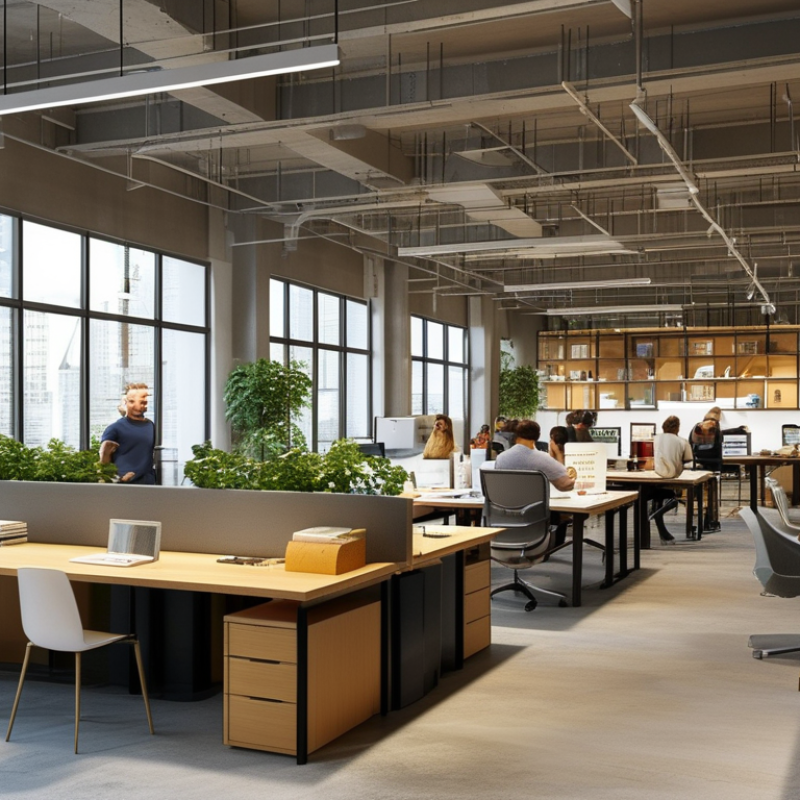
When designing a collaborative workspace, choosing the right modern furniture is crucial. Research indicates that well-designed environments can enhance productivity by up to 20%. Flexible seating arrangements, like modular sofas and movable desks, promote teamwork and adaptability. A comfortable atmosphere encourages open communication and creativity.
Sustainability is an essential factor in modern furniture design. A survey revealed that 67% of employees prefer eco-friendly options. Furniture made from recycled materials not only reduces environmental impact but appeals to a growing demographic that values sustainability. Incorporating natural elements, such as wooden desks or living green walls, can also improve air quality.
It is vital to consider acoustics in the workspace. Collaborative areas often become noisy, which can hinder focus. Acoustic panels can mitigate sound, allowing for discussions without distractions. Choosing furniture that incorporates these elements can transform work environments into hubs of innovation. While it's easy to overlook these aspects, thoughtful integration can create spaces that truly inspire collaboration and engagement.
The design of a workspace significantly influences both productivity and creativity. According to a report by the World Green Building Council, well-designed office environments can increase employee productivity by up to 23%. This indicates that thoughtful design choices matter. Elements such as natural light, ergonomic furniture, and open layouts foster engagement and collaboration.
Companies often overlook the nuances of color and texture in workspace design. A study from the University of Texas revealed that vibrant colors can spark creativity, while neutral tones encourage focus. However, too many colors can overwhelm employees. Striking a balance is essential for both comfort and inspiration.
Moreover, while modern furniture can enhance aesthetics, it must also prioritize functionality. Overly complicated designs may lead to confusion rather than collaboration. Spaces should invite interaction but remain intuitive. Keeping areas open yet differentiated allows teams to thrive without feeling constrained. This aspect often requires reflection to avoid common pitfalls in workspace design. Balancing comfort with creativity is a continual challenge for many organizations.
Designing a collaborative workspace requires careful consideration of furniture choices. Modular furniture stands out for its adaptability. As work demands change, so too should our environments. Research shows that flexible spaces can increase employee productivity by up to 30%. This is particularly significant in dynamic teams that thrive on collaboration.
Modular pieces, such as movable tables and stackable chairs, promote interaction. These elements allow teams to rearrange spaces quickly. This agility correlates with higher satisfaction rates among employees. A recent study indicates that 65% of employees value flexibility in their work environment. However, not all modular solutions fit seamlessly into every layout. Some designs may clash with existing decor or not provide ample support.
Creating a collaborative area requires reflection on needs. While modular furniture enhances flexibility, its effectiveness still depends on proper planning. Flaws in layout can hinder movement and discourage teamwork. Assessing both individual and group needs is crucial. Are team members comfortable and productive? This is a question that demands continuous evaluation to truly harness the benefits of a collaborative workspace.
Creating a collaborative workspace is essential for fostering communication among team members. Strategic furniture placement plays a key role in this process. Consider open seating arrangements. They invite interaction, making discussions more spontaneous. Adjustable tables can accommodate both group activities and individual focus.
Incorporating soft seating areas encourages informal conversations. These nooks provide comfort and invite creativity. Ensure they are spread throughout the space to facilitate movement. Think about the flow of the room. Avoid cluttered layouts that hinder communication.
Using transparent dividers can offer privacy without isolating teams. This balance helps maintain an open environment while allowing for focused work. Lighting also impacts communication. Natural light can boost morale and stimulate discussion. When designing, remember that each element should serve a purpose. Do not hesitate to rethink conventional layouts. Embrace flexibility and adapt to your team's evolving needs.
Modern workspace design increasingly emphasizes technology and ergonomics. A report from the Global Workspace Survey revealed that 75% of employees prioritize a comfortable and tech-savvy environment. Integrating advanced technology not only boosts productivity but also fosters collaboration. High-speed internet, smart boards, and wireless charging stations are now essential features in collaborative spaces.
Ergonomics plays a crucial role in workspace design. Studies indicate that ergonomic furniture can reduce musculoskeletal issues by up to 60%. Adjustable desks and supportive chairs allow employees to customize their workstations. This flexibility accommodates various working styles and promotes health. However, many designs still neglect to prioritize user feedback, leading to discomfort.
The balance between aesthetics and function is another challenge. While beautiful designs capture attention, they must also support productivity. Spaces that lack adequate lighting or soundproofing can hinder focus and collaboration. It’s vital to create environments that are not just visually appealing but also practical and user-friendly.
| Tip Number | Design Aspect | Description | Technology Integration | Ergonomics Considerations |
|---|---|---|---|---|
| 1 | Open Layout | Encourages collaboration and communication | High-speed Wi-Fi and networked devices | Adjustable standing desks |
| 2 | Flexible Furniture | Furniture that can be easily rearranged | Integrated charging stations | Chairs with lumbar support |
| 3 | Collaborative Zones | Specific areas devoted to teamwork | Smart boards and projection systems | Diverse seating options |
| 4 | Natural Lighting | Utilizing windows to enhance mood | Lighting control systems | Task lighting options |
| 5 | Acoustic Solutions | Minimize noise for better focus | Sound masking technology | Acoustic panels in work areas |
| 6 | Personal Space | Create areas for individual work | Dedicated tech setups | Privacy-focused seating |
| 7 | Color Psychology | Use colors to boost creativity | Smart lighting adjustment based on color | Ergonomic color contrasting elements |
| 8 | Green Elements | Incorporate plants for well-being | Automated irrigation systems | Low maintenance plant selections |
| 9 | Technological Tools | Use tools for effective communication | Collaboration software systems | Devices with user-friendly interfaces |
| 10 | Social Areas | Create spaces for relaxation and socializing | Entertainment tech setups | Comfortable lounge furniture |
: Modular sofas and movable desks promote teamwork and adaptability.
Well-designed environments can boost productivity by up to 20%.
Many employees prefer eco-friendly options. It shows awareness of environmental impact.
Acoustic panels can reduce noise and enhance focus during discussions.
Open seating arrangements foster interaction and spontaneity in conversations.
Natural light boosts morale and encourages stimulating discussions.
They invite comfort and creativity, facilitating informal conversations.
Cluttered layouts can hinder communication and interaction.
Transparent dividers offer privacy while keeping an open environment.
Adapting to the team's evolving needs can enhance collaboration and engagement.
Designing a collaborative workspace with modern furniture involves several key considerations to enhance productivity and creativity. First, it is crucial to choose the right modern furniture that not only fits the aesthetic but also facilitates teamwork and communication. Understanding the impact of workspace design on employee performance is vital—ergonomic and strategically placed furniture can significantly influence how teams interact and collaborate.
Additionally, incorporating flexibility through modular furniture allows for dynamic spaces that can easily adapt to various collaborative needs. By thoughtfully arranging furniture to enhance communication pathways and integrating technology, you create an environment that promotes collaboration. Overall, knowing how to design a collaborative workspace with modern furniture can lead to more efficient and innovative work processes.
Layanaa Furniture