When considering what is the best material for chemical-resistant lab benches, expert opinions are crucial. Dr. Emily Carter, a well-respected materials scientist, emphasizes, “Choosing the right surface can significantly impact safety and productivity in the lab.” This insight sheds light on the importance of selecting durable materials.
Chemical-resistant lab benches must withstand corrosive substances. They need to provide a safe workspace for scientists. Various materials, such as epoxy resin and phenolic resin, each have unique strengths. However, not all options are equally effective. Some may chip or degrade over time, requiring frequent replacements.
In the quest for the ideal lab bench, one must reflect on their specific needs. An optimal choice balances durability, cost, and lab requirements. While there are established materials, innovation in lab furnishings continues to evolve. Ultimately, understanding what is the best material for chemical-resistant lab benches involves not just facts, but also practical experience and foresight.
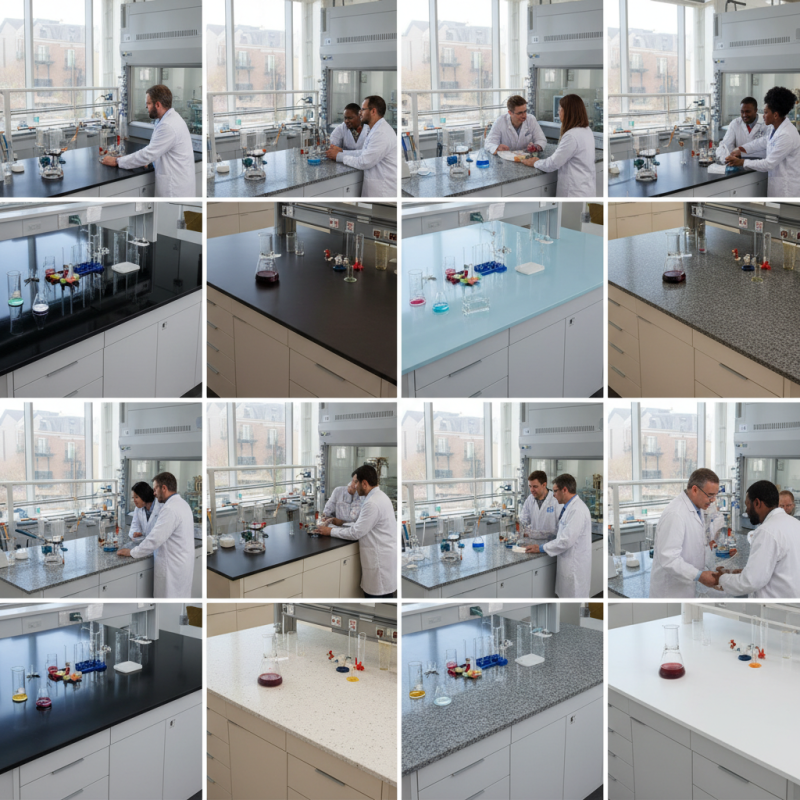
When deciding on materials for chemical-resistant lab benches, several options stand out.
Epoxy resin is top-rated for its excellent resistance to a wide array of chemicals. Its durable surface can withstand spills without deteriorating.
Another strong contender is phenolic resin. Known for its heat resistance, it is often used in labs that handle corrosive substances.
Stainless steel offers both durability and ease of cleaning. Though it resists rust well, it can scratch easily. This might not be ideal in all settings.
On the other hand, polypropylene is lightweight and chemical-resistant. However, it may not handle heavy equipment as well as other materials.
Many laboratories also opt for laminate surfaces. While they provide chemical resistance, their effectiveness diminishes against harsh solvents.
It's essential to assess specific lab needs when selecting materials. Each choice comes with its trade-offs. Understanding the pros and cons can lead to better decisions in creating safe and functional lab environments.
When selecting materials for chemical-resistant lab benches, it's crucial to evaluate several criteria. Chemical resistance should be the top priority. Different materials react differently to various substances. A robust material resists acids, bases, and solvents, ensuring longevity and safety.
Another factor to consider is surface durability. Lab benches often endure heavy use. Scratches and dents can compromise the material's integrity. A tough surface also aids in easy cleaning. Regular maintenance can be a challenge; some materials hide damage better than others.
Cost-effectiveness must be balanced with performance. Sometimes, cheaper materials do not offer adequate resistance. Investing in quality materials can save on repairs and replacements in the long run. Reflecting on lifecycle costs can help in making a wise choice. Ultimately, the right lab bench material enhances safety and boosts productivity in any laboratory setting.
When it comes to selecting materials for chemical resistant lab benches, a few options stand out for their durability and performance. Laboratory environments often expose surfaces to corrosive substances, making choices critical. Reports indicate that epoxy resin is a top contender, exhibiting superior resistance to a wide array of chemicals. According to a detailed industry analysis, epoxy can withstand strong bases and acids, making it ideal for most lab settings.
Another remarkable option is polyethylene. This thermoplastic displays resilience against many solvents and corrosive agents. Studies show it has a low absorption rate, protecting structural integrity over time. However, it may not perform well under extreme temperatures. This limitation necessitates further assessment in specific conditions.
Polypropylene also ranks high due to its robust chemical resistance. Its lightweight nature and ease of cleaning make it user-friendly. Yet, in high-impact applications, it requires additional reinforcement, suggesting the need for careful consideration of operational demands. Each material will have strengths and weaknesses. Assessing these traits helps ensure a safe and efficient laboratory environment.
When selecting materials for chemical resistant lab benches, understanding the advantages and disadvantages of each is crucial. Epoxy resin is a popular choice due to its excellent durability and resistance to a variety of chemicals. It can withstand harsh environments but may be prone to scratching over time. Another option is stainless steel, known for its sleek appearance and ease of cleaning. However, it can be susceptible to corrosion in certain chemical exposures.
Polypropylene offers a lightweight and cost-effective solution. It resists many acids but can warp under extreme heat. Phenolic resin is incredibly tough and offers great chemical resistance. Yet, it can be heavy and may dull over time, impacting its aesthetic appeal. Lastly, glass surfaces provide a non-porous area that is easy to sanitize, but they can be fragile and prone to chipping. Each material carries its own set of strengths and trade-offs, making informed decisions vital for lab efficiency.
| Material | Advantages | Disadvantages |
|---|---|---|
| Epoxy Resin | High chemical resistance, easy to clean, durable surface. | Can be expensive, may require special installation. |
| Phenolic Resin | Excellent chemical resistance, impact-resistant, good thermal stability. | Limited color options, can be heavy. |
| Stainless Steel | Corrosion-resistant, hygienic, non-porous. | Can scratch easily, may be prone to dents. |
| Polypropylene | Affordable, lightweight, resistant to acids and bases. | Not suitable for high temperatures, can be less durable over time. |
| Wood Laminate | Aesthetic appeal, affordable, easy to customize. | Not as chemically resistant, can be damaged by spills. |
| Ceramic | High chemical and heat resistance, non-porous. | Fragile, can chip or crack easily. |
| Glass | Completely non-reactive, hygienic, easy to clean. | Very fragile, heavy. |
| HDPE (High-Density Polyethylene) | Strong, resistant to impact and chemicals, affordable. | Limited lifespan under UV exposure, soft surface can scratch. |
| Melamine | Aesthetically pleasing, low cost, easy to maintain. | Not highly chemical resistant, can warp if not cared for. |
| Vinyl | Flexible, resistant to many chemicals, affordable. | Can discolor over time, not the most durable option. |
Chemical resistant lab benches require diligent maintenance to ensure durability and longevity. Regular cleaning is vital. Use soft cloths and mild detergents to remove contaminants. Abrasive agents can damage the surface. A study from the American Institute of Chemical Engineers highlights that 30% of bench failures stem from improper upkeep. Daily inspections for scratches or stains can prevent further damage.
In case of spills, immediate attention is key. Different chemicals react differently with surfaces. Having a detailed cleaning protocol can enhance safety and reduce risks. Research indicates that over 40% of lab safety incidents occur due to neglected spills. Using protective mats can help mitigate direct contact with harmful substances. However, these mats need routine cleaning too.
Periodic maintenance assessments should be a part of your lab's protocol. Inspect joints and seams frequently. Trends show that most wear starts at connection points. Seek input from lab personnel for insights on wear and tear patterns. Establishing a culture of vigilance can lead to better maintenance practices.
: Epoxy resin is popular for its excellent resistance to a wide array of chemicals.
Stainless steel benches can scratch easily and may corrode with certain chemicals.
Polypropylene is lightweight and cost-effective but may not support heavy equipment well.
Phenolic resin is tough and chemically resistant, but it can be heavy and may dull over time.
Laminate surfaces provide chemical resistance, but their effectiveness decreases against harsh solvents.
Understanding specific lab needs leads to better decisions and safer lab environments.
Glass surfaces are easy to sanitize, but they are fragile and can chip easily.
While durable, epoxy resin can be prone to scratching over time.
Each material has strengths and weaknesses that impact overall lab efficiency and functionality.
Yes, but it's also vital to consider durability and resistance to wear and tear.
When considering what is the best material for chemical-resistant lab benches, it's essential to evaluate several factors. This article provides an overview of materials specifically designed to withstand the harsh conditions of laboratory environments. Key criteria for determining chemical resistance include the material's durability, ease of cleaning, and interaction with various chemicals.
The piece highlights ten materials celebrated for their exceptional chemical resistance, detailing the advantages and disadvantages of each. Additionally, it offers valuable maintenance and care tips to ensure the longevity and effectiveness of these lab benches. By understanding material properties and proper upkeep, lab professionals can make informed choices to enhance safety and performance in their workspaces.

Layanaa Furniture