Best Chemical Resistant Lab Bench Materials for Global Buyers?

Time:2026-08-11 Author:Henry
0%

When setting up a laboratory, choosing the right materials for lab benches is essential. One of the most critical aspects to consider is durability against chemicals. Thus, many buyers often ask, "what is the best material for chemical-resistant lab benches?" This question is crucial for ensuring safety and longevity in lab environments.

Chemical-resistant lab benches must withstand various substances. Common materials include epoxy resin, phenolic resin, and stainless steel. Each has its unique advantages and some limitations. For instance, while stainless steel is highly durable, it may not withstand all aggressive chemicals. Conversely, epoxy offers great resistance, but it may require more maintenance over time.

Understanding the specific requirements of your laboratory is vital. Factors like chemical types, budget, and bench usage should guide your choice. While there may not be a perfect solution, making informed decisions leads to better outcomes. Selecting the ideal material could greatly enhance lab safety and productivity.
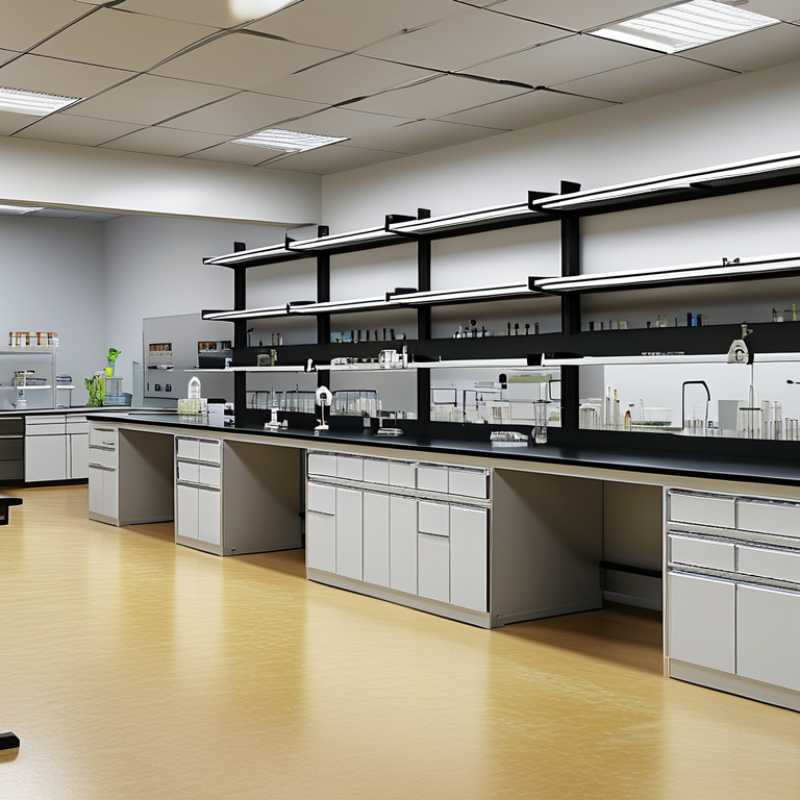
Best Chemical Resistant Lab Bench Materials for Global Buyers?

Overview of Chemical Resistance in Lab Bench Materials

Choosing the right materials for lab benches is crucial for chemical resistance. Various materials offer different levels of durability and protection against harsh substances. For instance, epoxy resin surfaces are popular due to their excellent resistance to acids and solvents. They provide a hard, non-porous finish, making cleaning easier.

Another option is stainless steel, known for its strength and corrosive resistance. When properly maintained, it can last for years. However, scratches can compromise its protective layer, exposing it to chemicals. Users must balance aesthetics with functionality. Some materials may look appealing but lack the necessary durability.

It's also important to consider the specific chemicals used in the lab. Not all materials resist every chemical equally. Ethylene propylene diene monomer (EPDM) rubber offers good resistance to various solvents. Yet, it may not withstand high temperatures well. Identifying a material that aligns with the lab's activities requires careful thought and evaluation. Misjudgments can lead to costly damages and safety risks.

Common Chemical Resistant Materials for Laboratory Benches

When selecting materials for laboratory benches, chemical resistance is a primary factor. For instance, epoxy resin is highly favored for its durability. In fact, reports indicate that epoxy can withstand a wide range of acids, bases, and solvents. Its smooth surface also helps in easy cleaning, making it ideal in labs where spills are common.


Another popular choice is phenolic resin. Its construction allows it to resist high temperatures and harsh chemicals effectively. Studies show that phenolic surfaces endure frequent exposure to corrosive agents without degrading. This material is particularly suitable for environments in pharmaceuticals and chemicals where high performance is critical.


Additionally, stainless steel is a classic option due to its inherent resistance to a variety of chemicals. Despite its strength, there are reports that indicate it may corrode under certain conditions. Thus, a careful evaluation of its compatibility with specific substances is crucial. A periodic review of bench materials can help sustain optimal performance, advising lab managers to regularly assess the integrity of their chosen surfaces.

Comparison of Performance: Wood, Laminate, Epoxy, and Stainless Steel

When choosing materials for lab benches, chemical resistance is crucial. Each material—wood, laminate, epoxy, and stainless steel—offers unique pros and cons.

Wood is often favored for its aesthetic appeal, yet it is less resilient to chemicals. Stains and spills can damage untreated surfaces over time. Laminate surfaces provide some protection and easy cleaning but may not withstand harsh chemicals.

Epoxy resin stands out for durability and resistance to a wide range of chemicals. Its seamless finish prevents cracks, where contaminants might hide. However, it's essential to consider long-term wear. Stainless steel excels in hygiene and can resist many corrosive substances. Nonetheless, it may scratch easily, leading to protective finish degradation.

Tips: Always perform compatibility tests with the specific chemicals used in your lab. A single incorrect choice can lead to costly repairs. Regular maintenance enhances longevity, ensuring your lab remains efficient. Evaluating the environment, usage frequency, and potential chemical exposure is essential for informed decisions.

Best Chemical Resistant Lab Bench Materials for Global Buyers

Material Chemical Resistance Durability Maintenance Cost (per sq ft)
Wood Low Moderate High $30 - $50
Laminate Moderate Low to Moderate Low $20 - $40
Epoxy High High Moderate $50 - $80
Stainless Steel Very High Very High Low $70 - $120

Key Factors to Consider When Choosing Lab Bench Materials

When selecting lab bench materials, several key factors come into play. Durability is paramount. Research indicates that over 60% of lab users report needing to replace their benches every five years due to wear and tear. A material’s resistance to chemicals directly influences its longevity. For example, epoxy resin exhibits high resistance to solvents and acids, making it a preferred choice in many labs.

Another significant consideration is the ease of cleaning. A material that absorbs contaminants can pose health risks. Reports show that approximately 30% of lab accidents stem from improper sanitation. Non-porous surfaces simplify cleaning protocols, reducing the risk of cross-contamination. The choice of color or texture may also affect cleanliness. Darker surfaces can make spills less visible, leading to potential oversight in maintenance.

Cost is often a deciding factor for buyers. While higher-quality materials may carry a steeper price tag, they often provide better long-term value. A study highlights that investing in quality lab benches can reduce overall maintenance costs by up to 25%. Buyers must analyze their specific needs. Balancing initial investment with durability, chemical resistance, and ease of maintenance is crucial. This careful assessment ensures that the chosen material stands the test of time and usage.

Best Chemical Resistant Lab Bench Materials

This bar chart illustrates the chemical resistance ratings of various lab bench materials, ranging from epoxy resin to laminate. The ratings help global buyers select suitable materials for laboratory environments based on their resistance to chemicals.

Global Market Trends in Chemical Resistant Lab Furniture

The global market for chemical-resistant lab furniture is evolving rapidly. A recent analysis by MarketsandMarkets projects an annual growth rate of about 4.5% in this sector through 2025. This trend reflects a significant demand for durable lab surfaces that can withstand harsh chemicals. Notably, the rise in pharmaceutical and biotechnology industries drives this need for robust materials.

Laboratories require reliable surfaces to ensure safety and efficiency. Commonly used materials include epoxy resin and laminate finishes, offering excellent resistance to spills. According to a study from Research And Markets, these materials account for over 60% of the market share due to their reliability. However, the choice of materials often faces scrutiny. Not every material provides the same level of resistance, and manufacturers must ensure quality control.

Moreover, sustainability is becoming a vital consideration. Many labs are exploring eco-friendly materials that are also chemical resistant. This shift represents a challenge for manufacturers. Striking a balance between performance and environmental responsibility can be complex. As global buyers navigate these trends, ongoing innovation will be crucial to meet the diverse needs of laboratories.

FAQS

: What materials are commonly used for laboratory benches?

: Common materials include epoxy resin, phenolic resin, stainless steel, wood, and laminate.

Why is chemical resistance important in lab bench materials?

Chemical resistance prevents damage from spills and ensures safety in laboratory environments.

What is a key benefit of epoxy resin?

Epoxy resin is durable and can withstand a wide range of acids and solvents.

How does phenolic resin perform under harsh conditions?

Phenolic resin resists high temperatures and corrosive chemicals without degrading.

What is a drawback of using wood for lab benches?

Wood is less resilient to chemicals and can be easily damaged by stains.

How does stainless steel perform in labs?

Stainless steel is strong but may corrode under certain conditions. Regular assessments are needed.

What maintenance tips are advisable for lab benches?

Conduct compatibility tests and perform regular maintenance to prolong their lifespan.

What market trend is observed in chemical-resistant lab furniture?

The market is growing steadily, driven by demand in pharmaceuticals and biotechnology industries.

Why is sustainability important in lab furniture choices?

Many labs seek eco-friendly, chemical-resistant materials to balance performance and environmental impact.

What challenges do manufacturers face in producing lab furniture?

They must ensure quality control and innovate while balancing performance and sustainability.

Conclusion

When evaluating the best material for chemical-resistant lab benches, it's essential to understand the chemical resistance properties of various materials commonly used in laboratory settings. The overview of chemical resistance discusses how different materials perform under various chemical exposures. Commonly used materials include wood, laminate, epoxy, and stainless steel, each offering unique advantages and limitations when it comes to durability and chemical resistance.

In comparison, epoxy and stainless steel tend to offer superior resistance against a wide range of chemicals while providing necessary durability for rigorous laboratory use. Key factors to consider when selecting lab bench materials include the specific chemicals being used, the required durability, and maintenance needs. Furthermore, global market trends indicate an increasing demand for innovative and resilient lab furniture solutions, reinforcing the continuous evolution in the landscape of chemical-resistant lab benches. Ultimately, the question remains: what is the best material for chemical-resistant lab benches—this will largely depend on the specific demands of the laboratory environment.

Henry

Henry

Henry is a dedicated marketing professional with a profound expertise in the company's offerings. With years of experience in the industry, he possesses an impressive understanding of the market dynamics and consumer behaviors that drive success. Henry is committed to sharing his insights through......