2026 Best Hotel Furniture Fire Safety Guide?

Time:2026-09-10 Author:Aria
0%

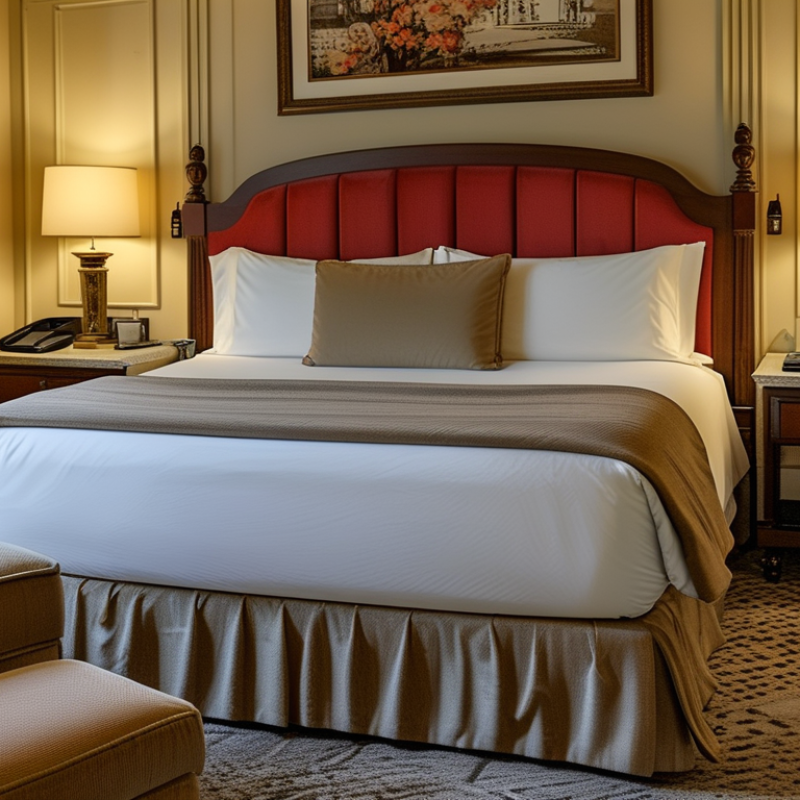
The 2026 Best Hotel Furniture Fire Safety Guide examines safer choices for guest rooms, suites, lobbies, and dining areas. Hotel furniture is not merely decorative. A padded headboard, blackout curtain, or loose bedside chair can affect fire growth, smoke movement, and evacuation time.

This guide explains how to meet fire safety regulations for hotel furniture through practical selection and maintenance. It considers flame-retardant upholstery, compliant foam, fire-resistant finishes, mattress specifications, and furniture placement. Requirements may differ by country, state, building type, and hotel classification. Local authorities and qualified fire-safety professionals should confirm the applicable rules. A supplier’s certificate is useful, but it should not replace independent verification.

Details matter. Inspectors may review test reports, product labels, installation records, and maintenance schedules. A torn sofa seam can expose filling materials. A blocked corridor can turn compliant furniture into a serious hazard. Staff should record inspection dates and remove damaged items promptly.

Small steps matter.

The guide also discusses recognized testing methods, supplier documentation, and responsible purchasing decisions. It avoids assuming that one material suits every hotel. Some “fire-safe” claims may be incomplete, outdated, or poorly explained. That weakness deserves attention. Reliable planning combines documented performance, professional advice, staff training, and regular review. Hotel owners and procurement teams can then make decisions that protect guests without sacrificing comfort, appearance, or operational practicality.
2026 Best Hotel Furniture Fire Safety Guide?

Hotel Furniture Fire Safety Standards and Risk Classification

2026 Best Hotel Furniture Fire Safety Guide

Hotel furniture risk classification should begin with ignition potential, not appearance. Upholstered chairs, sofas, mattresses, curtains, and foam panels demand different controls. A practical audit should record fabric type, filling material, frame construction, electrical proximity, and room location. Furniture beside a bedside lamp carries greater exposure than a wooden lobby table. Keep it simple. Use low, medium, and high-risk categories.

High-risk items usually contain exposed foam, loose covers, or combustible materials near heat sources. They should meet recognized upholstery tests, such as EN 1021-1 and EN 1021-2, where applicable. Surface materials may also require testing under ASTM E84 or equivalent local standards. NFPA 101, Life Safety Code, emphasizes furnishings, interior finishes, escape routes, and ignition control in lodging facilities. Requirements differ by jurisdiction, so one certificate cannot replace a complete compliance review.

NFPA’s Hotel and Motel Fires report recorded an estimated 3,520 hotel fires annually in the United States during 2014–2016. These incidents caused approximately nine deaths, 120 injuries, and 84 million dollars in annual property damage. The figures are older, but the warning remains useful. Inspectors should check cigarette burns, damaged seams, blocked exits, and unapproved replacement cushions. Fire-retardant treatment is not permanent. Cleaning chemicals, abrasion, and alterations can reduce performance. A weakness in many hotel programs is overreliance on paperwork. Real rooms are messier than test rooms. Furniture inventories should be reviewed at least annually, after renovation, and whenever suppliers change materials.

2026 Best Hotel Furniture Fire Safety Guide

Hotel Furniture Fire Safety Standards and Risk Classification

This chart presents the European reaction-to-fire classification sequence from A1 to F. A1 represents the highest reaction-to-fire performance and F the lowest. The Euroclass system is mainly used for construction products and interior materials; upholstered hotel furniture should also be assessed with applicable furniture tests such as EN 1021-1 (smouldering cigarette) and EN 1021-2 (match-flame ignition). Local building and fire regulations should always be confirmed before procurement or installation.

Fire-Resistant Materials for Beds, Sofas, and Upholstered Furniture

2026 Best Hotel Furniture Fire Safety Guide?

Fire-resistant materials matter most where guests sleep, sit, and charge devices. NFPA reports that mattresses and bedding were involved in about 12,900 U.S. home fires annually from 2016 to 2020. These fires caused roughly 350 civilian deaths each year. Upholstered furniture also created serious risks, especially when ignition reached foam interiors.

For hotel beds, select mattresses with tested fire barriers, tightly woven covers, and low-smoke components. Wool, inherently flame-resistant polyester, and certified barrier fabrics can reduce flame spread. However, no fabric works alone. The mattress, ticking, foam, seams, and foundation must pass full-assembly testing. CPSC mattress standards, including 16 CFR Parts 1632 and 1633, provide useful benchmarks for procurement teams. Regional requirements may still differ.

Sofas and lounge chairs need equal attention. Use fire-blocking interliners beneath upholstery, tested foam, and secure seam construction. NFPA data indicates upholstered furniture fires can cause hundreds of deaths annually in the United States. That figure should influence room design, not just purchasing. During inspections, check torn covers, exposed foam, loose cushions, and replacement fabrics. Small damage can change performance. A practical weakness remains: some suppliers provide fabric test results, but not complete furniture results. Hotel teams should request independent laboratory reports, maintenance records, and batch traceability. Material labels alone are not enough.

2026 Best Hotel Furniture Fire Safety Guide? - Fire-Resistant Materials for Beds, Sofas, and Upholstered Furniture

Furniture Category Primary Fire Risk Recommended Material Approach Relevant Fire Test or Regulation Practical Safety Measures
Mattresses and Bed Bases Smoldering cigarettes, open flames, bedding ignition, and heat accumulation around foam. Use tested mattress components, tightly fitted covers, fire-resistant ticking, and foam systems evaluated as a complete assembly. Avoid exposed combustible voids beneath upholstered bases. United States: 16 CFR Part 1632 for cigarette-smolder resistance and 16 CFR Part 1633 for open-flame resistance of mattresses and mattress sets. Keep bedding away from heaters and lamps; prohibit smoking in rooms; inspect seams, covers, and mattress damage during housekeeping checks.
Upholstered Headboards Ignition from smoking materials, electrical devices, wall fixtures, or combustible wall finishes. Select upholstery fabric, filling, barrier layer, and backing that have been tested together. Mineral or glass-fiber barrier fabrics may be used where permitted by the specification and local rules. EN 1021-1 and EN 1021-2 are commonly used for cigarette and match-flame ignition assessment of upholstered seating materials; local code requirements may be stricter. Maintain clearance from heat sources and electrical outlets; do not install damaged, loose, or heavily compressed upholstery.
Guestroom Sofas and Lounge Chairs Cigarette or lighter ignition, surface flame spread, smoldering cushions, and ignition of polyurethane foam. Use contract-grade upholstery with documented flame performance, compatible barrier fabrics, and cushions designed to limit rapid flame spread. Avoid relying on fabric treatment alone. EN 1021-1/2, California Technical Bulletin 117-2013, or other jurisdiction-specific upholstery requirements may apply. Test method selection depends on the market and furniture use. Keep cushions correctly fitted; replace torn covers or exposed foam; prohibit guest smoking where required; retain test reports for the complete construction.
Banquette Seating and Dining Booths Ignition from candles, portable cooking equipment, smoking materials, and concealed debris between cushions. Use low-flammability upholstery, resilient filling with documented performance, noncombustible or fire-protected internal panels, and sealed joints that reduce debris accumulation. Use the applicable commercial seating test standard, such as EN 1021-1/2 or an approved local equivalent. Restaurant and public-area requirements can differ from guestrooms. Keep open flames away from upholstery; clean gaps and undersides routinely; inspect areas near kitchens for grease contamination and heat damage.
Curtains, Drapery, and Upholstered Wall Panels Rapid vertical flame spread, ignition near lighting equipment, and fire traveling across connected textile surfaces. Specify inherently flame-resistant textiles where possible, or use treatments supported by durability and cleaning documentation. Provide noncombustible or fire-protected backing for wall panels. ASTM E84 is used for certain interior finish assessments in the United States; EN 13773 and local building-code classifications may apply to curtains and drapes in other markets. Keep textiles clear of luminaires and heaters; record cleaning methods; re-test or re-certify treated fabrics when the treatment may be removed by laundering.
Ottomans, Benches, and Footstools Small items can ignite unnoticed and may be positioned close to beds, curtains, or electrical appliances. Use the same tested upholstery system as the primary seating, including compatible fabric, foam, filling, thread, backing, and barrier layers. EN 1021-1/2, California Technical Bulletin 117-2013, or the applicable national commercial-furniture standard. Do not place directly against heaters or escape routes; inspect casters, seams, and underside dust covers; remove items with exposed filling.
Outdoor and Poolside Upholstered Furniture Barbecue embers, smoking materials, hot surfaces, and storage of cushions near ignition sources. Use outdoor-rated fabrics and fillings with documented flame performance, moisture resistance, and ultraviolet durability. Materials should be selected as a complete cushion system. Apply the relevant outdoor-furniture and commercial upholstery requirements in the installation jurisdiction; indoor mattress standards do not automatically apply. Maintain separation from grills and heaters; store cushions away from ignition sources; remove oil, sunscreen, and chemical residues that may increase ignition risk.
Wooden Furniture with Upholstered Components Combustible wood surfaces can transfer heat to foam, fabric, and concealed voids. Use sound, dry timber; avoid unprotected cavities near ignition sources; incorporate tested upholstery assemblies and, where required, fire-retardant interior finishes approved for the application. Building and interior-finish codes may regulate surface flame spread. Upholstered sections should be evaluated under the applicable seating-furniture test method. Keep electrical cables from being trapped beneath furniture; repair cracked finishes and loose joints; maintain clearance from radiators and portable heaters.

Note: Fire-performance requirements vary by country, occupancy type, installation location, and local fire code. A test result for one fabric, foam, or component does not automatically certify the complete furniture assembly.

Safe Furniture Design, Placement, and Installation in Hotel Rooms

2026 Best Hotel Furniture Fire Safety Guide?

Safe Furniture Design, Placement, and Installation in Hotel Rooms

Hotel furniture should support safe movement, not quietly create obstacles. Choose bed frames, desks, and wardrobes with stable structures and limited combustible surface materials. Upholstery should resist ignition and produce less smoke when tested by qualified laboratories.

Keep exits clear. Maintain a practical walking path from the bed to the room door. Do not place stools, luggage benches, or decorative cabinets beside emergency routes. A small table near a curtain can become a serious hazard if heat, fabric, and electrical equipment meet.

Design details matter. Rounded edges reduce injuries during hurried evacuation, while secure drawers prevent loose items from blocking pathways. Keep furniture away from heaters, lamps, sockets, and cooking appliances. Check cable routes behind desks, because crushed or overheated cables may create hidden risks.

04

Installation requires more than tightening screws. Workers should anchor tall wardrobes and headboards to suitable wall structures. They should also verify ventilation gaps around electrical equipment. In hotel inspections, a few millimeters of clearance can be overlooked. That mistake is worth correcting.

Measure twice. Install once.

Room layouts should be reviewed with housekeeping and maintenance staff. They understand where carts, cleaning tools, and temporary supplies actually move. No layout is perfect. Guest behavior changes, furniture shifts, and safety labels may fade. Regular inspections should record these weaknesses and fix them before they become routine.

Fire Testing, Certification, and Compliance Documentation

2026 Best Hotel Furniture Fire Safety Guide

Fire safety begins with the furniture’s materials, construction, and intended hotel location. An upholstered chair should be assessed as a complete item, not fabric alone. Testing may examine ignition resistance, flame spread, heat release, smoke, and burning behavior. Requirements differ by country, building type, and room use. Confirm the applicable standard with a qualified fire consultant or local authority.

A credible test report should identify the exact product, foam, textile, fillings, dimensions, and construction method. It should show the laboratory’s accreditation, test date, method, results, and limitations. Keep matching samples, purchase records, technical drawings, and clear product photographs. Small changes matter. A thicker cushion or different adhesive can change performance. Certification is not a permanent shield when materials change.

During hotel inspections, documentation should be easy to trace from delivered furniture to tested samples. Record batch numbers, supplier declarations, maintenance instructions, and installation dates. Store documents in a controlled file with revision dates and responsible contacts. A neat certificate folder can still hide missing evidence. That gap deserves attention. Reviewers should compare invoices, labels, and physical furniture against the test report. If inconsistencies appear, pause approval and request independent clarification before installation.

Inspection, Maintenance, and Replacement of Hotel Furniture

Hotel Furniture Fire Safety Guide: Inspection, Maintenance, and Replacement

Hotel furniture needs more than a clean appearance. During inspections, check upholstery seams, hidden undersides, wooden joints, and fire-safety labels. Look for cigarette burns, exposed foam, loose fabric, cracked frames, and blocked exits. A chair may appear usable while its inner padding has deteriorated. That hidden damage matters.

Use a documented inspection schedule based on occupancy, furniture age, manufacturer instructions, and local fire-safety requirements. Record room numbers, defects, photographs, and corrective actions. Cleaning should remove dust without saturating upholstery. Damp materials can develop odors, mold, or weakened fibers. Avoid unapproved coatings or improvised fabric covers, because they may change fire performance. Replacement becomes necessary when damage cannot be repaired reliably, treatment records are missing, or materials show repeated ignition-related wear. I have seen teams delay replacement because furniture still looked attractive. That decision needs reflection.

Tips: Inspect high-use seating more often. Check furniture after guest complaints or small burn marks. Keep treatment certificates and repair invoices together. Train housekeeping staff to report exposed foam immediately. Never place damaged furniture in storage and forget it. A forgotten defect remains a safety risk.

FAQS

: Which materials are suitable for fire-resistant hotel mattresses?

: Choose tested fire barriers, tightly woven covers, wool, or inherently flame-resistant polyester. No fabric works alone. The mattress, foam, seams, ticking, and foundation need full-assembly testing.

Are fire-resistant fabrics enough for sofas and lounge chairs?

No. Use tested foam, fire-blocking interliners, and secure seam construction. A torn cover or exposed foam can change the furniture’s performance. Fabric results alone are incomplete evidence.

What should a furniture fire-test report include?

It should identify the exact foam, textile, filling, dimensions, and construction method. Check the laboratory, test date, method, results, and limitations. Keep product photos and matching samples.

Can a certificate remain valid after furniture changes?

Not always. Thicker cushions, new adhesives, or replacement fabrics may alter fire behavior. Certification is not a permanent shield. Review every material change carefully.

How should hotel teams trace delivered furniture?

Match batch numbers, labels, invoices, photographs, and physical furniture to the test report. Record installation dates and supplier declarations. A neat certificate folder may still hide missing evidence.

What defects require immediate attention during inspections?

Inspect exposed foam, cigarette burns, loose fabric, damaged seams, cracked frames, and blocked exits. Check hidden undersides too. Small damage can matter.

How often should upholstered furniture be inspected?

Set schedules according to occupancy, furniture age, usage, maintenance history, and local requirements. Inspect high-use seating more frequently. Check furniture after complaints or burn marks.

When should damaged hotel furniture be replaced?

Replace it when reliable repair is impossible, treatment records are missing, or ignition-related wear keeps returning. Do not store damaged furniture and forget it. That risk remains.

Conclusion

This 2026 guide explains how hotel operators can reduce fire risks through appropriate furniture standards, risk classification, and informed material selection. It covers fire-resistant options for beds, sofas, mattresses, curtains, and upholstered furnishings, emphasizing low-flammability fabrics, suitable internal fillings, durable protective treatments, and designs that limit flame spread and smoke production. The guide also discusses how room layout, clearance from heat sources, unobstructed exits, stable installation, and secure electrical connections contribute to safer guest environments.

It further outlines how to meet fire safety regulations for hotel furniture by organizing product testing, certification, supplier records, and compliance documentation. Regular inspections should identify damaged coverings, weakened frames, exposed filling, overheating risks, and unauthorized modifications. Cleaning, repair, and replacement schedules should be based on furniture condition, usage intensity, and documented safety performance. By combining compliant materials, responsible design, professional installation, accurate records, and continuous maintenance, hotels can strengthen fire prevention practices while maintaining comfort, functionality, and long-term operational reliability.

Aria

Aria

Aria is a dedicated marketing professional with a deep passion for innovative strategies and a keen understanding of our company's product offerings. With a wealth of experience in the industry, Aria excels at crafting engaging content that highlights the unique features and benefits of our......