China Top 10 Tips for Sustainable Office Furniture Procurement?

Time:2026-07-12 Author:Mason
0%

The procurement of office furniture significantly impacts environmental sustainability. In fact, the furniture industry accounts for approximately 8-9% of global carbon emissions. As companies become more aware of their environmental footprints, understanding how to implement a sustainable procurement policy for office furniture is crucial. Sustainable sourcing can reduce waste, optimize resources, and enhance employee well-being.

Research indicates that eco-friendly furniture can lower energy consumption. A study by the Global Sustainability Forum revealed that organizations adopting sustainable practices reduce operational costs by up to 15%. However, many businesses still struggle with effective implementation. They often lack guidance on selecting sustainable materials or evaluating suppliers based on sustainability criteria.

Choosing sustainable office furniture requires careful consideration. Companies must assess the lifecycle of materials, from sourcing to disposal. Transparency in the supply chain is essential for making informed decisions. Many firms face challenges such as limited options, higher initial costs, or ambiguous sustainability claims. Addressing these issues is vital for achieving meaningful change in office environments.
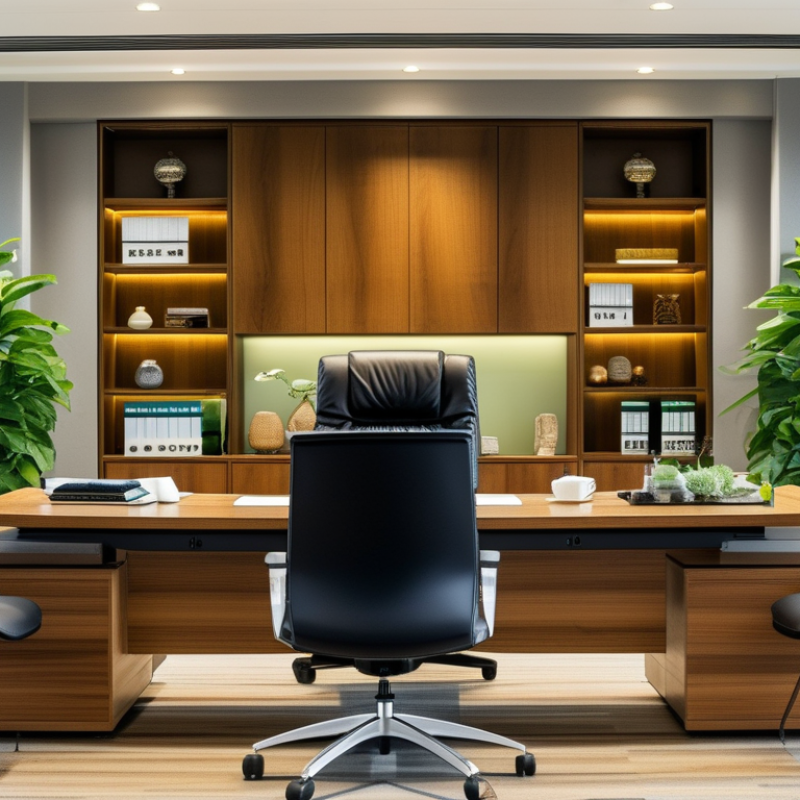
China Top 10 Tips for Sustainable Office Furniture Procurement?

Understanding Sustainable Office Furniture Procurement

The concept of sustainable office furniture procurement is gaining momentum. Understanding this process is vital for businesses aiming to reduce their environmental impact. Sustainable procurement involves selecting furniture made from eco-friendly materials, minimizing waste, and ensuring products are ethically sourced. It encourages companies to think critically about the lifecycle of their furniture.

One key aspect is to prioritize materials that are renewable or recycled. Consideration of local sourcing can also reduce carbon footprints. Furthermore, companies should evaluate the durability of furniture. This reflects on the overall investment. Cheap furniture may seem appealing, but it often leads to higher disposal rates and additional waste. Reflecting on this can encourage better choices.

Office spaces can also benefit from multifunctional furniture. This not only saves space but also aligns with sustainability goals. Companies should regularly assess their procurement processes. There may be hidden practices that undermine sustainability efforts. By continuously improving these practices, businesses can contribute positively to the environment, while creating a more responsible workplace culture.

China Top 10 Tips for Sustainable Office Furniture Procurement

Tip No. Sustainability Aspect Recommended Practices
1 Material Selection Choose furniture made from recycled or sustainably sourced materials.
2 Durability Invest in high-quality, durable furniture to reduce waste over time.
3 Production Practices Choose suppliers that use eco-friendly manufacturing processes.
4 Certifications Look for certifications such as GREENGUARD or FSC.
5 Lifecycle Assessment Consider the environmental impact throughout the product lifecycle.
6 Reusability Select furniture that can be easily reused or repurposed.
7 Modular Designs Choose modular designs for adaptability and future needs.
8 End-of-Life Planning Consider the disposal or recycling options for furniture.
9 Local Sourcing Purchase locally to reduce transportation emissions.
10 Employee Engagement Involve employees in the procurement process for better acceptance.

Assessing Material Sustainability and Certifications

When procuring office furniture, assessing material sustainability is crucial. It's essential to look for certifications that indicate eco-friendly materials. For instance, materials with FSC certification guarantee responsible sourcing. This ensures that wood comes from well-managed forests. Additionally, products with GREENGUARD certification have low emissions, contributing to healthier indoor air quality.

Take time to review the life cycle of furniture pieces. Evaluate the entire journey—from raw material extraction to disposal. Choose options designed for longevity and recyclability. Not all materials perform equally. Sometimes, cheaper alternatives may harm the environment more in the long run. Investigating the transparency of a manufacturer’s supply chain is vital.

Reflect on the balance between cost and sustainability. While green choices often come with a higher price tag, the benefits can outweigh initial expenses. Investing in sustainable office furniture can reduce overall costs due to durability and energy savings. However, it's important to continuously seek improvements in procurement practices. The path to sustainability is ongoing and requires commitment.

Evaluating Supplier Practices for Environmental Impact

When evaluating supplier practices for environmental impact in office furniture procurement, it’s crucial to focus on their sourcing methods. Look for suppliers who prioritize sustainable materials, such as recycled products or responsibly sourced wood. This reflects a commitment to reducing deforestation and waste. Transparency in the supply chain is key; suppliers should openly share where and how their materials are sourced. Questions about air quality certifications can reveal their commitment to healthier indoor environments.

Another important factor is the manufacturing process. Engage suppliers about their energy use and waste management strategies. Are they minimizing emissions during production? How do they handle excess materials? Suppliers that implement eco-friendly production techniques demonstrate a proactive approach to sustainability.

However, it’s not always perfect. Some suppliers might have green certifications but lack in other areas. Regular audits can help uncover these inconsistencies. Open conversations can reveal their long-term sustainability goals and efforts for improvement. Establishing a clear dialogue with suppliers encourages accountability and invites better practices in the industry. This ongoing assessment will support a more sustainable office environment.

Balancing Cost-Effectiveness and Sustainability Goals

In today's world, balancing cost-effectiveness with sustainability is a challenge for many organizations. Sustainable office furniture procurement requires a thoughtful approach. Seek furniture made from recyclable materials. Look for products that have certifications indicating environmentally friendly practices. Such furniture might be slightly more expensive, but the long-term savings in maintenance and replacement can offset this expense.

Consider the lifecycle of the furniture. Inquire about the manufacturing processes and how waste is managed. A focus on durability can lead to fewer replacements over time. Also, think about the operational costs related to energy use. Investing in efficient designs can lower energy bills down the line.

Be aware that sustainability also involves the supply chain. Look for companies committed to ethical sourcing. While cheaper alternatives might tempt you, the hidden costs can outweigh the apparent savings. Reflection on these aspects helps create an office environment that is not only budget-friendly but also sustainably responsible.

Incorporating Life Cycle Analysis in Furniture Selection

Incorporating life cycle analysis (LCA) is crucial for sustainable office furniture procurement. LCA evaluates environmental impacts from production to disposal. This approach helps organizations make informed decisions based on sustainability.

Consider the materials used in furniture. Some materials have a higher environmental impact than others. For instance, hardwood can take decades to grow. In contrast, bamboo grows much faster and stores carbon efficiently. Assessing the source of these materials is essential. Avoiding non-renewable resources can significantly lower a company's carbon footprint.

Transport is another key factor. The distance furniture travels affects its environmental impact. Local sourcing reduces transportation emissions. Evaluate not only the product but also the logistics involved. Rethink your procurement processes. You may discover that cheaper options are not always the most sustainable. It's a continuous journey toward improvement.

Top 10 Tips for Sustainable Office Furniture Procurement

FAQS

: Why is material sustainability important when procuring office furniture?

: Material sustainability ensures eco-friendly choices. Eco-friendly materials support a healthier environment and indoor air quality.

What certifications should I look for in office furniture?

Look for certifications like FSC for responsible sourcing and GREENGUARD for low emissions. These indicate sustainable practices.

How should I evaluate the life cycle of office furniture?

Assess the journey from raw material extraction to disposal. Choose designs focused on durability and recyclability.

How do supplier practices impact sustainability in furniture procurement?

Suppliers should prioritize sustainable materials and transparent sourcing. This reduces deforestation and promotes eco-friendliness.

What manufacturing processes should suppliers follow for sustainability?

Suppliers should minimize emissions and handle waste efficiently. Eco-friendly production techniques indicate their commitment to sustainability.

Can green certifications be misleading?

Yes, some suppliers may have certifications but lack in other areas. Regular audits help uncover these inconsistencies.

Why might greener choices be more expensive?

Sustainable options often have a higher upfront cost. However, they can lead to savings through durability and reduced energy costs.

How can I improve my procurement practices for more sustainability?

Continuously seek improvements and engage with suppliers. Open dialogue encourages better practices and accountability.

What role does life cycle analysis play in furniture selection?

LCA evaluates environmental impacts from production to disposal. It helps in making informed decisions based on sustainability.

How can transportation affect the sustainability of office furniture?

The distance furniture travels impacts emissions. Local sourcing reduces transportation-related environmental footprints.

Conclusion

When considering how to implement a sustainable procurement policy for office furniture, it is essential to understand various factors that contribute to sustainability. This includes assessing the sustainability of materials used in furniture production, as well as the certifications that ensure these materials meet environmental standards. Additionally, evaluating supplier practices for their environmental impact plays a critical role in forming partnerships that align with sustainability goals.

Balancing cost-effectiveness with sustainability objectives is crucial for maintaining a practical procurement strategy. Incorporating life cycle analysis in the selection process allows organizations to understand the long-term environmental implications of their furniture choices. By following these guidelines, businesses can make informed decisions that contribute to a more sustainable office environment while also achieving their financial goals.

Mason

Mason

Mason is a seasoned marketing professional with a deep expertise in the company's offerings and a passion for driving brand awareness. With a strong background in digital marketing strategies, he has an innate ability to connect with diverse audiences and effectively communicate product benefits.......