The shift towards sustainability is transforming the education sector. Schools are increasingly recognizing the value of recycled plastic in furniture production. According to a recent report by the American Recycling Coalition, using recycled materials can significantly reduce environmental impact. The data shows a potential decline in plastic waste by up to 30% when utilized in school furniture.
Dr. Linda Thompson, a renowned environmental scientist, emphasizes the benefits of this approach. She states, “What are the benefits of using recycled plastic in school furniture? These products not only last longer but also reduce carbon footprints.” Her insight highlights the importance of durability and eco-friendliness.
Moreover, incorporating recycled materials fosters an educational environment that promotes sustainability. Students engage with eco-friendly choices, learning the importance of recycling. However, challenges remain in sourcing high-quality recycled plastic. Schools must balance cost and sustainability while ensuring that the furniture meets safety standards. Striking this balance is crucial for future implementations.
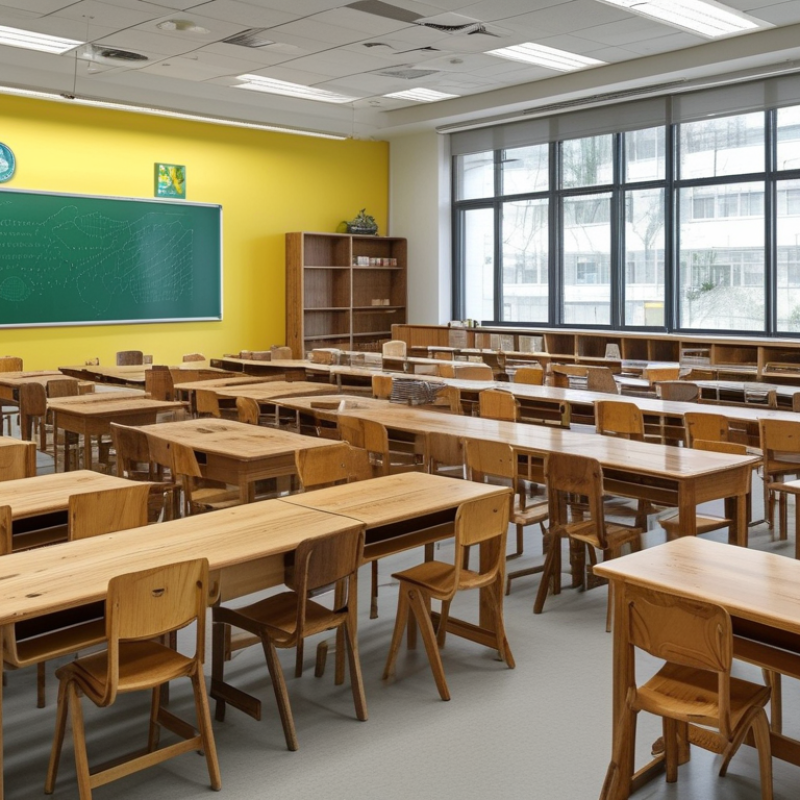
Benefits of Using Recycled Plastic in School Furniture
Using recycled plastic in school furniture brings many benefits. Firstly, it promotes sustainability. Schools can help reduce plastic waste and lower their carbon footprint. This action is vital as the world grapples with the plastic pollution crisis. By utilizing recycled materials, schools contribute to environmental preservation.
Additionally, furniture made from recycled plastic is durable and low maintenance. It can withstand wear and tear better than traditional materials. This quality means fewer replacements are needed, saving money over time. It also offers a range of colors and designs, making spaces more engaging for students. However, not all recycled plastics are equal in quality.
Implementing this material can also reveal challenges. Educators must ensure that the furniture meets safety standards. Some recycled plastic items may not be suitable for all settings. This aspect requires a careful selection process. It’s crucial for schools to evaluate their choices thoroughly. Balancing aesthetics, functionality, and environmental benefits is essential for effective decision-making.
Types of Recycled Plastics Suitable for Educational Furniture
Recycled plastics have emerged as an innovative choice for educational furniture. Various types of recycled plastics are suitable for this purpose. One popular option is High-Density Polyethylene (HDPE). HDPE is strong and resistant to weather, making it ideal for both indoor and outdoor use. This material can withstand heavy use, which is common in schools.
Another good option is Polypropylene (PP), which is lightweight yet durable. PP is often used for chairs and tables that require ease of handling. Its versatility allows for creative designs, enhancing the aesthetic appeal of school environments. Moreover, both HDPE and PP can be produced in bright colors, engaging students’ imaginations.
These recycled plastics are not perfect, though. Some may contain traces of contaminants, which require careful sourcing. Additionally, the production process for recycled materials may not always be environmentally friendly. Schools must consider these factors when selecting furniture. Addressing these challenges requires ongoing research and collaboration with material experts.
Environmental Impact of Using Recycled Plastic in Schools
Recycled plastic is changing the landscape of school furniture. By incorporating materials that would otherwise end up in landfills, schools can reduce waste. This shift not only saves resources but also educates students about sustainability. Using recycled plastic contributes to a cleaner environment and instills eco-friendly habits in young minds.
Research indicates that schools using recycled materials can cut down on their carbon footprint significantly. For example, a classroom furnished with recycled plastic chairs can prevent tons of plastic from entering waste streams. However, some may question the durability of recycled products. It's essential to choose high-quality items to ensure they last years under daily use. Understanding these imperfections is crucial for making informed decisions.
Moreover, the aesthetic appeal of recycled plastic furniture can enhance learning spaces. Bright colors and modern designs attract students' attention. However, schools must consider potential fading and wear over time. Striking a balance between sustainability and practicality is an ongoing challenge for many educational institutions.
Durability and Maintenance of Recycled Plastic Furniture
Recycled plastic furniture offers significant durability and low maintenance, making it a practical choice for school environments. Studies indicate that recycled plastic can withstand harsh weather conditions, with some materials showing resistance to UV rays and extreme temperatures. This durability is crucial for outdoor school areas, where traditional materials may deteriorate quickly. In fact, research from the University of Cambridge suggests that recycled plastic products can last up to 50 years with minimal decay.
Maintenance is straightforward, requiring only occasional cleaning with soap and water. Unlike wood, recycled plastic does not splinter, crack, or warp, which translates to safer environments for students. A report by the American Chemistry Council notes that facilities using recycled plastic furniture frequently experience reduced maintenance costs. These savings can be redirected toward educational programs or improving resources for students.
Despite these advantages, some schools hesitate due to perceptions about recycled plastic's appearance. While modern designs can mimic natural materials, initial skepticism may occur. Reflecting on these concerns, it’s important to educate stakeholders about the functionality and aesthetic options available today, empowering them to make informed decisions. Emphasizing the long-term benefits can shift mindsets towards embracing recycled plastic furniture in educational settings.
Cost-Effectiveness of Recycled Plastic in Educational Settings
The use of recycled plastic in school furniture presents significant cost-effectiveness in educational settings. Reports indicate that schools can save up to 30% on furniture costs when opting for recycled materials. This reduces upfront spending while promoting sustainability. Over time, these furnishings require less maintenance, contributing to further savings. Schools can allocate resources to other essential areas, like technology and educational programs.
It’s essential to consider the longevity of recycled plastic furniture. Research shows that these products can last over 25 years without degrading. This durability means fewer replacements and less waste. Additionally, it contributes to a healthier learning environment, as recycled materials can help reduce chemical emissions.
Tip: When selecting furniture, evaluate the long-term savings rather than just the initial cost. Assess how recycled plastic can minimize a school’s carbon footprint. Always check for certifications that validate the sustainability of the materials. Balancing cost and environmental impact can lead to better decisions.
Benefits and Cost-Effectiveness of Recycled Plastic in School Furniture
FAQS
: Using recycled plastic helps reduce plastic waste and lowers the carbon footprint, contributing to environmental preservation.
Recycled plastic can last up to 50 years with minimal decay, making it a strong option for school settings.
It only needs occasional cleaning with soap and water, making it low maintenance compared to traditional materials.
Yes, not all recycled plastics are suitable for every setting, and safety standards must be thoroughly checked.
Schools may save up to 30% on furniture costs, and lower maintenance means further savings over time.
Some perceive recycled plastic as less appealing, but modern designs can mimic natural materials effectively.
They help reduce chemical emissions, creating a safer space for students over time.
No, long-term savings and environmental impact should also be carefully evaluated when choosing materials.
Conclusion
The article explores the various advantages of incorporating recycled plastic into school furniture, addressing the question of "what are the benefits of using recycled plastic in school furniture." One key benefit is its positive environmental impact, as it reduces waste and promotes sustainability in educational settings. Additionally, recycled plastic furniture is durable and low-maintenance, making it a practical choice for schools that experience high usage.
Furthermore, the article outlines the types of recycled plastics that are suitable for school furniture, emphasizing their resilience to wear and tear. From a financial perspective, utilizing recycled plastic can also be cost-effective, as it often requires less frequent replacement and maintenance compared to traditional materials. Overall, the use of recycled plastic in school furniture brings together ecological responsibility and economic advantages, making it an ideal solution for modern educational institutions.

 Layanaa Furniture