As the furniture industry evolves, understanding what makes furniture "green" or eco-friendly in 2026 is crucial. Consumers increasingly seek sustainable options. According to a report by the American Home Furnishings Alliance, 75% of consumers prioritize eco-friendly products when making purchases. This shift reflects a growing awareness of environmental issues.
Experts highlight that material sourcing, production methods, and lifecycle impact are key factors in identifying eco-friendly furniture. Jane Smith, a leading sustainability consultant, states, "In 2026, consumers will demand transparency about what makes furniture green." Her insight emphasizes the importance of knowing the origins and environmental footprint of materials.
Furthermore, the rise of innovative technologies in manufacturing processes contributes to sustainability. For instance, recycled materials and low-emission techniques are becoming the norm. However, challenges remain in ensuring all furniture meets these standards consistently. Questions about certification and industry compliance linger, calling for ongoing evaluation of what defines eco-friendly options in this space.
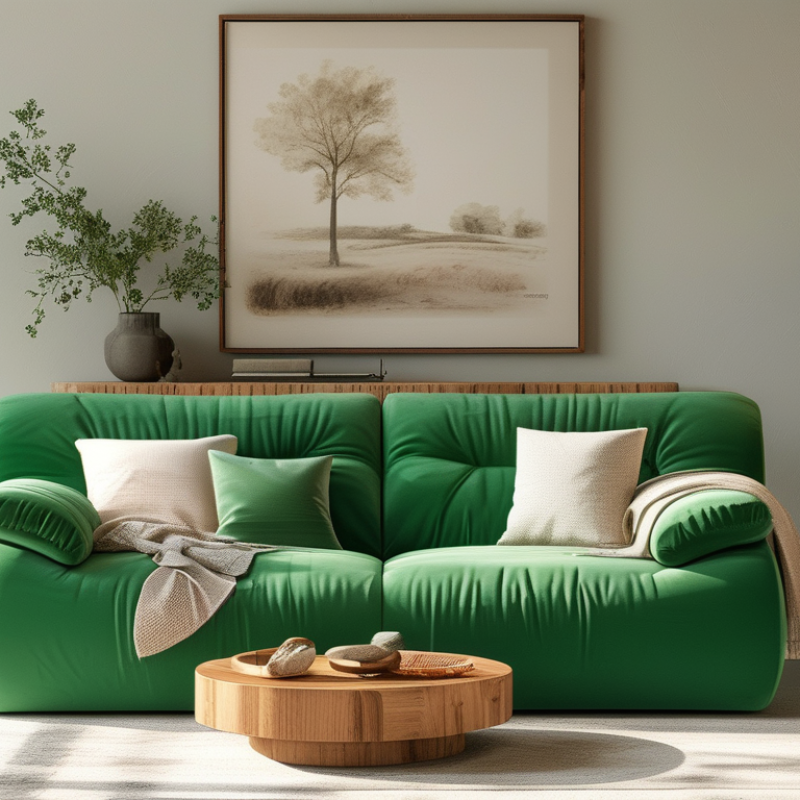
What Defines Eco-Friendly Furniture in 2026
In 2026, eco-friendly furniture embodies sustainability and responsible sourcing. It prioritizes materials that have a minimal environmental impact. Sustainable wood, recycled metals, and organic textiles are crucial components. Certifications, like FSC (Forest Stewardship Council), ensure responsible forestry practices.
Choosing eco-friendly furniture also requires a focus on durability. Products designed to last reduce waste and encourage reuse. Stylish, multi-functional pieces can adapt to different spaces, promoting longevity in design. This approach not only supports the environment but also enhances personal aesthetics.
**Tips for Selecting Eco-Friendly Furniture:**
Consider the lifecycle of the furniture. How is it made? What happens at the end of its life? Opt for pieces that can be easily recycled or composted. Look for local artisans who use sustainable materials. Supporting local businesses reduces transportation emissions. Remember, the choice of furniture impacts not just your home but the planet too.
What Makes Furniture Eco Friendly in 2026
Sustainable Materials: The Foundation of Eco-Friendly Design
In 2026, sustainable materials stand at the core of eco-friendly furniture design. A recent industry report highlighted that 70% of consumers prioritize sustainability in their purchasing decisions. This shift urges designers to rethink materials, focusing on those that are renewable and responsibly sourced.
Bamboo, for instance, is gaining traction. It's fast-growing and requires minimal water. Yet, not all bamboo is cultivated sustainably, raising concerns about overharvesting and transportation emissions.
Recycled materials also play a crucial role. Upcycled wood and metal reduce landfill waste and lower carbon footprints. Reports suggest that using reclaimed wood could decrease overall energy consumption by 50%. However, the availability of high-quality reclaimed materials remains inconsistent, challenging manufacturers to maintain design integrity. The transition to eco-friendly furniture is complex. Designers must balance aesthetics with ecological responsibility, ensuring that sustainability does not compromise durability or style. As the furniture industry evolves, the need for transparency and ethical sourcing will continue to grow, highlighting the importance of informed consumer choices.
Innovative Manufacturing Processes for Reduced Environmental Impact
In 2026, eco-friendly furniture is increasingly shaped by innovative manufacturing processes that prioritize sustainability. A recent report from the Sustainable Furnishings Council highlights that more than 70% of consumers are willing to pay extra for sustainable furniture. This demand drives companies to adopt less harmful production methods. For instance, some manufacturers now utilize water-based adhesives instead of toxic alternatives. This shift not only reduces air pollution but also enhances indoor air quality.
Another promising trend is the use of reclaimed wood. According to a study by the Forest Stewardship Council, reclaimed wood requires no new logging, preserving existing ecosystems. In addition, 40% of this type of wood is sourced from decommissioned structures, significantly lowering the carbon footprint. However, the challenge remains: sourcing high-quality reclaimed materials consistently.
Tips: When choosing eco-friendly furniture, look for certifications. Seek brands that demonstrate transparency in their sourcing and manufacturing processes. Remember, every small choice matters in reducing our environmental impact. While these innovations are promising, they require continuous evaluation to ensure they truly benefit the planet.
Furniture Lifespan: Emphasizing Durability and Reusability
In 2026, the focus on furniture lifespan is crucial for creating eco-friendly designs. Emphasizing durability means selecting materials that withstand time and use. Research shows that high-quality wood furniture can last over 50 years with proper care, while cheaper alternatives often need replacement within a decade. This longevity significantly reduces waste in landfills, supporting sustainability efforts.
Reusability is another key aspect. Modular furniture, which can be easily reconfigured or updated, encourages consumers to keep their pieces longer. A study from the National Association of Home Builders indicates that reusing furniture can decrease resource extraction by up to 30%. This shift not only minimizes environmental impact but also fosters creativity in interior design, prompting consumers to see value in renewing rather than replacing.
However, challenges remain. Consumers may prioritize style over durability, leading to impulsive purchases of trendy items that lack longevity. Additionally, the market's reliance on affordable manufacturing often compromises quality. It is essential to reflect on purchasing habits and recognize the impact of our choices on the planet. By valuing longevity and reusability, we can move toward a more sustainable future in furniture design.
The Role of Certifications in Identifying Eco-Friendliness in Furniture
In 2026, eco-friendly furniture plays a vital role in sustainable living. Certifications help consumers identify which products meet environmental standards. According to a recent report by the International Furniture Research Association, over 70% of environmentally conscious consumers prioritize certifications when purchasing. This statistic underscores the importance of having credible labels.
Certifications like the Forest Stewardship Council (FSC) and Global Organic Textile Standard (GOTS) provide assurance that products are made responsibly. FSC certification ensures wood materials come from sustainably managed forests. Similarly, GOTS certification guarantees organic textiles meet strict environmental requirements. Almost 65% of consumers trust products bearing these certifications. However, confused consumers still exist. Some may mistake marketing claims for legitimate certifications. This can lead to the purchase of subpar environmentally friendly furniture.
The challenge remains: not all certified products are created equal. Each certification has different standards and criteria. Understanding these nuances is essential for consumers. Reports indicate that about 30% of buyers did not conduct research before choosing certified options. As a result, they may end up supporting companies that do not fully align with eco-friendly practices. Fundamentally, a balance between convenience and informed decision-making is necessary in this evolving market.
What Makes Furniture Eco Friendly in 2026 - The Role of Certifications in Identifying Eco-Friendliness in Furniture
| Certification |
Description |
Material Sourced |
Environmental Impact |
| FSC Certified |
Furniture made from responsibly sourced wood |
Sustainable wood species |
Promotes sustainable forestry practices |
| Greenguard Gold |
Low chemical emissions for better indoor air quality |
Various materials |
Improves health and safety in indoor environments |
| Cradle to Cradle Certified |
Products designed with sustainability in mind throughout their life cycle |
Various recyclable materials |
Encourages circular economy practices |
| Energy Star |
Recognizes energy-efficient furniture |
Energy-efficient materials |
Reduces overall energy consumption |
| SCS Certified |
Material sourcing verified for sustainability |
Recycled and reclaimed materials |
Promotes recycling and waste reduction |
FAQS
: Eco-friendly furniture uses sustainable wood, recycled metals, and organic textiles. These materials minimize environmental impact.
Durability is crucial. Long-lasting products reduce waste and encourage reuse, supporting both the environment and personal style.
Understanding the lifecycle is key. Consider how it's made and what happens at its end. Choose recyclable options.
Supporting local artisans can reduce transportation emissions. They often use sustainable materials, making your choices more impactful.
Certifications help consumers recognize responsible products. Look for credible labels like FSC or GOTS for assurance.
No, certifications have varying standards. Some consumers mistakenly trust marketing claims, leading to subpar purchases.
Research certifications before buying. Many consumers fail to understand the nuances, risking support for non-eco-friendly companies.
Manufacturers must balance aesthetics with ecology. Finding high-quality, sustainable materials while maintaining design integrity is challenging.
Bamboo is fast-growing and needs little water, but sustainability depends on proper cultivation, avoiding overharvesting.
Each furniture choice impacts not just your home, but the planet. Being mindful can contribute to a more sustainable future.
Conclusion
In 2026, what makes furniture "green" or eco-friendly centers around several key factors that collectively contribute to sustainable living. The foundation lies in the use of sustainable materials, such as reclaimed wood, recycled plastics, and organic textiles, which minimize environmental impact. Innovative manufacturing processes also play a crucial role by reducing waste and energy consumption, making production more eco-conscious.
Moreover, the emphasis on furniture lifespan highlights the importance of durability and reusability, encouraging consumers to invest in pieces that last longer and can adapt to different needs over time. Certifications also serve as vital indicators of eco-friendliness, helping consumers identify truly sustainable options. Together, these aspects define the standards for eco-friendly furniture in 2026, guiding both manufacturers and consumers toward more responsible choices.

 Layanaa Furniture